For appliance repair businesses, lead quality matters more than volume. A schedule filled with weak inquiries leads to wasted travel, unpaid estimates, and technicians handling calls that never become real jobs. The impact goes beyond lost revenue. Poor leads disrupt operations, reduce efficiency and affect team morale.
Low-quality and fake leads have increased as digital advertising expands and lead providers compete on price. High volume at a low cost often comes with low intent. If a homeowner is not ready to hire, cannot be reached or never requested service, the lead has little value.
Avoiding this problem requires a clear approach: choosing reliable lead sources, setting strict qualification criteria and measuring performance based on bookings and revenue, not just cost per lead.
What Makes a Lead Low-Quality?
Not every unconverted lead is a bad one. Some homeowners compare multiple companies before deciding. Others postpone repairs. The real issue is intent and accuracy.
Common signs of low-quality or fake appliance repair leads include:
- Incorrect or disconnected phone numbers
- Fake names or incomplete contact information
- Requests from outside your service area
- Duplicate leads sold to multiple companies
- Requests for services you do not offer
- Spam or automated form submissions
Why Low-Quality Leads Happen
Understanding the source of the problem helps prevent it.
Shared lead models are one of the biggest causes. When multiple companies receive the same inquiry, the homeowner is often price-shopping. Response speed becomes a race, and margins shrink.
Incentivized traffic can also create fake interest. Some advertising networks reward clicks or form submissions, encouraging users to submit requests without real intent.
Broad targeting is another issue. Ads shown to large, unqualified audiences generate curiosity clicks rather than serious service requests.
Automated form generation and bots add another layer of risk, especially on poorly moderated networks.
Choose Lead Sources That Prioritize Intent
The first step is selecting partners carefully.
Look for providers that:
- Offer exclusive leads, not shared ones
- Use call verification or recording
- Confirm service location before delivery
- Filter requests by appliance type and urgency
- Provide replacement or credit for invalid leads
Exclusive leads typically cost more, but conversion rates are significantly higher. When only one company receives the inquiry, the conversation starts with less competition and more trust.
Avoid platforms that focus only on low prices or promise unlimited volume. High volume with poor intent quickly becomes expensive.
Track Metrics Beyond Cost Per Lead
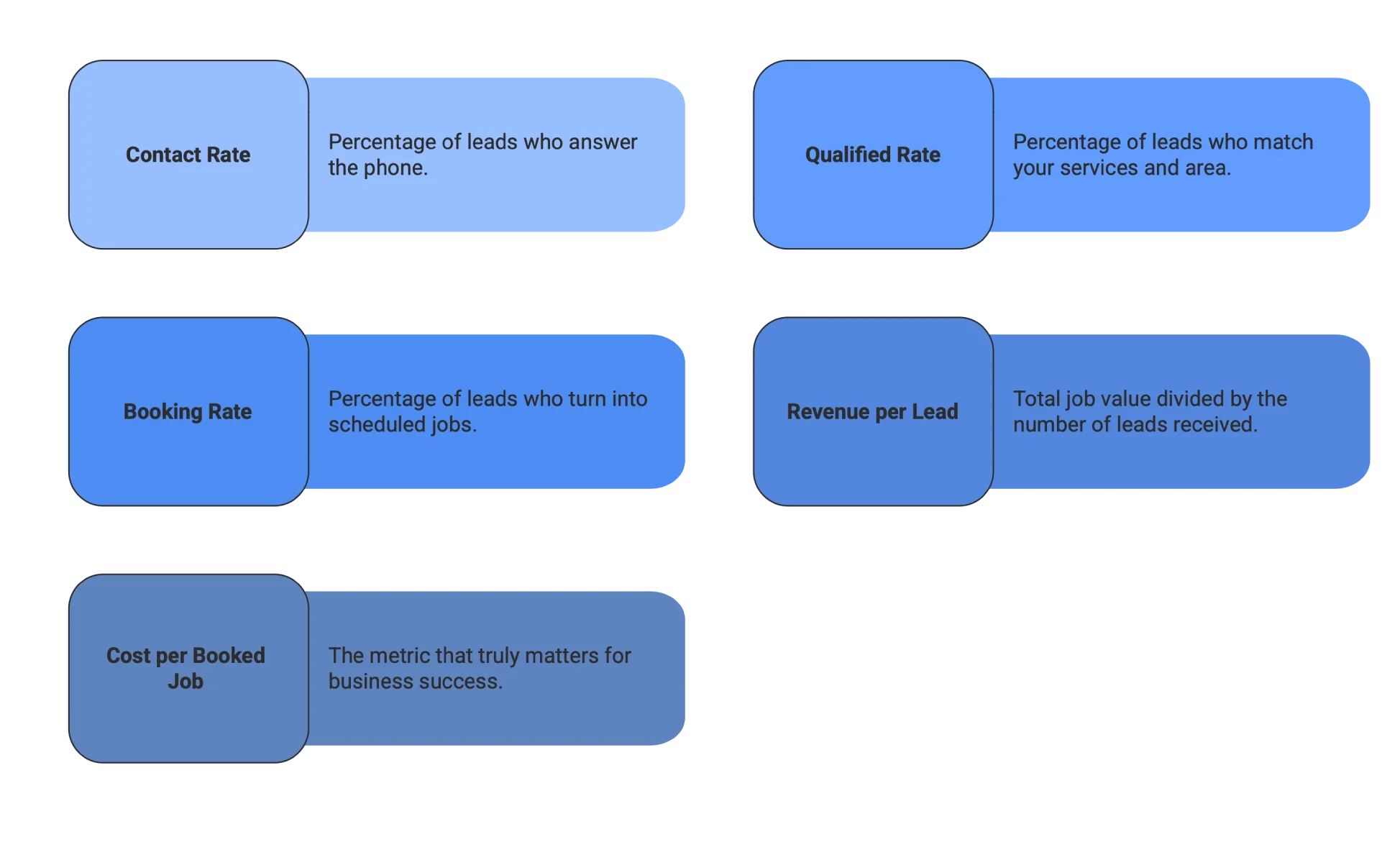
Many businesses evaluate marketing based only on CPL (cost per lead). This approach hides quality issues.
Instead, track:
Tools to Detect and Manage Lead Quality
Using the right software helps filter fake inquiries, track performance and improve conversion.
Call tracking & verification
CallTrackingMetrics – Advanced routing, call scoring, and location verification
Spam and form protection
- Google reCAPTCHA – Blocks bots and automated submissions
- CleanTalk or Akismet – Filters spam form entries
Marketing quality tracking
- Google Analytics – Identifies low-quality traffic sources
- WhatConverts – Tracks calls, forms, chats, and lead quality in one dashboard
Consider Exclusive Lead Partners
Many appliance repair businesses turn to exclusive lead providers to improve consistency and reduce wasted inquiries.
Exclusive leads offer:
- No competition from other companies
- Higher customer intent
- Better conversion rates
- More predictable scheduling
Inquirly.com provides exclusive appliance repair leads, meaning each inquiry is delivered to only one contractor instead of being shared. Pricing depends on the lead type, with form leads typically costing $10-$30 per lead and call leads ranging from $20-$100 per call.
Exclusive delivery results in stronger booking rates and a lower real cost per completed job. The key is to evaluate performance based on revenue and scheduled work, not just price per lead.
Final Thoughts
Low-quality and fake appliance repair leads drain time, money, and operational focus. The problem rarely comes from the market itself. It usually comes from weak targeting, shared distribution, or lack of accountability from lead sources.
The most effective approach combines careful partner selection, strict geographic and service filters and ongoing performance tracking. Businesses that measure revenue per lead instead of cost per lead quickly identify which channels deserve investment.
In appliance repair, profitability depends on efficiency. Fewer, higher-intent leads will always outperform large volumes of unqualified inquiries. By prioritizing quality and maintaining control over your lead sources, you can protect your marketing budget and keep your schedule filled with jobs that actually matter.