For water damage restoration companies, lead generation decisions directly affect revenue, efficiency, and long-term growth. In a market driven by urgency and trust, choosing the right type of leads can determine how many calls turn into booked jobs and how profitable those jobs are.
Two models dominate the industry: exclusive water damage leads and shared water damage leads. Each has its place, but they serve very different business needs. This article breaks down how both models work, their advantages and drawbacks, and which option tends to deliver better results for restoration companies.
What Are Water Damage Leads?
A water damage lead is a potential customer actively searching for help with flooding, leaks, burst pipes, or moisture intrusion. These leads typically come from homeowners, landlords, or property managers who need immediate assistance to prevent further damage, mold growth or insurance complications.
Unlike general home improvement inquiries, water damage leads carry a strong sense of urgency. The value of each lead is also higher, as restoration jobs often involve emergency services, equipment usage, and multi-day projects. Because of this, lead quality and response speed matter more than sheer volume.
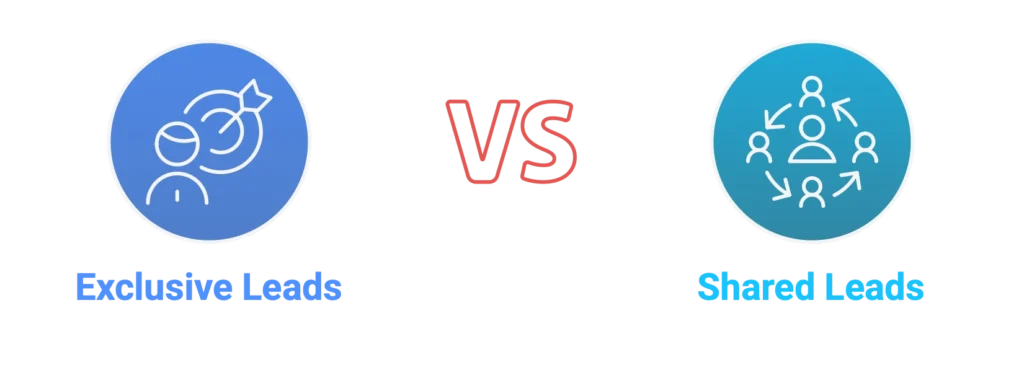
Exclusive Water Damage Leads Explained
Exclusive leads are delivered to a single restoration company. Once the customer submits a request, no other contractors receive that contact information. The restoration business that purchases the lead has full access to the opportunity without competition.
Lead generation companies, like Inquirly specialize in exclusive water damage leads, delivering real-time inquiries based on location, service type and intent. These leads are generated through targeted marketing and routed directly to one restoration company, ensuring exclusivity from the first point of contact.
Benefits of Exclusive Leads
- Higher Conversion Rates: exclusive leads eliminate the “race to be first” and the noise of competing calls. By removing the pressure on homeowners to compare multiple quotes, your team can focus on diagnosing the damage and scheduling the service. This personalized approach consistently yields higher conversion rates than shared lead models.
- Stronger Pricing Control: Shared leads often trigger “race-to-the-bottom” price wars. Exclusive leads allow you to price based on expertise and scope rather than competing quotes, protecting your margins and professionalism.
- Streamlined Operations: With fewer objections and less “chasing,” your team can focus on execution. This internal efficiency is critical for maintaining quality during high-volume events like storms or freezes.
Shared Water Damage Leads Explained
Shared leads are distributed to multiple restoration companies at the same time. Several contractors receive the same contact information and compete to reach the homeowner first.
This model is common on large lead marketplaces and is typically cheaper per lead. However, lower upfront cost does not always translate into better overall performance.
Advantages of Shared Leads
Lower Entry Cost: Shared leads cost less because the provider sells the same inquiry to multiple businesses. For companies with limited marketing budgets, this can make lead buying more accessible.
High Lead Volume: Shared lead platforms often generate large numbers of inquiries. This can help fill gaps during slow periods or support teams that rely on volume-based sales strategies.
Challenges with Shared Leads
- Heavy Competition: The biggest drawback of shared leads is competition. Homeowners may receive calls from several restoration companies within minutes. Many stop answering after the first few calls, which puts later responders at a disadvantage.
- Lower Conversion Rates: Because attention is split, conversion rates tend to drop. Restoration companies often need significantly more shared leads to close the same number of jobs as they would with exclusive leads.
- Price-Focused Conversations: Shared leads frequently push discussions toward cost comparisons instead of value. This environment makes it harder to differentiate based on expertise, certifications, or service quality.
Exclusive vs Shared Leads
| Aspect | Exclusive Leads | Shared Leads |
|---|---|---|
| Competition | None | Multiple contractors |
| Conversion Rate | High | Lower |
| Cost per Lead | Higher | Lower |
| Cost per Booked Job | Often lower | Often higher |
| Sales Process | Consultative | Competitive |
| Customer Experience | Focused and calm | Often overwhelming |
Return on Investment
Lead cost alone does not determine ROI. What matters is how many leads turn into completed jobs and how profitable those jobs are.
Exclusive leads may appear expensive upfront, but higher conversion rates, better pricing control, and shorter sales cycles often result in a lower cost per acquired customer. Shared leads can work on paper, yet many restoration companies find themselves spending more overall to achieve the same results.
For businesses focused on sustainable growth and reputation, exclusive leads tend to deliver more predictable outcomes.
Conclusion
Choosing between exclusive and shared water damage leads comes down to priorities. Exclusive leads provide higher conversion rates, stronger pricing power, and a smoother customer experience. Shared leads offer lower upfront costs and volume but introduce competition that can limit results.
For restoration companies focused on efficiency, profitability, and brand reputation, exclusive water damage leads are often the better long-term investment. Providers like Inquirly offer exclusive, real-time water damage leads designed to connect restoration companies with high-intent customers in their service areas.
A thoughtful lead strategy, supported by fast response, solid processes and performance tracking, can turn urgent calls into consistent, high-value work.