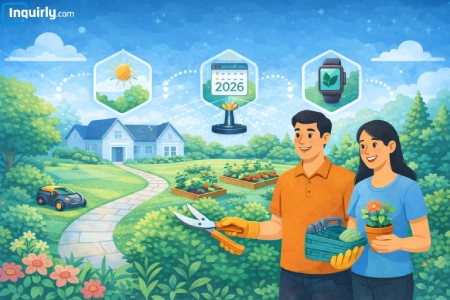
In 2026, the exterior of a house is no longer merely a patch of grass; it’s instead a high-performance extension of the living space. Whether you are looking to install a climate-resilient garden, build a professional-grade outdoor kitchen, or simply find a reliable crew for weekly upkeep, the landscaping industry has fundamentally shifted.
Homeowners today care most about “Speed to Lead,” which means they want rapid digital replies, and “Sustainable Precision,” where every plant and stone serves a specific environmental purpose.
This guide provides a professional assessment of modern landscaping services, current market costs, and the specific standards you should look for when hiring a provider.
1. Defining Your Project: Service Categories
Before you search for a “landscaper near me,” it is critical to understand which type of professional you actually need. Hiring a basic maintenance crew for a complex construction project is a common mistake that leads to poor drainage and wasted investment.
- Landscape Maintenance: This involves the routine “upkeep” required to keep a property healthy. Modern maintenance goes beyond mowing; it includes precision fertilization, soil pH monitoring, and seasonal debris removal. Many top-tier crews now use robotic mowers for “low-noise” service in residential areas.
- Design & Softscaping: This focuses on the living elements – the plants, trees and turf. In recent years, designers prioritize Native Planting and Biophilic Design, choosing species that thrive in your specific micro-climate with minimal irrigation.
- Hardscaping & Outdoor Living: This covers non-living features like paver patios, retaining walls, fire pits, and pergolas. These are structural projects that require knowledge of soil grading and drainage to protect your home’s foundation.
2. Pricing and Timelines
Landscaping costs have evolved with the rise of material prices and the integration of smart technology. On average, residential projects now fall into the following price brackets:
| Service Type | Typical Price Range | Key Cost Drivers |
| Full Landscape Design | $2,200 – $6,500 | Complexity of 3D models and site surveys. |
| Standard Maintenance | $150 – $450 / month | Frequency, acreage, and specialized care. |
| Hardscape Installation | $15 – $40 / sq. ft. | Material choice (natural stone vs. porcelain). |
| Retaining Walls | $3,500 – $9,500 | Height, drainage needs, and structural permits. |
| Outdoor Kitchens | $5,000 – $18,000+ | Appliances, utility lines, and stone finish. |
*Keep in mind the numbers listed above are estimates.
Timeline Realities: A simple garden refresh (softscaping) usually takes 3-5 days. However, complex hardscaping or a full backyard overhaul can span 3-6 weeks depending on local permit approvals and site preparation.
3. How to Choose the Right Landscaping Partner
The barrier to entry in landscaping remains low, which means the burden of vetting falls on the homeowner. To ensure a professional result, look for these three markers of a high-quality operation:
Demand Operational Transparency
Professional companies no longer work off hand-written notes. They utilize Field Service Management (FSM) tools like Jobber or Aspire to provide digital estimates, GPS-tracked arrival times, and clear photo documentation of completed work. If a contractor cannot provide a clear, digital scope of work, they likely lack the organization to handle your project.
Check for “Proof of Work” in Your Niche
A company that excels at “mow and blow” maintenance may struggle with a $20,000 paver patio. Review their portfolio specifically for projects that match your vision. In 2026, many contractors use 3D design software like Vectorworks to show you a “digital twin” of your yard before a single shovel hits the dirt.
Verify Licensing and Insurance
This is non-negotiable. Ask for a Certificate of Insurance (COI) that includes general liability and workers’ compensation. Without this, any injury on your property or damage to your home’s foundation could become your financial responsibility.
4. “Smart” and Sustainable Landscapes
The most significant trend is the “Intelligent Yard.” Homeowners are moving away from sprawling, high-water lawns and toward sustainable alternatives:
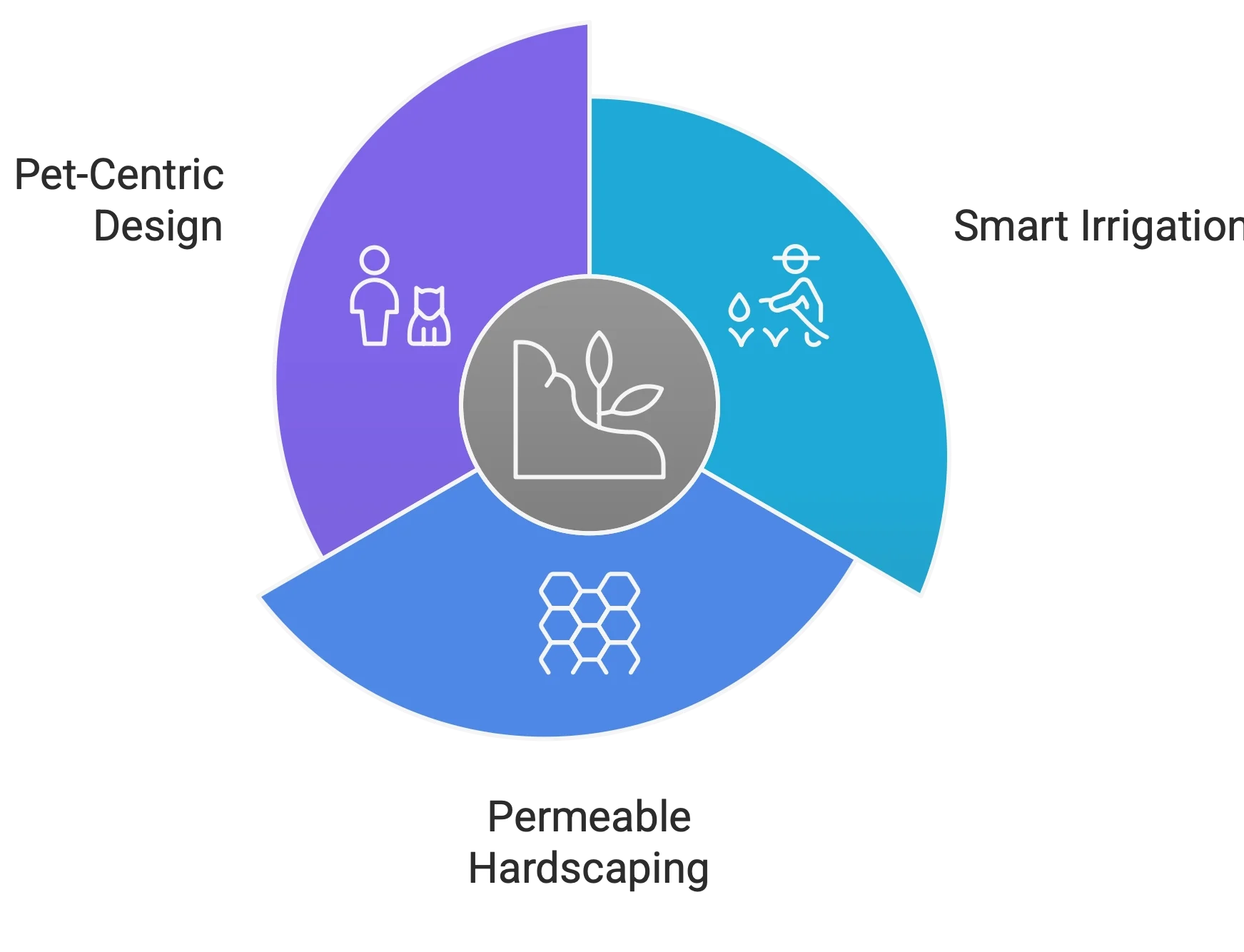
- Smart Irrigation: Systems like Rachio or Hydrawise connect to local weather stations to skip watering cycles when rain is forecast, reducing water waste by up to 50%.
- Permeable Hardscaping: Instead of solid concrete, professionals now recommend permeable pavers that allow rainwater to soak back into the ground, preventing local runoff and protecting your plants.
- Pet-Centric Design: Often called “Barkitecture,” this involves using paw-friendly turf and non-toxic native plants specifically for households with dogs.
5. Exclusive Landscaping Leads
For business owners in the landscaping space, the biggest challenge is no longer the work itself, but finding high-intent customers. To scale effectively, many contractors are moving away from shared lead platforms and moving toward exclusive, high-value opportunities.
Through Inquirly, landscaping professionals can secure exclusive landscaping leads, meaning the lead is never shared with competitors. Contractors can access incoming leads with an average winning cost of roughly $350 per lead. This model focuses on high-ticket contracts, such as full redesigns or commercial maintenance, ensuring that your marketing spend translates directly into significant, profitable revenue rather than just “clicks.”
Final Thoughts
Choosing a landscaper in 2026 requires a balance of assessing their physical craft and their digital professionalism. When you find a partner who employs smart technology, respects local ecology and delivers clear data, you aren’t simply hiring a gardener, you are hiring a manager for your home’s most important outdoor asset.