
Starting a snow removing business is one of the most reliable ways to generate high seasonal income. When a season comes, demand skyrockets and businesses that are properly equipped can charge premium rates. While the startup costs are significant, viewing them as strategic investments rather than financial barriers is key to building a profitable operation.
Projecting startup costs for 2026 requires balancing the investment in reliable equipment with the necessity of modern efficiency tools. Below, we break down the costs into three distinct entry points, showing you how to start small and scale big.
The Three Paths to Entry: Choosing Your Scale
The cost to start depends entirely on your target market: residential driveways, small business parking lots, or large commercial contracts.
Path 1: The Residential Starter
(The Side Hustle)
This is the low-cost entry point, focused on a specific neighborhood or small route. It minimizes initial snow removal costs by relying on lighter, smaller equipment and used gear.
| Equipment & Cost | Estimated Cost Range (2026) | Strategy |
|---|---|---|
| Used 1/2 Ton Truck (with 4×4) | $15,000 – $25,000 | A capable personal truck can often pull duty. |
| Small Straight Blade Plow (7.5 ft) | $4,500 – $6,500 | Lighter plow designed for residential driveways and tight spaces. |
| Commercial Snow Blower (1 Unit) | $1,500 – $2,500 | Essential for clearing sidewalks and paths. |
| Shovels, Salt Spreader (Handheld) | $500 | For detail work and walking paths. |
| Initial Working Capital & Insurance | $2,500 – $4,000 | Basic liability insurance is a must, even for residential work. |
| TOTAL MINIMAL STARTUP | $24,000 – $38,500 | This is the most affordable way to begin. |
*Please bear in mind that all costs presented are averages.
Path 2: The Professional Mid-Scale
(Investment for Growth)
This path is designed for entrepreneurs aiming to transition from a side hustle to a full-time, scalable business. It targets small commercial lots and dense residential routes, necessitating better, more reliable equipment. This is where your investment in high-quality snow plows for trucks begins.
A. The Heavy-Duty Vehicle Investment
For consistent snow plowing, you need a truck that won’t break down when you need it most.
| Vehicle Option | Estimated Cost Range (2026) | Benefit for Mid-Scale |
|---|---|---|
| Used Heavy-Duty Truck (3-5 years old) | $30,000 – $55,000 | The most realistic option: better capability than a 1/2 ton, less upfront cost than new. |
| Plow and Spreader Installation | $6,500 – $9,000 | An 8 ft straight blade plow installed, perfect for mid-sized parking lots. |
| Commercial Salt Spreader (Tailgate) | $3,000 – $5,000 | Enables profitable de-icing contracts-a huge revenue stream. |
| Total Vehicle & Plow Cost | $39,500 – $69,000 |
*Please bear in mind that all costs presented are averages.
Key Investments in this Tier:
- Working Capital: A sufficient cash buffer to cover unexpected maintenance, especially for used equipment, and the hiring of a single helper during major events.
- Vehicle: A dedicated used heavy-duty truck (3/4 ton or 1-ton) that is prepared for constant use, including pre-season maintenance funds.
- Plow and Spreader: A commercial-grade straight blade plow (8-9 ft) and a tailgate-mounted salt/sander spreader. Enabling profitable de-icing contracts is a huge revenue stream at this level.
- Business Protection: Higher limits of Commercial General Liability (CGL) insurance, a dedicated commercial auto policy, and necessary local operating permits.
- Efficiency: Initial investment in route optimization or basic CRM (Client Relationship Management) software to manage a growing list of clients efficiently.
Key Takeaway: This path is about buying durability and reducing risk. The investment here allows you to confidently service small commercial properties and scale your route without fearing breakdowns.
Path 3: The Commercial Powerhouse
(Investment for Maximum Profit)
This path targets large industrial parks, retail centers, and institutional contracts. These contracts are demanding but offer the highest profit margins, requiring brand-new, reliable equipment and advanced planning.
Investment Strategy:
This investment tier is non-negotiable for large-scale operations. The focus is on zero downtime and specialized equipment for high-volume, rapid clearance.
Key Investments in this Tier:
- Vehicle: Brand-new, warrantied heavy-duty truck (1-ton or larger) with full plow-prep package.
- Specialized Equipment: A Commercial V-Plow (9 ft+) for superior snow cutting capability and a large, high-capacity hopper spreader for bulk salt application across massive lots.
- Premium Protection: The highest limits of CGL insurance (often required by corporate clients) and mandatory Workers’ Compensation insurance for a growing team.
- Digital Infrastructure: A professional website, dedicated digital marketing (Local SEO), and subscription to advanced, real-time fleet management and route optimization software.
- Contingency Fund: A substantial cash reserve designed to cover immediate, premium-rate repairs for critical components or the cost of hiring subcontractors during severe back-to-back storms.
Key Takeaway: This level of investment guarantees reliability and speed, allowing you to secure and fulfill the highest-paying, most demanding contracts in your market.
Strategic Investment: Generating High-Quality Leads
Beyond equipment, a successful snow removal business requires a consistent pipeline of paying customers. While building relationships and local reputation is essential, partnering with professional lead generation services can immediately provide high-value, exclusive leads, especially for new companies or those looking to expand rapidly into commercial markets. This turns marketing spend into a predictable investment in future revenue.
For example, specialized lead providers like Inquirly.com focus on delivering exclusive, pre-qualified leads directly to snow removal operators. Prices vary on the type of lead, as their form leads cost between $25 – $40 per lead and calls cost between $35 – $120 per call.
Contact Us For More Information.
Final Summary: Tiers of Investment
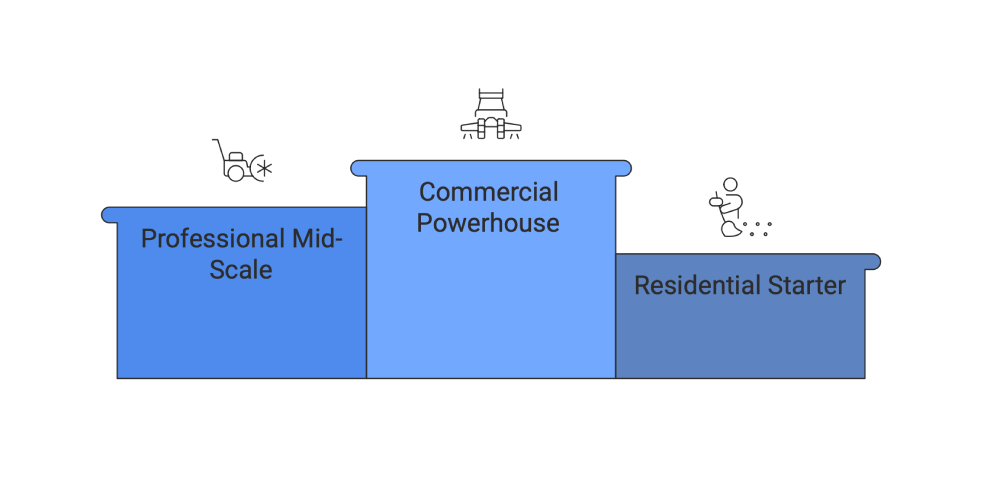
This table summarizes the approximate financial tier required to launch at each scale. Remember, these are broad estimates that vary based on the price of used trucks and regional labor rates.
| Entry Path | Target Market | Key Investment Focus | Approximate Investment Tier (2026) |
|---|---|---|---|
| 1. Residential Starter | Driveways, sidewalks, neighbors | Low cost, functional used equipment | $25,000 – $40,000 |
| 2. Professional Mid-Scale | Small commercial lots, dense residential | Reliable used truck, operational efficiency | $50,000 – $90,000 |
| 3. Commercial Powerhouse | Large retail, industrial, institutions | Zero downtime, brand-new heavy equipment | $100,000 – $160,000+ |
Conclusion
The Investment Pays Off
The initial snow removal costs should be viewed as the necessary entry fee to an industry with exceptional earning potential.
For the aspiring entrepreneur, starting with the Residential Starter path is a realistic and accessible way to generate income immediately. Once cash flow is established, you can use those profits to upgrade your truck and secure better snow plows for trucks.
For those ready to command the highest rates and offer the best snow removal services, the Commercial Powerhouse investment is a guarantee of reliability. By strategically investing in the right equipment and planning for contingencies, you ensure your business is the one clients trust when the snow flies hardest. The key is to choose the path that aligns with your current budget and future revenue goals, turning those initial costs into significant seasonal profits.