Storm season isn’t just coming — it’s already here. If you’re in roofing or water damage restoration, this is your window of opportunity. Especially if your business is in states like Florida, Texas, Louisiana, or the Carolinas, where storms hit hardest and most often.
In 2024, insured storm-related damage topped $92 billion nationwide — and most of that came from wind, rain, and flooding. That’s not just weather. That’s demand. Thousands of homeowners needing emergency help. Roofs torn open. Basements flooded. Properties exposed.
The question is: Will they find you first — or your competitor?
The Problem
When the storms hit, homeowners move fast — but many contractors don’t. They stay passive, relying on word of mouth or waiting for referrals that never come. Others burn their budget on shared leads that have already been sold to five other companies.
And worse: some buy into cheap lead programs that deliver nothing but disconnected numbers or “just browsing” shoppers.
The result? Wasted time. Lost jobs. And a frustrating feeling that you’re always one step behind.
We deliver exclusive, real-time leads tailored to your location and services.
Whether you specialize in emergency water damage restoration or handle roof repairs and replacements, our leads come from homeowners actively searching for help — right now.
No shared leads. No filler. Just qualified, inbound calls and form submissions routed straight to you the moment they come in.
Why Now
Every major storm sends a flood of traffic online — people Googling terms like “emergency roof repair near me” or “water cleanup service fast.” The contractors who show up first, win. The ones who wait, lose out.
Storm leads spike fast and sell fast. If you don’t have a reliable flow of inbound leads when the rain starts falling, you’re already behind.
Why Inquirly
We’ve helped hundreds of contractors scale during storm season — without burning through ad budgets or fighting over shared leads. With no contracts, transparent pricing, and hands-on support, Inquirly is the trusted partner for serious growth.
Our system is built around exclusivity and quality. Every lead is sent to just one contractor. If a lead turns out to be invalid — like wrong numbers, spam, or outside your service area — it’s refunded or replaced, no questions asked.
But don’t just take our word for it.
In our Inquirly Leads Review, we break down everything from lead delivery speed to conversion rates. Contractors report solid close rates, real homeowners actively seeking help, and a clear return on investment — especially during high-demand periods like storm season.
You get:
Exclusive leads only sent to you
Real-time delivery
No long-term commitments
Refunds for invalid leads
Support from a real team who knows this industry
Inquirly vs Other Lead Generation Services
Feature / Value
Inquirly ✅
Other Services ❌
Lead Type
Exclusive — sent to only 1 contractor
Shared with 3–5+ contractors
Lead Delivery
Real-time (instant notification)
Delayed or batch-delivered
Service Customization
Choose service type & zip codes
Limited or generic targeting
Refunds for Bad Leads
Yes — clear, fair refund policy
Rare or slow to refund
Contract Required
No contracts — cancel anytime
Long-term commitments required
Transparency
Clear pricing & performance data
Vague or hidden pricing
Support
Real people, quick replies
Offshore call centers or email-only
Lead Quality
Pre-qualified, real intent
Often cold or low-converting
Industry Focus
Water Damage, Roofing, Restoration
Generic across all industries
Client Control
You set budget, filters, volume
Little control over volume/fit
Reputation
Trusted by 500+ U.S. contractors
Often churn-heavy and unvetted
Ready for Storm Season?
Don’t wait for the next storm to scramble. The demand is already here — and your competitors are gearing up.
Did you know Florida has been hit by more hurricanes than any other U.S. state?
Since 1851, over 120 hurricanes have made landfall here — and nearly 40% of all U.S. hurricanes have impacted Florida directly. With each storm comes widespread water damage, from burst pipes and storm surge to soaked insulation and creeping mold.
According to FEMA, just one inch of floodwater can cause up to $25,000 in damage to a single home. And with over 8 million residential properties at risk of flood damage, the demand for water damage restoration services across the state is massive — especially after storms.
But here’s the issue: many contractors miss out. They either rely on slow word-of-mouth, get buried under low-quality shared leads, or aren’t showing up in the cities where the real demand exists.
In this article, we’ll break down the top Florida cities where storm-related leads surge, and how you can win more jobs in those markets.
Top 5 Florida Cities for Storm-Related Water Damage Leads
These five cities consistently generate the highest number of storm-related water damage inquiries — based on real lead data, Google search trends, and flood risk patterns.
1. Miami & Fort Lauderdale
Low elevation, high population density, and frequent hurricane threats make this one of the most active restoration markets in the country. Storm surge and flash flooding can affect thousands of homes within hours.
Why it matters: Leads in this region can triple within 48 hours of a named storm. High-value properties = high-value jobs.
Hot ZIPs to watch: 33156 (Pinecrest), 33301 (Downtown Fort Lauderdale)
Pro tip: Focus on fast response and mold services. Many homeowners pay out-of-pocket here and expect premium service.
2. Tampa & St. Petersburg
Despite avoiding direct hits in recent years, Tampa Bay remains one of the most vulnerable regions for storm surge in the U.S. Aging infrastructure means even moderate storms cause localized flooding.
Why it matters: After Hurricane Idalia in 2023, calls for water damage restoration jumped over 200% in 72 hours.
Hot ZIPs to watch: 33629, 33701
Pro tip: Position your brand with emergency response messaging. Being “first on site” wins jobs in this market.
3. Orlando & Central Florida
Even without coastal exposure, Central Florida sees major demand due to inland flooding, drainage backups, and mold issues. Summer storms often overwhelm local systems.
Why it matters: Steady year-round lead volume, with a spike after Gulf Coast hurricanes.
Hot ZIPs to watch: 32828 (Waterford Lakes), 32792 (Winter Park)
Pro tip: Bundle water extraction with mold remediation. These services convert well together and boost job value.
4. Jacksonville
Jacksonville sits near the Atlantic but also struggles with river-based flooding, especially from the St. Johns River. It often gets overlooked, but it’s a consistent restoration hotspot.
Why it matters: Leads spike during both hurricane season and late fall, as delayed damage and mold issues become visible.
Hot ZIPs to watch: 32207, 32246
Pro tip: Offer free assessments with 24-hour response windows — especially during high-risk periods.
5. Fort Myers & Cape Coral
Still recovering from Hurricane Ian, this area has one of the highest densities of flood-prone properties in Florida. Waterfront homes and canal systems increase exposure.
Why it matters: Clients in this region report 5–10 booked jobs per week during active storm months.
Hot ZIPs to watch: 33904, 33919, 33914
Pro tip: Be ready to scale in August–October. Homeowners here tend to act quickly — or not at all.
Why These Cities?
Not all parts of Florida are affected equally — and not all homeowners search for help the same way. Our list is based on:
Google search data for “water damage repair,” “emergency restoration,” and related terms
By combining search behavior with actual homeowner intent, we ensure that our partners get leads from the right cities, at the right time — not just random zip codes with low urgency.
When Florida Homeowners Need You Most
Storm season in Florida isn’t just one event — it’s a multi-month window of opportunity for restoration contractors. Here’s what our data shows:
This chart helps restoration companies see when and where to expect lead surges, so they can better plan staffing, ad spend, and response times — or let Inquirly handle it for them with real-time, geo-targeted lead delivery.
Storm Lead Table
Month
City / Region
Lead Surge Trigger
June
Miami, Tampa, Fort Myers
Early tropical storms, heavy rainfall, start of hurricane prep
July
Orlando, Jacksonville
Inland flooding from tropical systems, overwhelmed drainage
August
Fort Lauderdale, Cape Coral
Peak storm activity begins, flash floods, rising water tables
September
Miami, Tampa, Fort Myers
Major hurricanes hit; storm surge, wind damage, flood saturation
October
Jacksonville, Naples
Post-hurricane mold issues, late-season storms and coastal flooding
November
Orlando, Sarasota
Delayed discovery of structural water damage and mold remediation
Water damage from cold snaps, burst pipes, moisture inside walls
February
Tampa, Palm Bay
Small floods from rain systems, homeowners act before spring repairs
March
Naples, Cape Coral
Insurance deadlines, mold complaints from past storms
April
Fort Lauderdale, Sarasota
Pre-hurricane season inspections and repairs
May
Miami, Port St. Lucie
First thunderstorms of season, flash floods in new developments
Common Mistakes Florida Restoration Companies Make
We see too many restoration businesses lose jobs because of preventable errors. The most common?
Using shared lead platforms that sell the same lead to 4–5 competitors
Running broad, unfocused Google Ads across the entire state
Relying solely on organic referrals during peak demand
Failing to staff up during hurricane season
Responding too slowly when a lead comes in
If you’re working within a tight budget, check out our guide on free lead sources for water damage services. But for businesses ready to scale quickly, exclusive leads are the proven way forward.
At Inquirly, we built our system to solve every one of these problems — delivering leads that are exclusive, geo-targeted, and high-intent.
The Cost of Missing a Storm-Related Lead
A typical water damage job ranges from $3,000 to $10,000, with emergency or large-loss work easily surpassing $20,000. That means every missed call — every slow response — can cost your business thousands in lost revenue.
At Inquirly, we see contractors in Florida lose high-value opportunities because:
They rely on slow word-of-mouth
They’re stuck with shared leads that go nowhere
They’re not positioned in the cities that get the most search traffic
In 2025, appliance repair businesses have plenty of options when it comes to buying leads. But more choice doesn’t always mean better results. Today’s lead generation platforms, such as Angi and Inquirly, aim to connect appliance repair businesses with homeowners actively searching for help. In theory, they’re designed to take the marketing burden off your shoulders and fill your schedule with qualified service requests.
Yet, the experience business owners report couldn’t be more different. The actual experience varies widely depending on the platform, the structure of the leads and the goals of the business using them. Some find themselves swamped with leads that go nowhere. Others report high-quality bookings that fill their schedules and fuel growth.
Let’s take a deeper look at Angi vs. Inquirly to help you understand which platform aligns better with how appliance repair marketing works now and what it takes to actually grow.
Why Appliance Repair Marketing Needs Have Changed
In the past, it was enough to run an ad in the paper or set up a Yelp profile. Now? Customers are more skeptical – they are more informed and more cautious, platforms are more crowded and competition is fierce. At the same time, digital platforms have become crowded. Search results are packed with ads, directories, and competitors. Paid advertising costs have risen, SEO takes time and attention spans are shorter than ever. For appliance repair businesses, this means simply being listed online is no longer enough.
Shared vs. Exclusive: The Real Difference
Before diving into each platform, it’s important to understand the most critical difference between lead services: shared leads vs. exclusive leads. This core difference directly impacts conversion rate, pricing strategy, and customer experience.
Shared leads (Angi) are sold to multiple businesses, often 4-6 contractors at once. You’re in a race.
Exclusive leads (Inquirly) are sent only to your business. You get the call, the message, the opportunity, without competitors breathing down your neck.
Angi: A Quick Refresher
Angi (formerly Angie’s List and merged with HomeAdvisor) is a well-known player in the home service marketplace. It connects users to professionals for all sorts of jobs, from electrical work to appliance repair.
Businesses pay to appear in listings or receive direct leads. You can also use Angi Ads, which work like pay-per-lead campaigns.
Inquirly.com
Inquirly is a modern lead generation platform built specifically for service-based businesses, including appliance repair companies looking for high-quality, exclusive leads without the noise of traditional directories. Unlike platforms that operate on shared leads or general listings, Inquirly focuses on performance-driven, one-to-one lead delivery.
That means every lead you receive is:
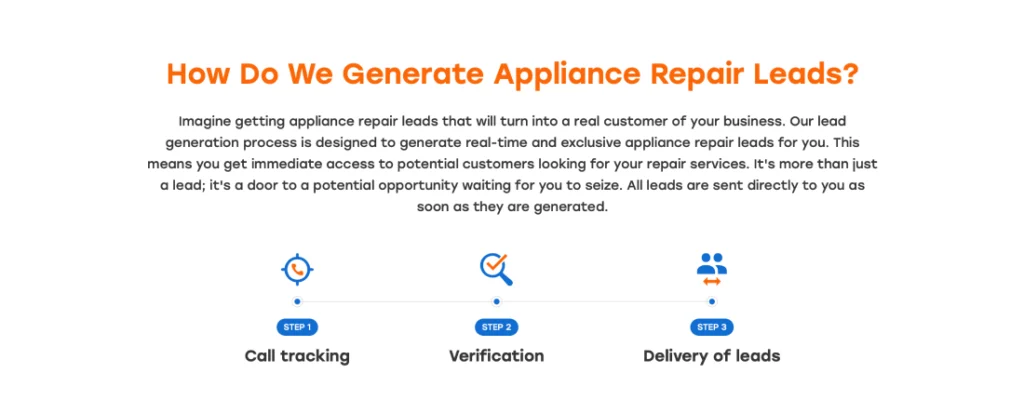
Verified: Leads are pre-screened to match your services, availability, and location.
Real-time: Delivered the moment the customer submits their inquiry.
Exclusive: Sent to only one business – you. No competition, no race to call back first.
How Angi Generates Appliance Repair Leads
Angi captures user interest via organic traffic, SEO, and paid ads. A homeowner submits a request through Angi’s form, which is then sold as a lead to multiple service providers.
You then receive the customer’s information but so do several others.
You must contact the lead quickly, price competitively, and hope your reputation or pitch wins out.
Angi Ads: How It Works and What You Pay For
With Angi Ads, you’re essentially bidding for visibility. You set a budget and pay per lead, but control over the quality or volume can be unpredictable.
Many users report inconsistent results. Some weeks may bring high-volume requests; others may be dry. The Angi ads reviews in 2025 reflect this pattern: useful for some, frustrating for others.
Inquirly’s Lead Matching and Verification Process
Inquirly is intentionally selective. Leads are verified, geo-matched and assigned to you based on your actual service categories and hours of availability.
That means:
Leads are exclusive to your business
Requests are real-time and pre-screened
You’re not competing with other companies over the same job
Angi
Lead Type:
Shared with multiple providers
Urgency:
Mix of high- and low-intent leads
Local Match:
Sometimes outside your service area
Competition:
Compete with 4-6 other contractors
Conversion Rate:
Lower due to price shopping
Inquirly
Lead Type:
Exclusive to your business
Urgency:
High-intent, book-now leads
Local Match:
Matched by ZIP code and service category
Competition:
None – no bidding wars
Conversion Rate:
Higher due to pre-qualified matches
Cost Comparison: What Are You Really Paying For?
At first glance, Angi might appear to offer a more affordable entry point into paid lead generation. On paper, the cost per lead can seem low, especially if you’re comparing just the top-line numbers. But here’s where things get more complicated.
Angi typically sells the same lead to multiple contractors at once. That means you’re not just paying for a lead, you’re also paying for a race. In practice, you might end up calling five leads just to book one job. The result? A skyrocketing cost per booked appointment, often without the stability or predictability that growing businesses need.
For example:
If you pay $30 per Angi lead, but only 1 in 6 leads convert, your cost per job is closer to $180 – not including the time, follow-up, or discounts you may offer to compete.
Inquirly’s Transparent Pricing Model
Inquirly, on the other hand, offers verified, exclusive leads with pricing based on lead type and urgency, without the competition factor. You’re not just getting contact info; you’re receiving a real-time, direct request from a homeowner in need of appliance repair, matched to your specific service area.
Here’s a general breakdown of Inquirly’s 2025 pricing for appliance repair leads:
Form Leads
$10 – $30 per lead
Homeowners fill out a request form with specific repair info. Ideal for booking inspection-based or standard jobs.
Phone Calls
$20 – $100 per call
Live, inbound phone calls. Typically urgent jobs like broken refrigerators, washer leaks, or same-day service needs.
Prices vary based on urgency, appliance type and service location. Inquirly’s model allows you to adjust lead flow and only pay when the right kind of lead is available, so you’re not locked into unnecessary spending during slow weeks or overbooked periods.
Start receiving exclusive appliance repair leads. Complete the Service Form here.
Who Should Use Angi vs. Inquirly?
Your ideal lead generation strategy should match the way you work, your available time, and your long-term goals. Here’s a more detailed breakdown of which platform might be a better fit for different business types:
🔧 Solo Technicians If you work independently and manage your own scheduling, follow-ups, and service calls, Inquirly is a stronger fit. Since leads are exclusive, you won’t waste time competing with other contractors or chasing down unresponsive customers
🏢 Small Businesses (1-5 Employees) When you’re trying to grow without sacrificing quality or burning out your staff, Inquirly’s curated approach gives you room to breathe.
🏗️ Larger Teams (Multi-tech or Multi-location) For businesses with more staff, trucks or multiple service areas, both Angi and Inquirly can play a role, but in different ways. Angi may help generate volume if your dispatch team can respond rapidly and manage competitive leads. However, larger teams looking to maximize efficiency and avoid time-wasting price battles often find Inquirly’s exclusive lead model better aligned.
🚀 New Businesses / Startups If you’re just getting started and want quick exposure, Angi might help get your name out there. However, because those leads are often shared and price-driven, it’s smart to view them as a short-term jumpstart, not a long-term strategy. As your business grows and your schedule tightens, transitioning to a platform like Inquirly, where lead quality and fit are prioritized, can help you convert more jobs and build your reputation faster.
Conclusion
Both Angi and Inquirly serve a purpose but they serve very different goals. In 2025, appliance repair companies that grow aren’t necessarily the loudest. They’re the most strategic. They invest in systems that reduce wasted time and increase booked jobs.
If you want volume, visibility, and are ready to hustle for every lead, Angi can work.
If you want efficiency, higher booking rates and better-fit customers, Inquirly offers a clearer path.
FAQs
Is Angi good for appliance repair leads? It can be, but lead quality varies. You may need to contact multiple leads before booking just one.
What’s the biggest advantage of Inquirly? Leads are exclusive, localized, and matched to your service type – no competition or undercutting.
Which is cheaper: Angi or Inquirly? Angi may be cheaper per lead, but Inquirly often wins on cost per booked job due to better conversion.
Do I need to use both? Some businesses do. But many drop Angi once they see consistent results from Inquirly.
Can I pause leads from Inquirly? Yes, their system allows you to pause or adjust flow instantly.
Does Inquirly require a contract? No. You can scale or pause any time, ideal for businesses with seasonal demand.
Ask any appliance repair business owner what they need more of, and the answer is usually the same: better leads. Not just more phone calls or clicks, but actual, bookable jobs with homeowners who are ready to move forward.
The truth is, the way appliance repair companies attract customers has changed dramatically in just the past few years. Search engines are more competitive. Paid ads are more expensive. And many lead providers are still selling the same contact info to five or six contractors at once, turning what should be a simple service call into a race to the bottom.
In 2025, successful appliance repair businesses aren’t relying on volume. They’re focused on lead quality – connecting with people who are already motivated to book, already trust their reputation, and already know what they need. That kind of lead isn’t easy to come by, but with the right tools, platform and marketing foundation, it’s absolutely achievable.
In this guide, we’ll break down where the best appliance repair leads are coming from today, how to avoid typical errors and how to create a lead generating strategy that truly promotes development rather than draining time and money.
Quality of the Appliance Repair Leads
In any service business, leads are the front door to new revenue. But in appliance repair, time is your most limited resource and not all leads are worth opening the door for.
A customer who lives outside your service radius.
A caller who just wants a “rough idea of cost.”
A name and number that’s been passed around to five other companies.
All of these eat up time without delivering work. And over the course of a week, they can drain your schedule, your team’s energy, and your marketing budget.
The difference between a profitable appliance repair company and one constantly scrambling for work often comes down to one thing: lead quality. Not just how many people contact you, but who they are, what they need, and how close they are to booking.
What Makes a High-Quality Appliance Repair Lead?
A high-quality lead is local, specific, urgent and intentional:
How to Get High-Quality Appliance Repair Lead
Now that we’ve defined what a good lead looks like and why so many don’t convert, let’s focus on what works. In 2025, getting appliance repair leads that actually result in booked jobs requires a smarter, more structured approach than in years past.
Businesses experiencing continuous growth today are not speculating. They use targeted tools, smart platforms and localised marketing to reach customers at the right moment in time.
Here’s how to do the same.
1. Use Lead Platforms That Offer Exclusivity
Leads can be either shared or exclusive. Many lead generation platforms sell the same inquiry to multiple contractors. You end up competing for attention and often lose out to whoever offers the lowest quote.
Instead, invest in platforms that provide exclusive leads – leads that go only to you.
Inquirly.com is a standout in 2025 for this reason. It delivers real-time, verified leads matched to your service area and repair categories. Simply by removing competition, exclusive leads increase your conversion rate and reduce how much time you waste on callbacks and quotes that go nowhere.
2. Run Google Local Services Ads (LSAs)
If you want to reach homeowners who are actively looking for help right now, Google LSAs are one of the best tools available.
These ads appear at the top of Google Search, often above regular pay-per-click ads. When someone types service related keywords, LSAs deliver your business listing, along with a “Google Guaranteed” badge that boosts trust instantly.
You’re only charged when a potential customer contacts you, not for views or clicks. Many businesses using LSAs report a higher ROI compared to traditional advertising because the leads are so intent-driven.
To get the most out of LSAs:
Keep your Google Business Profile updated and active
Respond to calls or messages as quickly as possible
Maintain a strong review average (4.5 stars or above)
3. Use Local SEO
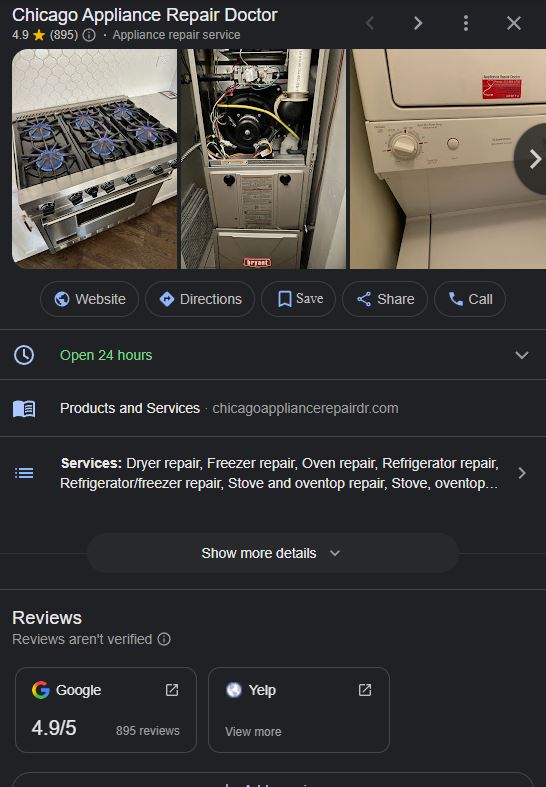
Local SEO remains one of the most reliable ways to bring in steady, high-quality appliance repair leads – especially for service areas where trust and visibility matter most. The first step is your Google Business Profile. This listing should be fully optimized: include your correct address, business hours, and contact info, but also real photos of your team, your truck, completed jobs, and a short, well-written business description that mentions your city and key services.
Your review strategy matters too. Actively ask satisfied customers to leave a Google review, especially if they mention the specific appliance you fixed. That keyword-rich feedback helps boost your ranking in local search.
Next, make sure your website has dedicated service pages. A single page called “Appliance Repair” won’t cut it. Instead, create separate pages for things like “Washer Repair,” “Refrigerator Repair,” and “Oven Repair,” each optimized with local keywords like your city or neighborhood. These pages should be detailed but simple, including FAQs, service checklists, and a clear call-to-action to schedule a visit.
Take a look at the example:
Don’t forget about consistency across the web. Your business name, address, and phone number, called NAP info – should match exactly everywhere it’s listed: Yelp, BBB, Nextdoor, Facebook and so on. Google cross-checks this data. Even small inconsistencies (like “St.” vs. “Street”) can reduce your trust score.
Finally, stay active. Post regular updates, such as seasonal maintenance tips, recent jobs completed, or customer testimonials. This ongoing activity signals to search engines that your business is open, engaged and relevant.
Free vs. Paid vs. Exclusive Appliance Repair Leads
Free Leads: Great for Visibility, Not Consistency
Many new appliance repair companies start here – Facebook groups, Craigslist, community forums or neighborhood platforms like Nextdoor. These channels can deliver the occasional solid job, especially if you’re building your reputation or offering limited-time deals.
But these leads aren’t predictable. You can post for days without results, or get messages from people who are just looking for free advice. The time cost can outweigh the benefit if you’re relying on free leads to fill your calendar.
Use free channels for brand awareness and to build trust in your neighborhood. But for long-term growth? You’ll need more consistency.
Paid Leads: Faster but Competitive
Platforms like Angi, and HomeAdvisor deliver a steady stream of lead inquiries, but often at a price. Not just financially, but strategically.
The main issue? Shared leads. These platforms frequently send the same customer request to 3-6 businesses. That creates a race: whoever responds fastest or quotes the cheapest often wins. It’s stressful, and more often than not, you’re competing on price instead of value.
That’s not to say paid lead gen can’t work. Many appliance repair pros do use it, especially during slow seasons or while scaling up. But to make it profitable, you need to:
Respond to leads instantly (within 1-2 minutes)
Qualify customers on the first call
Track ROI carefully (Cost Per Booked Job, not just Cost Per Lead)
Exclusive Leads: Less Noise, Higher Conversion
If you’re tired of chasing cold or oversold leads, exclusive appliance repair leads are worth serious consideration. With platforms like Inquirly.com, you receive verified, localized leads that are sent only to your business, no bidding wars, no price cutting and no callbacks from disinterested homeowners.
The cost per lead may be higher upfront, but the conversion rate and customer quality often make up for it. You save time, you sound more professional, and you’re more likely to secure repeat or referral business because the customer had a better first experience.
Simple Tools That Help You Close More Appliance Leads
If you want to increase your close rate, you don’t just need more leads – you need better systems. Here are a few tools top-performing appliance repair pros are using in 2025:
Conclusion
The most successful appliance repair companies in 2025 aren’t necessarily doing something revolutionary, they’re just doing the fundamentals better and more consistently than others.
They respond quickly. They show up where customers are searching. They don’t waste time chasing leads that were never likely to convert in the first place.
If you want better appliance repair leads, focus less on finding “tricks” and more on building a predictable system. That means using platforms that filter out noise, investing in tools that help you stay organized, and making sure your online presence reflects the kind of service you actually provide.
You just need to be in the right place, at the right time, for the right customer.
FAQs
What are the best ways to get appliance repair leads in 2025? Use a mix of Google LSAs, Local SEO, and exclusive lead platforms like Inquirly for best results.
Are exclusive leads worth paying more for? Yes! conversion rates are higher, customer trust is stronger, and competition is eliminated.
How can I tell if a lead is high quality? Look for clear intent, specific problem details, local address, and urgency in timing.
Is Google Ads or Local Services better for appliance repair? Local Services Ads are better for lead quality because they’re pay-per-lead, not per click, and include trust badges.
How do I automate my appliance repair leads process? Use tools like Calendly for booking, CallRail for tracking, and SMS for follow-up reviews.
Should I still use Yelp or Angi? They can work, but expect shared leads and price competition. Use them strategically alongside other methods.
You’ve paid for leads. You’ve waited for the phone to ring. You’ve responded within minutes and still… no job. Sound familiar?
In 2025, plumbers may now generate leads more easily than ever before. Ironically, though, it’s also gotten more frustrating. Many plumbers are investing hundreds (or even thousands) every month into paid lead platforms, only to see minimal return. Why? Because most of those leads are either low-quality, poorly timed, or simply not real prospects.
This article breaks down exactly why most paid plumbing leads go nowhere, and more importantly, how to fix it using smarter strategies that focus on quality, intent and conversion.
The Harsh Truth About Paid Plumbing Leads
Most plumbers who say, “Paid leads don’t work” are really saying, “Bad leads don’t work.” And they’re right. Not all lead platforms have your best interest at heart. Many of them work on volume. They collect as many homeowner inquiries as possible, qualified or not, and sell them to multiple contractors in your area. Their goal? Maximize their profit, not yours.
The result? You end up chasing vague leads like:
“Looking for quotes”
“Maybe next week”
“Just checking prices”
But what makes a lead “bad”? It could be:
Outside Your Service Area
The lead is located too far away, wasting your time and fuel, with little chance of booking profitably.
Just Price Shopping
The customer is contacting multiple plumbers with no urgency – often looking only for the cheapest quote.
Shared with Competitors
This lead has also been sent to 3-5 other plumbers, turning your follow-up into a stressful bidding war.
Spam or Fake Submission
Not a real job, just bot traffic, fake contact info, or a lead that never responds or answers the phone.
The Problem with Shared Leads
Shared leads are still the industry standard across many lead generation platforms. These companies collect a single homeowner inquiry, someone needing plumbing help and sell that same lead to four, five, or even six plumbers at once. The customer, often unaware of this, suddenly gets a wave of phone calls within minutes. It’s overwhelming.
Instead of competing based on quality or trust, you’re forced into a race: who can respond fastest, who will drop their price, and who’s most aggressive on the phone. In many cases, the customer gives up altogether, frustrated before anyone even gets a chance to book the job.
This approach creates several familiar problems for plumbing professionals. Response rates drop. Stress rises. Time gets wasted chasing jobs you were never going to win. And return on investment suffers.
Where Most Paid Leads Break Down
Even when you receive a genuine lead from a paid platform, there’s still a high chance things won’t convert. That’s because the problem often isn’t the lead itself, it’s what happens after it lands in your inbox or rings your phone.
One of the most common issues is slow follow-up. In the world of home services, especially plumbing, timing is everything. If you’re calling the lead five or ten minutes after it comes in, chances are the customer has already booked someone else. In most cases, the first plumber to respond is the one who gets the job.
Then there’s the matter of communication. Many contractors don’t realize how much tone, clarity, and confidence matter. If your script sounds unsure, rushed, or generic, the lead will lose interest quickly. Today’s customers expect quick and clear answers.
Another silent killer is lack of tracking. If you’re not monitoring where each lead is coming from, how many you’ve followed up with, or which platforms actually convert, you’re flying blind. Without that data, it’s impossible to refine your strategy or cut waste.
Finally, not having a proper follow-up system, such as CRM, automated reminders or even a structured call-back plan, leads to missed opportunities. The best plumbing companies treat every lead like it’s a booked job waiting to happen. They stay organized, act fast, and never let a good opportunity slip through the cracks.
In the end, getting a lead is just the beginning. What determines your return is what happens next.
The Role of Exclusive Leads for Plumbers
One of the most impactful changes for plumbing businesses in recent years, especially smaller or growing operations, has been the shift toward using exclusive leads. Unlike shared leads, which are distributed to several contractors at once, exclusive plumbing leads are delivered to one plumber only. This alone changes the entire dynamic of the sales process.
While exclusive leads do come at a higher price, typically ranging from $30 to $120 per lead, they often justify the cost through higher conversion rates, especially when the service area, response time and communication are aligned with customer expectations.
Platforms like Inquirly.com are helping plumbers get out of the volume game and into a results-driven model. The focus itself isn’t on sending as many leads as possible, it’s on sending better leads, filtered for intent, location, and job type. That shift from quantity to quality is giving tradespeople more control, less stress and better return on their marketing investment.
Want to Learn More About Exclusive Plumbing Leads?
Discover how top plumbing businesses are growing faster with verified, high-intent leads that aren’t shared with your competitors.
Focusing only on how much you pay per lead is misleading. What really matters is how much it costs you to book a job. For example, paying $30 for a lead that never converts is far worse than paying $80 for one that books a $600 repair. If you’re not tracking your cost per acquisition (CPA), it’s impossible to know which platforms are actually profitable.
Relying only on volume instead of quality
More leads don’t mean more revenue if they’re not the right leads. A flood of low-intent or shared leads can eat up your time and leave you burnt out. Instead, focus on acquiring leads that are exclusive, well-targeted, and more likely to convert, even if they cost more per lead. One solid lead is better than ten bad ones.
Failing to track which channels work best
Not all lead sources are created equal. Some platforms may bring you quick wins, while others only produce tire-kickers. Without tracking where each lead comes from and how many convert into paying jobs, you can’t improve or scale your marketing. Use a basic CRM or even a spreadsheet to log results and adjust your strategy based on real data.
FAQs
What’s the fastest way to get plumbing leads in 2025?
The fastest way to generate plumbing leads today is through Google Local Services Ads (LSAs). These appear at the very top of Google search results when someone types in queries like “emergency plumber near me”. They come with a Google Guarantee badge, which builds instant trust, and the platform charges you only when a valid lead contacts you directly, typically by phone. These leads are high-intent and often ready to book immediately.
That said, LSAs aren’t the only effective fast-track solution. Several lead generation companies that specialize in exclusive plumbing leads, give you direct access to real, verified homeowners without the stress of shared competition.
Are exclusive plumbing leads worth the higher cost? Yes – in most cases, exclusive leads are well worth the investment. While they typically cost more than shared leads, they aren’t distributed to multiple contractors. That means no racing to respond, no bidding wars, and a significantly higher likelihood of converting the lead into a paying customer.
How can I improve my lead response rate and close more jobs? Speed and professionalism are key. Aim to respond to every lead within 60 seconds, especially if it’s a phone call or form submission. Use a call tracking system to monitor inbound calls, and a CRM (Customer Relationship Management) tool to log, follow up and organize leads.
Looking to grow your appliance repair business and attract more customers? That’s where SEO, or Search Engine Optimization, comes in. These days, people are short on time — when they need appliance repairs, they’ll quickly look through Google’s local listings or even ask ChatGPT. That’s why showing up first in local search results is key to winning the call.
Local SEO doesn’t just drive traffic — it drives real results. About 76% of people who search for a local service on their smartphone visit a business within a day, and 28% of those searches lead to a purchase. Therefore, if growth is your goal, local SEO should be your starting point.
This guide covers step-by-step local SEO tips that actually work for appliance repair companies in 2025.
1. Start With Local Keywords: What Your Appliance Repair Customers Are Actually Searching
Keywords are the words and phrases people type into Google when they’re looking for something, like “washer repair near me” or “fridge technician in Chicago.” If you include the right keywords on your website, you’re more likely to show up in those searches. That’s why finding the right local keywords is one of the first and most important steps in local SEO.
To find the best keywords, try the free version of Ahrefs’ Keyword Explorer or use Semrush’s 7-day trial to see what people in your area are actually searching for. Google Keyword Planner is another great (and free) option, though it does require signing up for a Google Ads account. All of these tools offer valuable insights into the real search terms your future customers are using.
Start by typing in topics related to the services you offer — like “dryer repair” or “oven not heating.” The tools will generate a list of keywords that people are actually searching for. You’ll want to focus on two types of keywords: those with commercial intent and those with informational intent.
Commercial intent keywords are used by people ready to hire or book a service — for example, “appliance repair near me” or “same day fridge repair.”
Informational intent keywords are searched by people looking for advice or answers, like “why is my dishwasher leaking” or “how to fix a noisy dryer.”
2. Use the Local Keywords You Found to Optimize Your Website
Now that you’ve gathered a list of commercial and informational keywords, the next step is putting them to use. By strategically adding these keywords to your appliance repair website, you can boost your chances of showing up in local search results. Here’s how to do it effectively:
Home page and Service Pages
Start by optimizing your homepage and main service pages with commercial intent keywords — the ones people search for when they’re ready to hire.
For example, if “emergency appliance repair near me” is a common search in your area, make sure it appears naturally in your homepage title tag, meta description, and page content.
Title tag, Heading and Subheadings
Add your target keywords to key places on each page — especially the title tag, main heading (H1), subheadings (H2s and H3s), and body content. This helps search engines understand what your page is about and improves your chances of ranking for those terms.
Blog Posts and FAQs
Use your informational keywords in blog posts, FAQs, and other helpful content on your site. These terms attract people who are looking for advice or troubleshooting help, and they’re a great way to bring in traffic before someone is ready to book.
URLs, SEO Titles and Meta Description
Make sure your target keywords also appear in your page URLs, meta descriptions, and SEO titles. These elements help search engines understand your content and can improve your click-through rate when people see your site in search results.
Remember:
Always make sure your keywords appear naturally.
Avoid keyword stuffing — forcing keywords in too often can actually hurt your rankings and make your site harder to read.
Aim for clarity and flow first, and let the keywords support your message.
3. Set-Up Google Business Profile for Your Appliance Repair Business
If you want to show up on Google Maps or in the local pack (the map and listings at the top of search results), creating a Google Business Profile is a must. It’s free, easy to set up, and a powerful way to attract local customers — even if you don’t have a physical storefront. Here’s how to do it:
Enter your business name exactly as you want it to appear.
Choose your primary category — select “Appliance Repair Service” to make sure you show up for the right searches.
Add your service areas, phone number, and website (if you have one).
Set your business hours and make sure they reflect when people can reach you.
Write a short business description that clearly explains what you offer.
Upload clear photos of your work, team, tools, or vehicle — real photos help build trust.
Verify your business — Google will mail you a postcard with a code, or in some cases, allow phone or email verification.
4. List Your Appliance Repair Business on Trusted Local Platforms
Getting listed on local directories helps boost your visibility, build trust, and improve your local SEO. Think of these platforms as extra paths that lead customers straight to your business.
Start by submitting your business to:
Yelp
Better Business Bureau (BBB)
Angi (formerly Angie’s List)
YellowPages
Local Chamber of Commerce directories
Neighborhood-specific platforms like Nextdoor
City or region-specific directories (search for “[Your City] + business directory”)
Tips for better results:
Use the same business name, address, and phone number (NAP) on every listing.
Write a short, consistent business description across all platforms.
Add photos when possible — they increase trust and engagement.
Keep your listings up to date — update hours, services, or contact info if anything changes.
The more accurate and consistent your listings are, the more likely you are to appear in local search results.
✅ Local Directory Listing Checklist
List your business on Yelp, BBB, Angi, and YellowPages
Find and submit to local or regional directories
Use consistent business name, address, and phone number (NAP)
Add a clear, professional business description
Upload high-quality photos (team, tools, service in action)
Double-check hours and contact details
Revisit listings every few months to keep them updated
5. Collect and Manage Online Reviews
Online reviews are one of the biggest trust signals for local customers. When someone searches for “appliance repair near me,” they’re not just looking at who shows up — they’re checking ratings, reading reviews, and deciding who feels the most trustworthy.
That’s why collecting and managing reviews is a critical part of local SEO. The more positive, recent reviews you have, the more likely people are to choose your business, and the more likely Google is to rank you higher.
How to Collect and Manage Reviews:
Ask every happy customer for a review After completing a job, send a quick text or email with a polite request and a direct link to your Google Business Profile.
Make it easy The fewer steps it takes, the more likely people are to leave a review. Use a short, direct link and simple instructions.
Don’t wait too long Ask while the experience is still fresh. If possible, bring it up right after the service or during follow-up communication.
Respond to all reviews — even the bad ones Thank people for positive feedback, and reply professionally to negative reviews. Showing that you care makes a difference.
Avoid fake or incentivized reviews Google may remove suspicious reviews, and it can hurt your credibility. Focus on earning real reviews through good service.
Keep the momentum going Make reviews a regular part of your process, not just a one-time effort.
Review Request Template:
Hi [Customer Name], Thanks again for choosing [Your Business Name]! If you were happy with the service, we’d really appreciate it if you could take a moment to leave us a Google review. It helps other people find us — and lets us keep improving.
👉 [Insert your Google review link here]
Thanks again, and let us know if you ever need anything!
— [Your Name / Business Name]
6. Add Local-Focused Content to Help Your Website Rank Higher
Creating helpful content for your appliance repair website is one of the best ways to rank for informational keywords. When you publish blog posts that answer common repair questions or explain how appliances work, you naturally bring in more traffic. More local users will find your business while searching for advice, and some of them will turn into paying customers. Content builds trust, boosts visibility, and drives leads over time.
Best Practices for Creating Local-Focused Content:
Answer real customer questions Use questions you often hear from customers as blog topics — they’re likely being Googled, too.
Mention your service areas naturally Don’t just stuff city names. Write about real problems in real places (e.g., “dishwasher issues in Chicago apartments”).
Target long-tail keywords Focus on phrases like “why is my dryer making a thumping noise” or “how to reset a GE washing machine.”
Keep it simple and helpful Avoid jargon. Your content should feel like advice from a pro, not an instruction manual.
Add internal links Link blog posts to your service pages or contact page to guide readers toward booking.
Use clear headings and images Break content into sections with H2s and use photos or diagrams where helpful.
Publish consistently Even one new post per month helps Google see your site as active and relevant.
Content Ideas for Your Appliance Repair Website:
How to Troubleshoot a [Brand] Dishwasher That Won’t Start
5 Common Appliance Problems in [City Name] Homes
When to Repair vs. Replace Your Washing Machine
7. Build Local Backlinks
Backlinks — links from other websites to yours — are one of the strongest signals Google uses to rank websites. When trusted, local, or industry-related websites link to your appliance repair site, it shows Google that your business is reputable and worth ranking.
The more high-quality backlinks you earn, the more likely your site is to appear higher in local search results. But not all backlinks are equal — focus on getting links from websites that are relevant to your business and your service area.
How to Earn Local and Relevant Backlinks:
Join local business directories and associations Get listed on your Chamber of Commerce website or local business networks — many of them link back to member sites.
Partner with local service providers Connect with plumbers, electricians, or real estate agents — offer to refer each other and link between websites.
Sponsor a local event or team Small sponsorships often come with a logo placement and backlink from the event’s website.
Write guest posts for home improvement blogs Reach out to local bloggers or websites in related industries and offer helpful articles in exchange for a backlink.
Get featured in local media If you have a unique story, offer seasonal tips, or launch a new service, pitch it to local news outlets.
Ask suppliers or manufacturers for a link If you’re a certified repair provider or partner with a brand, they might be willing to link to your site.
Avoid spammy backlinks at all costs. Not all links are good links. Buying links or getting listed on unrelated, low-quality websites can actually hurt your rankings. Focus on building genuine, relevant connections with trusted local or industry sites — quality always beats quantity in local SEO.
8. Analytics – Track Your Local SEO Performance
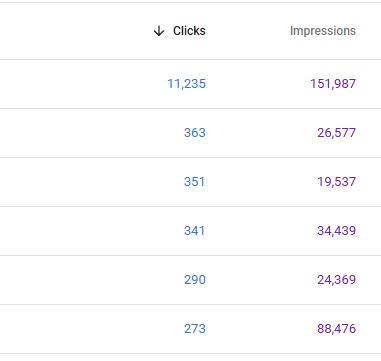
Once you’ve put in the work to improve your local SEO, it’s important to track what’s actually working. Using tools like Google Analytics and Google Search Console, you can monitor how people are finding your website, what pages they visit, and which keywords are driving traffic.
Pay special attention to metrics like local impressions, clicks, and calls from your Google Business Profile. These insights help you understand what to improve — and where you’re already winning.
What to Track:
Website traffic from local searches In Google Analytics, look at traffic sources and see how many users come from organic search — especially in your service area.
Top-performing pages Track which service or blog pages bring in the most local traffic and leads. Double down on what’s working.
Search impressions and clicks In Google Search Console, check your keyword performance — see how often your site appears and how often people click.
Google Business Profile insights Track how many people view your profile, request directions, click your website, or call your business directly from search.
Call volume and form submissions Use call tracking tools or form analytics to measure how many real leads you’re getting from your SEO efforts.
9. Competitor Analysis – Learn, Adapt, and Be Better
One of the easiest ways to improve your local SEO is by studying what’s already working for other appliance repair businesses in your area. Search for the services you offer and take note of who shows up first — then look closely at their websites, content, reviews, and Google Business Profiles.
What keywords are they using?
How many reviews do they have?
Which pages seem to rank the best?
You don’t need to copy them — but you can absolutely learn from them. Use those insights to improve your own site, offer more value, and outrank the competition over time.
How to Analyze Local Competitors:
Google your top services + location Search for terms like “dryer repair [your city]” or “emergency appliance service near me.” See who’s showing up at the top.
Study their websites Look at how their pages are structured, which keywords they’re using, and what kinds of content they publish.
Check their Google Business Profiles Review their business categories, service areas, photos, and number of reviews.
Use free SEO tools Tools like Ubersuggest, Semrush (7-day trial), or Ahrefs (free version) can show which keywords and pages drive traffic to their sites.
Compare their reviews Are they getting more feedback? Are they replying? Use this as motivation to improve your own review strategy.
Final Tips & Summary
Local SEO isn’t a one-time task — it’s an ongoing effort that pays off over time. From choosing the right keywords to getting reviews, building backlinks, and creating helpful content, every step helps your appliance repair business show up where it matters most: in front of local customers.
Stay consistent, track your progress, and keep an eye on what your competitors are doing. The businesses that win local search aren’t always the biggest — they’re the ones who show up, stay active, and keep improving.
Want more appliance repair leads — without doing the SEO work yourself?