Author Archives: Autumn Andel

Water Damage Industry Statistics Forecast in 2025

The water damage restoration industry is crucial in mitigating damages caused by flooding, plumbing failures, or leaks, which continue to affect residential and commercial properties. The demand for water damage restoration services has risen, driven by factors like aging infrastructure and climate change. By 2025, the water damage restoration market is expected to expand significantly, reflecting its growing importance in the broader property restoration sector.

Understanding current and future trends in the water damage restoration industry is necessary for both businesses and consumers. For businesses, staying relevant to market forecasts helps optimize services, invest in technology, and anticipate customer demands.

For homeowners and property managers, being informed allows for better planning and the proactive prevention of water-related disasters, which on the other hand, reduces long-term repair costs. Water damage remains one of the leading causes of property damage, with increasing claims, making it essential to understand both risks and solutions​.

Water Damage Industry Forecast for 2025

Market Size

The global water damage restoration market is set to reach $11.14 billion by 2025. This growth is driven by increasing natural disasters like floods and storms, aging infrastructure, and rising demand for restoration services in urban areas. Homes and businesses in flood-prone regions are particularly at risk, fueling the demand for restoration services.

Technological Advancements

By 2025, the use of advanced technologies such as AI-driven damage assessment tools, drones for surveying, and virtual reality (VR) for customer engagement will become more common in water damage restoration. These tools help companies assess damage faster and with more accuracy, providing better service while reducing costs​.

Insurance Trends and Mold Remediation

Water damage continues to be one of the top causes for homeowner insurance claims, with 1 in 50 American homeowners expected to file a water damage-related claim each year. Additionally, as awareness about the health risks of mold grows, mold remediation services, which are often needed after water damage, are expected to expand. This will increase the demand for specialized services like mold removal and prevention​.

Sustainability and Eco-friendly Practices

There will be a significant push toward sustainable and eco-friendly restoration techniques by 2025. Many restoration companies are already shifting toward green materials and methods, such as using non-toxic cleaning agents and minimizing waste during repairs. This trend is expected to grow, driven by consumer preferences and regulatory changes focused on environmental sustainability

Increased Urbanisation

As cities grow, their infrastructure, such as water pipelines, drainage systems, and sewage networks, becomes overburdened. This is because the rapid expansion of urban areas often outpaces the development or maintenance of critical systems. With more people living in cities, the strain on older infrastructure increases, making it more vulnerable to damage. This can lead to issues like pipe bursts, water leaks, and flooding, which require immediate restoration services.

Growing Focus on Preventive Measures in Water Damage Restoration

By 2025, the water damage restoration industry will see an increasing focus on prevention rather than just repair. More businesses and homeowners are expected to invest in preventive measures like leak detection systems, better waterproofing, and flood barriers. Many restoration companies are starting to offer these services to help stop water damage before it happens. This proactive approach is becoming more popular, especially in areas at high risk for flooding or with older infrastructure. Offering preventive services alongside traditional repairs will help companies build stronger, long-term relationships with their customers while creating new business opportunities.

What to Consider

When planning for 2025, businesses in the water damage restoration industry should take into account:

  • Climate Change: More frequent extreme weather events will lead to higher demand for quick and effective water damage services.
  • Sustainability: Consumers and governments are increasingly prioritizing eco-friendly practices. Companies that adopt green technologies and sustainable methods will likely gain a competitive edge​
  • Insurance: Businesses should stay informed on insurance trends as more policies are integrating water damage coverage, and faster claim processing is becoming a priority​
  • Technology: Investing in the latest tools for assessing and repairing water damage, such as AI-based systems, will improve response times and customer satisfaction​.

Q&A

Q: How can companies integrate eco-friendly practices into restoration services?
A: Restoration companies can adopt biodegradable cleaners, use water-saving technologies, and prioritize recycling materials. Sustainable sourcing and training staff on green practices will also reduce environmental impact​

Q: How can businesses differentiate themselves in a competitive water damage restoration market?
A: As competition increases, companies will need to differentiate through specialized services like eco-friendly restoration, quicker response times, and innovative technologies (e.g., drone inspections, AI assessments). 

Q: What are the key regional differences in water damage risks?
A: Different regions face varying water damage risks due to climate and infrastructure. Coastal areas are more vulnerable to flooding and hurricanes, while urban centers with old systems often see pipe bursts and sewage backups. Inland regions may experience river flooding, and colder areas are prone to frozen pipes in winter. High-risk regions focus on prevention, while others emphasize quick-response services.

Conclusion

As the water damage restoration industry moves toward 2025, it is clear that the sector is evolving in response to both new challenges and opportunities. Beyond just repairing damage, companies are embracing innovation, eco-friendly practices, and collaborations to stay competitive. Consumer expectations are changing, and sustainability is becoming more important. The integration of advanced technologies is driving transformation in the industry. Businesses that adapt quickly and focus on preventive solutions will stand out. Maintaining flexibility in this rapidly evolving market will be key to success in the coming years.


How to Get Restoration Work from Insurance Companies 

If you’re a contractor looking for steady work, partnering with insurance companies can be a great option. Restoration work from insurance companies involves repairing and restoring homes or businesses that have been damaged by disasters. These disasters could be natural events, like hurricanes, floods, or wildfires, or even accidents like a kitchen fire.

When these events occur, homeowners file a claim with their insurance company to cover the costs of repairs. After the claim is reviewed and approved, the insurance company looks for contractors to handle the job. As a contractor, this gives you the chance to get hired by the insurance company to fix the damage.

But working with insurance companies isn’t exactly like working with regular customers. Insurance companies have specific requirements, procedures, and standards that contractors must meet.

By positioning yourself as a reliable, certified contractor who understands how to work with insurance companies, you can open the door to a steady stream of projects.

But how do you break into this field? In this guide, we’ll explain how you can get restoration work from insurance companies and what steps you need to take to succeed.

5 Steps to Get Restoration Work from Insurance Companies

1. Get Certified and Trained

The first step to becoming a trusted contractor for insurance companies is getting the right certifications. Insurance companies want to work with professionals who meet high industry standards. Certifications such as the IICRC (Institute of Inspection, Cleaning, and Restoration Certification) are essential for gaining credibility. These certifications show that you know how to handle complicated restoration jobs, such as water damage, mold removal, or fire damage cleanup.

Additionally, getting specialized training in areas like water mitigation, mold remediation, or fire damage restoration can give you an edge over other contractors. Some insurance companies even require specific training or certifications to make sure you’re qualified for the work.

2. Build Strong Relationships with Insurance Adjusters

One of the most important connections you can make is with insurance adjusters. Adjusters are the people sent by insurance companies to evaluate the damage, decide what repairs are needed, and approve the claims. Adjusters often have a say in which contractors are selected for the job, so building good relationships with them can lead to more referrals.

How do you build these relationships?

Start by networking at industry events, joining local insurance groups, and being proactive about reaching out to adjusters. Introduce yourself, provide your business details, and demonstrate that you understand their priorities, such as fast response times, accurate estimates, and quality work. Over time, these connections can pay off in the form of job referrals.

3. Stay Compliant with Industry Regulations and Licensing

Insurance companies are careful when choosing contractors and usually require that you have current licenses and insurance. This includes contractor licenses, liability insurance, and workers’ compensation coverage.

Having the right licenses and insurance shows the insurance company that you are a responsible and professional contractor. Before approaching any insurance company, be sure to review your state or local regulations to confirm that all your paperwork is current and in order.

4. Use Estimating Software Familiar to Insurance Companies

Insurance companies often rely on specialized software to process claims and approve contractor estimates. One of the most commonly used tools is Xactimate, a software that helps contractors create detailed, standardized estimates for restoration work.

Becoming proficient in Xactimate (or similar software) is important because it guarantees that your estimates are compatible with what insurance adjusters are used to seeing. By giving the insurance company a clear and detailed breakdown of the costs, it makes it easier for them to accept your estimate, which means you can start the job sooner.

5. Advertise Your 24/7 Capabilities

Make sure to promote your quick response times, use of advanced technology, and 24/7 availability in all your marketing materials. These are key things that make your business more attractive to insurance companies, as they need reliable contractors who can act fast during emergencies.

You should also advertise your emergency services on platforms that insurance professionals use, like LinkedIn, industry associations, and at local insurance events. Insurance adjusters are always looking for dependable contractors to handle urgent jobs, and being visible on these platforms will help them remember you when a disaster strikes.

What to Consider When Working with Insurance Companies

When partnering with insurance companies for restoration work, there are some additional things to keep in mind:

Adapting to Their Processes – Every insurance company has its own set of procedures, from submitting estimates to handling claim approvals. Be prepared to follow their guidelines closely. This might include using specific forms, tools, or documentation methods. Following these processes ensures smoother communication and faster approvals, making you easier to work with from their perspective.

Handling Payment Delays – Insurance company payments often take longer than direct customer transactions. Be prepared for longer payout cycles, which can sometimes stretch into weeks or months depending on the complexity of the claim. Managing your cash flow effectively is essential so that your business isn’t impacted by these delays.

Balancing the Homeowner and the Insurance Company – Although insurance companies are your main clients, it’s essential to keep the homeowner in the loop. Homeowners may feel stressed or frustrated during the restoration process, especially if their claims are delayed or partially denied. Maintaining clear communication with both the insurance company and the homeowner is key to keeping everyone satisfied.

Q&A

Q: How long does it take to get paid by insurance companies?
A: Payment times can vary depending on the complexity of the job and the approval process. Typically, contractors receive payment once the work is completed and inspected. This can take anywhere from a few weeks to a couple of months.

Q: What happens if the insurance claim is denied?
A: If an insurance claim is denied, the contractor usually won’t receive work through the insurance company. However, in some cases, the homeowner may still decide to hire you directly to complete the repairs. Always communicate clearly with the homeowner about their options.

Q: Do I need special insurance to work with insurance companies?
A: Yes, most insurance companies require contractors to have specific types of insurance, such as general liability insurance and workers’ compensation, before they can take on a job. This protects both the contractor and the insurance company from potential legal issues during the project.

Conclusion

Working with insurance companies offers a reliable path to consistent restoration jobs, but it also requires patience and a professional approach. It’s important to understand their systems and be flexible when dealing with claims. While you might face delays or changes in scope, staying organized and maintaining clear communication will help you navigate these challenges. Over time, proving that you can handle the demands of insurance-related work can lead to steady growth for your business.

Best Water Damage Lead Generation Companies in California

Dealing with water damage is a big problem for homeowners in California. Besides the physical damage it brings, water issues can also be expensive to repair and incredibly stressful to manage. Water damage can occur for many reasons, such as flooding, heavy rainfall, or even a broken pipe. No matter the cause, homeowners need quick and reliable repair services to prevent further damage.

If you own a water damage repair company, keeping a consistent flow of customers is necessary for its success. However, finding new customers can be challenging, especially when you’re focused on completing repair jobs. That’s where lead generation companies play a crucial role, they help you find homeowners who are actively searching for water damage services.

In this article, we’ll explain why working with a lead generation company can be a game-changer for your business. We will also provide you with a list of the top water damage lead generation businesses in California. These companies will link you with people in need of your services, allowing you to focus on what you do best: fixing water damage and restoring homes.

Why Work with Lead Generation Companies?

A lead generation company’s job is to find potential customers (called “leads”) for your business. These companies collect information from people who need help with water damage, and they pass those leads on to you. This saves you the hassle of advertising, cold-calling, or searching for customers on your own.

Here’s why lead generation companies are worth considering:

  • Saves You Time – instead of spending time and money on marketing, you get leads from people already looking for your services.
  • Flexible Pricing – most companies charge per lead, which means you only pay when you receive potential customer information. You can set a budget that works for your business.
  • Higher Conversions – since the leads are already interested in water damage repair, you have a better chance of closing the deal.
  • Better Results – these companies use online marketing to target homeowners who have water damage and need help right away. So, the leads you get are more likely to turn into paying customers.

.

Now, let’s take a look at the top lead generation companies in California.

Top 5 Best Water Damage Lead Generation Companies in California

Here are five of the best lead generation companies that can help you grow your water damage restoration business:

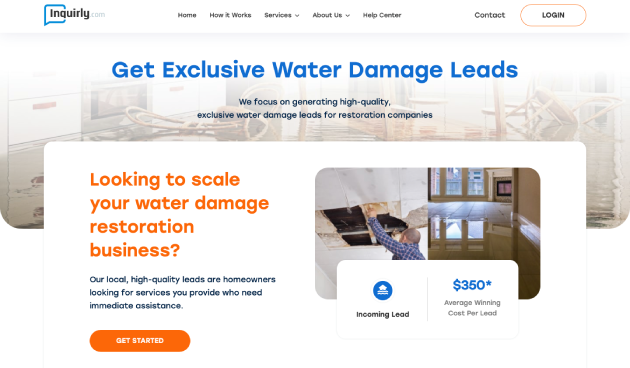
1. Inquirly

Inquirly is a versatile lead generation platform that helps water damage repair businesses connect with high-quality leads. Using advanced marketing techniques like SEO, social media advertising, and targeted outreach, Inquirly brings in customers who are actively looking for water damage restoration services. Inquirly also allows businesses to track leads, manage customer interactions, and customize their campaigns based on location and needs.

Website: inquirly.com
Contact Info: (855) 387-7272
Price Range: $50 – $300 (exclusive leads)

Benefits of Inquirly’s Water Damage Leads 

2. HomeAdvisor

HomeAdvisor is a widely recognized platform that connects homeowners with service professionals. Their system lets contractors receive leads based on specific criteria like location and service. HomeAdvisor’s vast customer base helps water damage restoration companies find a steady flow of qualified leads quickly.

Website: homeadvisor.com
Contact Info: 1-888-811-ANGI
Price Range: The HomeAdvisor membership costs around $300 annually + $15 – $60 per lead

3. Networx

Networx focuses on delivering leads through various digital marketing methods, such as SEO and paid ads. They work to connect contractors with homeowners who need immediate help with water damage. Networx also offers a platform for showcasing your business’s credentials, making it easy for homeowners to decide to hire you.

Website: networx.com
Contact Info: (888) 612-8043
Price Range: each lead costing anywhere from $14 – $100

4. Yelp for Business

Yelp is a well-known review platform that can also help contractors generate leads through targeted advertising. Contractors can create a business profile, encourage customer reviews, and use Yelp’s paid advertising options to appear higher in search results. Many homeowners trust Yelp reviews when searching for local services, making it a good option for water damage contractors looking to build their reputation and attract more leads.

Website: biz.yelp.com
Contact Info: (877) 767-9357
Price Range:
Custom pricing based on location and ad spend

5. Thumbtack

Thumbtack is a flexible platform where contractors create a profile and get directly connected with potential customers. Homeowners post requests for services, and contractors can bid on those jobs. You pay only for the leads that contact you or respond to your offers, allowing you to control your marketing budget. Thumbtack is ideal for local contractors who want to grow their business through customer reviews and direct engagement.

Website: thumbtack.com
Contact Info: 866-501-5809
Price Range: $20 – $60 per lead, depending on the job type and region.

Related Questions

  • How do water-damage lead generation companies work?

Lead generation companies find potential customers using online advertising, SEO (search engine optimization), and partnerships with other websites. When homeowners need water damage services, they fill out a form or request help. The lead generation company collects this information and sells it to contractors like you.

  • Is it worth paying for leads?

Yes, especially if you’re struggling to find new customers on your own. Paying for leads can help you grow your business faster by connecting you with homeowners who need water damage repairs right now. Just make sure you choose a reliable company and respond quickly to the leads you receive.

  • What should I look for in a lead generation company?

Look for a company with transparent pricing, good reviews, and a solid reputation for delivering quality leads. Also, make sure they offer leads in your specific area and service type.

Conclusion

Choosing the right lead generation company can significantly boost your water damage restoration business. These companies simplify the process of finding customers by providing you with qualified leads. No matter if you’re new to the business or looking to grow, partnering with a reliable lead generation company in California can help you attract more clients and fill your schedule. Focus on delivering great service while they assist you in finding your next customer.

10 Proven Strategies to Skyrocket Your Appliance Repair Business Growth

As the demand for appliance repair services continues to rise, standing out from the competition requires more than just repair expertise. With the U.S. appliance repair industry expected to reach $5.9 billion by 2026, according to IBISWorld, it’s crucial to implement effective growth strategies. Whether you’re a seasoned pro or just starting out, these ten tips will help you expand your customer base, increase revenue and establish a thriving appliance repair business. 

1. Supercharge Your Online Presence

appliance repair business web

Having a strong online presence is non-negotiable. A whopping 97% of consumers use the internet to find local businesses, according to BrightLocal. Here’s how to make sure your business stands out:

  • Create a professional website: Showcase your services, pricing and contact information. Use platforms like WordPress or Wix to build a user-friendly site.
  • Optimize for search engines: Implement SEO best practices to improve your visibility on Google. Tools like Yoast SEO can help you optimize your content. For more in-depth strategies, check out our guide on SEO Strategies to Increase Your Appliance Repair Leads.
  • Claim your Google My Business listing: This free tool from Google allows you to manage your online presence across Google, including Search and Maps. Make sure to keep your information up-to-date and add photos regularly.
  • Leverage social media: Platforms like Facebook, Instagram and LinkedIn are great for sharing tips, before-and-after photos and customer testimonials. Aim to post at least 3-4 times a week to keep your audience engaged. Learn more about this in our post on How to Attract Appliance Repair Clients by Using Social Media Platforms.

2. Deliver Exceptional Customer Service

Great customer service can set you apart from the competition. In fact, 93% of customers are likely to make repeat purchases with companies that offer excellent customer service, according to HubSpot.

  • Implement a feedback system: Use tools like SurveyMonkey or Google Forms to gather customer feedback after each service call.
  • Respond promptly: Aim to respond to all inquiries within 2 hours during business hours. Use automated responses for after-hours messages to set expectations.
  • Follow-up after service calls: Send a thank-you email or text with a summary of the service provided. This personal touch can go a long way in building customer loyalty.
  • Monitor and respond to online reviews: Learn about the Impact of Online Reviews on Your Appliance Repair Business and how to manage them effectively.

3. Expand Your Service Area Strategically

appliance repair business location

Growing your service area can open up new opportunities, but it’s important to do it strategically:

  1. Research neighboring areas with less competition using tools like Google Trends and SEMrush.
  2. Start by expanding your radius in 10-mile increments. For example, if you currently serve a 10-mile radius, aim to grow to 20 miles, then 30 and so on.
  3. Offer mobile services for added convenience. This can be a significant selling point for busy customers who can’t easily leave their homes or offices.

4. Launch a Referral Program That Works

Word-of-mouth referrals are powerful – 92% of consumers trust recommendations from friends and family over any other type of advertising, according to Nielsen.

  • Create enticing incentives: Offer a 10% discount on future services for customers who refer new business to you.
  • Partner with complementary businesses: Build relationships with real estate agents, property managers and home inspectors. Offer them a $50 gift card for each successful referral.

5. Diversify Your Service Offerings

appliance repair business offerings

Expanding your service offerings can help you tap into new revenue streams and provide more value to your customers.

  • Introduce maintenance plans: Offer annual appliance check-ups or seasonal HVAC maintenance. This can provide steady, predictable income and help prevent major breakdowns for your customers.
  • Add related services: Consider offering small electrical repairs or plumbing services for dishwashers and washing machines. According to HomeAdvisor, the average cost for appliance repair is $170, while electrical work averages $280, potentially increasing your revenue per service call.

6. Invest in Continuing Education and Certifications

Staying up-to-date with the latest technologies and best practices is crucial in the appliance repair industry.

7. Harness the Power of Digital Marketing

appliance repair business digital media

Digital marketing can help you reach a wider audience and attract more customers. In fact, 68% of online experiences begin with a search engine, according to BrightEdge.

  • Implement pay-per-click (PPC) advertising: Use Google Ads to target local search terms like “appliance repair near me” or “refrigerator repair [your city]”.
  • Create valuable content: Start a blog on your website offering how-to guides for simple repairs and maintenance tips. This can improve your SEO and position you as an expert in your field.
  • Use email marketing: Tools like Mailchimp can help you send seasonal maintenance reminders and exclusive offers to your customer base.
  • Consider purchasing leads: For insights on finding quality leads, read our post on Top 4 Platforms for Buying Appliance Repair Leads.

8. Optimize Your Pricing Strategy

A well-thought-out pricing strategy can help you attract more customers while maintaining profitability.

  1. Conduct regular market research on competitor pricing using tools like Google and Yelp.
  2. Implement tiered pricing options: Offer basic, standard and premium service levels to cater to different customer needs and budgets.
  3. Create bundle deals for multiple appliance services. For example, offer a 15% discount when a customer books three or more appliance repairs at once.

9. Streamline Operations with Technology

appliance repair business  operations

Embracing technology can help you work more efficiently and provide better service to your customers.

  • Use field service management software: Tools like ServiceTitan, Jobber or HouseCall Pro can help you manage scheduling, invoicing and customer communications.
  • Implement online booking: Allow customers to schedule appointments 24/7 through your website. This can significantly improve customer convenience and potentially increase bookings.
  • Utilize inventory management tools: Keep track of parts and reduce unnecessary stock with software like Sortly or Inventory Management.
  • Implement a CRM system: Learn How to Use CRM Tools to Manage Appliance Repair Leads to improve your lead management and customer relationships.

10. Build Strategic Partnerships

Forming partnerships can help you tap into new customer bases and grow your business faster.

  1. Collaborate with appliance retailers: Offer installation and warranty services for their products.
  2. Partner with property management companies: Become their go-to repair service for all their properties.
  3. Join local business associations: Look into your local Chamber of Commerce or BNI (Business Network International) chapter for networking opportunities.

Ready to Take Your Appliance Repair Business to the Next Level?

Implementing these strategies can help you grow your appliance repair business and stay ahead of the competition. Remember, growth doesn’t happen overnight – it’s a continuous process of improvement and adaptation.

Need help implementing these strategies? At Inquirly, we specialize in lead generation for home service businesses across the U.S. Contact us today and learn how we can help you attract more high-quality leads for your appliance repair business.

Appliance Repair Business Insurance: What You Need and Why

Running an appliance repair business means you’re used to fixing everything from malfunctioning refrigerators to broken washing machines. But what happens when your business faces unexpected challenges?

That’s where having the right insurance comes into play. In this post, we’ll explore the types of insurance your appliance repair business needs, why they’re essential and how to secure proper coverage. 

What is Appliance Repair Business Insurance?

Appliance repair business insurance is a set of policies designed to protect your company from financial losses due to accidents, property damage, lawsuits and other risks specific to your industry. It’s different from general business insurance because it takes into account the unique challenges faced by appliance repair professionals.

Why Do You Need It?

You might be thinking, “I’m careful in my work. Do I really need insurance?” The answer is a resounding yes! Here’s why:

  • Financial Protection: Even the most skilled technicians can make mistakes. Insurance protects you from potentially bankrupt lawsuits or repair costs.
  • Legal Requirements: Depending on your location, certain types of insurance may be mandatory for operating your business legally.
  • Customer Trust: Clients feel more confident hiring an insured business, knowing they’re protected if something goes wrong.
  • Securing Contracts: Many large clients or property management companies require their contractors to have insurance.

For more insights on business insurance in related industries, check out our post on Types and Costs of Roofing Business Insurance in 2024.

Types of Insurance for Appliance Repair Businesses

1. General Liability Insurance

This is the foundation of your insurance package. It covers property damage and bodily injury that might occur during your work. For example, if you accidentally damage a customer’s flooring while moving a refrigerator, this insurance would cover the repair costs.

According to a recent industry report, general liability insurance for small businesses typically costs between $400 and $600 per year.

2. Professional Liability Insurance (Errors and Omissions)

This policy protects you if a client claims your work caused them financial loss due to mistakes or negligence. For instance, if a faulty repair leads to food spoilage in a restaurant’s refrigerator, this insurance would cover the associated costs.

3. Commercial Property Insurance

If you have a physical location for your business, this insurance protects your building, equipment and inventory from events like fire, theft or natural disasters.

4. Workers’ Compensation Insurance

If you have employees, this insurance is typically required by law. It covers medical expenses and lost wages if an employee is injured on the job.

5. Commercial Auto Insurance

This covers vehicles used for business purposes. It’s essential if you or your employees drive to job sites.

6. Tool and Equipment Insurance

This specialized coverage protects your valuable tools and diagnostic equipment from theft or damage.

For a deeper dive into insurance costs for service businesses, take a look at our article on How Much Does HVAC Business Insurance Cost?

How Much Does It Cost?

The cost of insurance varies widely based on factors like your business size, location and claims history. However, for a small appliance repair business, you might expect to pay:

  • General Liability: $500 to $1,500 per year
  • Professional Liability: $500 to $1,000 per year
  • Commercial Property: Varies greatly, but can start around $500 per year
  • Workers’ Compensation: Typically $1 to $1.50 per $100 of payroll
  • Commercial Auto: $1,000 to $2,000 per vehicle per year
  • Tool and Equipment: Often bundled with property insurance, but can add $300 to $600 per year

To get accurate quotes, use online comparison tools like CoverWallet or Simply Business.

Choosing the Right Provider

When selecting an insurance provider, consider:

  1. Reputation: Look for companies with strong financial ratings from agencies like A.M. Best.
  2. Industry Experience: Choose insurers familiar with the appliance repair industry.
  3. Customer Service: Read reviews and check their claims process.

Some reputable providers for small businesses include The Hartford, Progressive Commercial and Hiscox.

Steps to Get Insured

  1. Assess your needs: Consider your business size, services offered and potential risks.
  2. Gather information: You’ll need details about your revenue, employees and services.
  3. Get quotes: Contact multiple providers or use an online comparison tool.
  4. Review policies: Pay attention to coverage limits, deductibles and exclusions.
  5. Consult an agent: They can help you understand complex policy details.
  6. Purchase and set up payments: Many insurers offer monthly payment plans.

Best Practices for Appliance Repair Businesses

To minimize risks and potentially lower your insurance costs:

  • Implement and document safety protocols
  • Train employees regularly on safety and best practices
  • Keep detailed records of all jobs and client interactions
  • Review and update your coverage annually

FAQs for Appliance Repair Business Insurance

1. What type of insurance is mandatory for appliance repair businesses?
The mandatory insurance for your business depends on your location and whether you have employees. Workers’ compensation insurance is often required by law if you have staff and certain states may require commercial auto insurance if you use vehicles for work. It’s essential to check your local regulations to ensure compliance.

2. Can I operate an appliance repair business without insurance?
While technically possible in some areas, operating without insurance is highly risky. Not having coverage leaves you vulnerable to lawsuits, damages or accidents that could bankrupt your business. Many clients or larger contracts may also require proof of insurance before hiring you.

3. How much does insurance typically cost for a small appliance repair business?
The cost varies based on your business size, location and the types of policies you choose. On average, you can expect to pay around $500 to $1,500 per year for general liability insurance and $500 to $1,000 per year for professional liability coverage. Additional policies like commercial property or auto insurance will add to your total costs.

4. Do I need commercial auto insurance if I use my vehicle for work?
Yes. If you use your vehicle for business purposes such as traveling to job sites, commercial auto insurance is recommended. Most personal auto insurance policies don’t cover accidents or damages that occur during business activities.

5. What is tool and equipment insurance and is it necessary?
Tool and equipment insurance cover the repair or replacement of valuable tools and diagnostic equipment in case of theft, damage or loss. For appliance repair businesses that rely on specialized tools, this insurance can be a valuable safeguard.

6. How can I lower my insurance premiums?
To reduce your premiums, you can implement safety protocols, provide regular training to employees and keep detailed records of all business activities. Bundling multiple policies with the same insurer may also result in discounts.

7. How often should I review my insurance coverage?
It’s a good practice to review your insurance coverage annually. As your business grows or changes—whether through hiring more employees, expanding services, or acquiring new tools—your coverage needs may also change.

Conclusion

Insurance is a crucial component of running a successful appliance repair business. From protecting against lawsuits and property damage to meeting legal requirements and building customer trust, the right coverage shields your business from unexpected financial risks. By investing in policies like general liability, professional liability and workers’ compensation, you safeguard your business and position it for long-term growth. Carefully assess your specific needs, compare providers and regularly review your coverage to ensure your business is fully protected. With the peace of mind from being insured, you can focus on delivering excellent service and expanding your customer base.

The Power of Networking for Roofing Contractors

As a roofing contractor, you probably spend a lot of time focused on the technical side of your work – managing a business, measuring, installing and making sure every job is done right. But have you ever thought about how important it is to connect with other people in your industry and community?

Many roofing businesses miss out on the potential growth and opportunities that come from getting to know others. The more people who know about your roofing services, the more likely you are to get recommended for jobs. Networking for roofing contractors simply means building real relationships that can help you in different ways.

Nowadays, knowing the right people can be just as important as knowing the right roofing techniques. So, let’s explore how networking can help you grow your roofing business, what makes it so valuable, and how you can start building connections that can take your roofing career to the next level.

What is Networking and What Benefits Does it Have for Roofing Contractors?

Networking is about creating and maintaining relationships with other people, businesses or professionals who can help support your goals. It’s not only making sales or finding clients, it also means sharing information, advice and opportunities that can benefit everyone involved.

For roofing contractors, networking can provide several major benefits, such as:

  • When more people know about your roofing business, there’s a greater chance they’ll refer you to someone who needs your services.
  • Networking can help you find businesses to partner with, such as general contractors, electricians, or painters.
  • Being visible and active in your community or industry makes you more trustworthy.
  • Networking can help you discover new suppliers, tools or training opportunities that can make your job easier.

How to Network: 5 Tips for Roofing Contractors (Plus Where to Network)

Ready to start networking but not sure how to begin? Here are five practical tips that will help you connect with others and build valuable relationships:

1. Attend Local Community Events

Local events, like home improvement expos, business fairs or neighborhood festivals, are great places to meet people. You’ll find homeowners who might need roofing work, other contractors who could share tips and local business owners who might need your services.

☝️Tip: Bring lots of business cards and wear something with your company name on it, like a branded shirt or hat. Be ready to chat with people about what you do, but try to keep it friendly and not too pushy.

2. Join Roofing and Construction Associations

Roofing and construction associations are groups where people in the same line of work come together. These groups help you meet other roofers, learn new things, and stay up-to-date on what’s happening in the roofing world. You might also hear about job opportunities through these groups.

☝️Tip: Don’t just join – get involved! Attend meetings, sign up for workshops, or volunteer to help out.

3. Partner with Other Local Businesses

Teaming up with other businesses is a great way to find more customers. For example, real estate agents often work with people who need roof repairs before selling a house. Landscapers, painters, or electricians also have customers who might need roofing work. You can recommend each other’s services and get more business.

☝️Tip: Offer to trade referrals or work together on projects. For example, if you know a painter, you could agree to tell your customers about their painting service and they can do the same for your roofing service. This way, both businesses win and you both get more jobs.

4. Attend Networking Events and Business Meetups

Networking events and meetups are where business owners get together to share ideas, get advice and find new opportunities. Groups like the Chamber of Commerce or local business clubs often organize these events.

☝️Tip: When you go to these events, don’t just hand out your business card and walk away. Take your time to really talk to people.

5. Use Social Media Platforms to Connect

Social media is a simple way to reach a lot of people without even leaving your house. By using websites like Facebook, LinkedIn, or Instagram, you can show off your roofing projects, connect with other roofing experts, and even chat with potential customers.

☝️Tip: Post pictures of your projects, share roofing tips and answer questions people might have about roofing.

Places to Network:

  • RoofCON (October 23-25, 2024, Orlando, FL) – A great event for connecting with roofing and solar professionals.
  • Western States Roofing Expo (October 29 – November 1, 2024, Las Vegas, NV) – Offers excellent peer-to-peer networking.
  • Best of Success Conference (December 4-6, 2024, Bonita Springs, FL) – Learn from leaders and network with peers.
  • International Roofing Expo (IRE) (February 19-21, 2025, San Antonio, TX) – The biggest roofing event in North America.

.

You can find more details about these events at Inquirly’s article.

Q&A

Q1: How often should I attend networking events?
A: The more the better. Aim to attend at least one networking event per month. Consistency helps you build stronger relationships and keeps you connected with industry trends.

Q2: How can I make sure my networking is effective?
A: Follow up with the people you meet! Send a quick email or connect on social media.

Q3: What if I’m not great at talking to people?
A: Start by listening and asking questions. People appreciate genuine interest, and you’ll find that conversations flow more naturally when you focus on others.

Conclusion

Networking is about building genuine relationships that help everyone involved. Start small, be consistent, and always look for ways to help others – your roofing business will benefit greatly from the connections you make.