Author Archives: Autumn Andel

How to Get More Leads for Pest Control – 7 Easy Steps

Pest control is the service that many homeowners and businesses rely on to keep their spaces safe and healthy. However, running the business itself can be challenging, especially when finding new customers. One of the most difficult tasks is generating leads, which means identifying people interested in your services and converting them into paying customers.

If you’ve been struggling to get more leads for your pest control business, you’re not alone. Many pest control businesses face intense competition, which makes it critical to find effective strategies to succeed. Luckily, you don’t have to be a marketing expert to boost your lead generation. In this article, we’ll lead you through seven simple methods to help you attract more customers without stress. But, before that, let’s go over some fundamental concepts relating to leads.

What to Know Before Getting the Leads

Before you begin generating leads, it’s important to know what type of leads you’re looking for and how to identify them.

Types of Leads:

Shared Leads

These are sold to multiple pest control companies, which means you’re competing with others to win the customer’s business. They’re usually cheaper, which makes them more affordable, especially if you’re starting out or have a limited budget. But, keep in mind, because these leads are given to several businesses, competition is higher, and you’ll need to act fast to secure the client.

Exclusive Leads

These are only provided to one pest control company – you. This means you’re the only business reaching out to the potential customer, giving you a higher chance of conversion. Exclusive leads tend to be more expensive, but the investment can be worthwhile given the increased likelihood of landing the job.

Cold Leads

These are people who haven’t shown any interest in your pest control services yet. They might not even know that they have a pest problem. Cold leads need more convincing and education about your services.

Warm Leads

These individuals are aware of their pest problem and might have shown some interest in your services, for example, visiting your website or following you on social media. They’re not quite ready to hire you.

Hot Leads

These are potential customers who are actively searching for pest control services and are ready to hire someone. They’re the most valuable leads because they’re more likely to convert into paying customers.

Knowing Your Target Audience:

Knowing who your ideal customers are will help you tailor your marketing strategies. Are you targeting homeowners, renters, businesses, or all of the above? Understanding their pain points will help you to create messages that resonate with them.

7 Easy Steps to Get More Leads for Pest Control

Now that you understand the basics, let’s jump into the seven steps that will help you get more leads for your pest control business.

1. Optimize Your Website for SEO

Your website is often the first place potential customers will visit when searching for pest control services. Make sure your website is easy to navigate and filled with relevant keywords that people might use when looking for pest control services in your area.

Tips:

  • Use keywords like “pest control near me,” “local pest control services,” and “best pest control company.”
  • Include a blog section with articles on common pest problems and solutions, which will help boost your SEO rankings.

2. Online Advertising

Paid advertising through platforms like Google Ads and Facebook Ads can quickly put your pest control business in front of people who are actively searching for your services. You can target specific demographics, such as location, age, and interests, to reach your ideal audience.

Tips:

  • Use Google Ads to target people searching for pest control services in your area.
  • Create Facebook Ads that show before-and-after photos of your work or highlight customer testimonials.

3. Lead Generation Company

If you want a faster way to get more leads, consider using a lead generation company. These companies are experts in finding potential customers for your pest control business.

Tips:

  • Research the Company and make sure the lead generation company has experience in the pest control industry and check reviews to verify their credibility. Companies, such as Inquirly.com offer you high-quality exclusive leads.
  • Ask About Lead Quality and understand how they source and qualify leads to ensure you’re getting high-quality prospects.

4. Email Marketing

It is an excellent way to stay in touch with potential and existing customers. Collect email addresses from website visitors and social media followers and send them regular updates, and promotions related to pest control.

Tips:

  • Offer a free guide or discount in exchange for email sign-ups.
  • Send follow-up emails to people who have shown interest but haven’t yet booked your services.

5. Customer Reviews and Testimonials

Word of mouth is still one of the most effective ways to generate leads. Ask satisfied customers to leave positive reviews on Google, Yelp, and other review websites. To gain the trust of potential clients, display these reviews on your website and social media.

Tips:

  • After completing a service, send an automated email, within 24-48 hours, thanking your customers and kindly asking them to leave a review.
  • Always respond to positive reviews with a thank you, showing appreciation for their feedback.
  • If you receive a negative review, address it politely and professionally.

6. Google My Business (GMB)

Google My Business (GMB) is a free tool that allows you to list your business on Google Maps and search results. A complete and optimized GMB profile can increase your visibility to potential customers in your area.

Tips:

  • Fill in all sections, including your business hours, services, photos and contact information.
  • Regularly update your GMB profile with posts.

7. Social Media Marketing

Nowadays almost everyone is using at least one social media platform. Facebook, Instagram and LinkedIn are very powerful tools for generating leads. Posting helpful tips, images and videos will engage potential customers and keep your company’s visibility.

Tips:

  • Join local community groups on Facebook and participate in discussions about pest control.
  • Share posts that educate your audience about common pests and prevention methods.

What to Know After Getting the Pest Control Leads

Once you start generating leads, it’s essential to have a system in place for managing them effectively. Here are some suggestions on what to do next:

  • Respond quickly to inquiries
  • Track your leads, Use a customer relationship management (CRM) system to keep track of your leads and monitor where they’re coming from.
  • Not every lead will convert right away, so it’s important to stay in touch. Send follow-up emails, offer promotions, and provide helpful information to keep them interested.

Top Pest Control Trends for 2024

Q&A

Q1: Do I need a big budget to get leads for my pest control business?

A: No, you don’t need a huge budget. Many strategies, such as optimizing your website and using social media, can be done for free or with minimal cost.

Q2: What’s the most effective way to convert leads into paying customers?

A: The key is to build trust and provide excellent customer service. Respond quickly, address their concerns, and offer solutions that show you’re an expert in pest control.

Q3: How long does it take to see results from these lead generation strategies?

A: Results can vary depending on the strategy. SEO and content marketing may take a few months, while paid advertising can generate leads almost immediately.

Conclusion

The key to success is to be proactive, patient and persistent. Focus on building strong relationships with your customers, offering superb customer support and staying engaged with your target audience. Over time, these strategies will not only help you attract more leads but also turn them into loyal clients who recommend your services to others.

Learn More About the Steps for Building Trust with Pest Control Leads.
How Much Do Inquirly Roofing Leads Cost?

If you own a roofing company, you are aware that attracting new customers might be difficult. You need a consistent stream of customers in need of roofing services, but it’s not always easy to connect with them on your own. That’s why many roofing companies turn to lead generation services. Those are businesses that do the hard work of finding potential customers for you.

However, not all lead generation companies are the same. They differ in the quality of leads they provide, the costs, and how well they match you with the right customers. This is where Inquirly wins. Inquirly helps connect you with high-quality leads – real people who genuinely need roofing work and are ready to hire someone. In this article, we’ll break down how much Inquirly roofing leads cost, why Inquirly is a great choice compared to others, and the types of leads we offer to help your roofing business grow.

Get Exclusive Roofing Leads

Contact us

Why Choose Inquirly Over Other Lead Generation Services?

When it comes to investing in roofing leads, quality, and conversion potential are the most necessary factors. Here’s why Inquirly should be your go-to choice for roofing leads:

  • Our team focuses on finding the best leads for you. We don’t send you random contact. We make sure to connect you with people who genuinely need roofing work, which increases your chances of turning them into paying customers.
  • We understand that every roofing business is different. That’s why we match you with leads that fit your specific services, it can be home repairs, large commercial projects or emergency fixes. Our team ensures you’re connected with the right customers.
  • You’re not left on your own. Our team is here to help whenever you need it, providing assistance and advice to guarantee you get the most out of every lead.
  • With us, there are no hidden fees or surprises. Our pricing is clear from the start, so you always know what you’re paying for, making it easier to plan your budget.

Roofing Leads and Costs with Inquirly

  • Exclusive Roofing Leads

These are leads provided exclusively to your roofing business. You have the first and only opportunity to convert them, meaning less competition and a higher chance of landing the job. These are ideal if you want to increase your conversion rate and secure high-paying roofing projects.

💰Ranges from $50-$300 per lead.

  • Pay-Per-Call Roofing Leads

With this option, you only pay when someone calls your business directly looking for roofing services. This means you’re paying for genuine interest, and every call has a high chance of turning into a job. These are real-time calls from people ready to discuss their roofing needs.

💰Ranges from $100-$900 per lead.

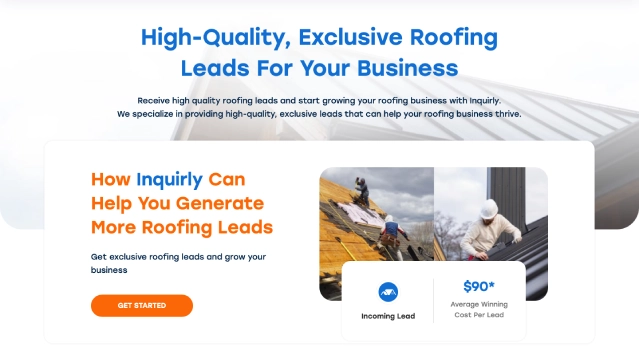
The average winning cost per lead is around $90, offering a balance between affordability and quality. This means that many businesses find good value when investing in these leads.

How to Contact Inquirly for Roofing Leads

If you’re ready to start boosting your roofing business with high-quality leads, contacting Inquirly is simple:

  • Phone: Call (855) 387-7272 for personalized assistance and to discuss your lead generation needs.
  • Email: Reach out via help@inquirly.com for detailed information or to request a quote.
  • Website: Visit www.inquirly.com to explore more about roofing lead generation services and get started today.

Frequently Asked Questions (Q&A)

Q1: Is there a minimum number of leads I have to purchase?
A: Inquirly offers flexible packages, so you can choose the number of leads that best fits your budget and needs. Whether you want a small batch to test the waters or a larger volume to grow your business, there’s an option for you.

Q2: How quickly will I start receiving leads after signing up?
A: Once you sign up and set up your preferences, you can start receiving leads within a few days. The speed may vary depending on your location and the roofing services you offer.

Q3: What if I receive a lead that doesn’t respond or isn’t interested?
A: Inquirly offers a lead return policy for invalid or unresponsive leads, ensuring you get the value you paid for.

Conclusion

Investing in roofing leads can be a game-changer for your business, and with Inquirly, you have access to high-quality, targeted leads that give you the best chance of converting potential customers into paying clients. With a clear pricing structure, a variety of lead sources, and committed support, Inquirly is a top choice for roofing contractors looking to grow their business. Reach out to us right now to begin growing your roofing clientele.

Must-Have Online Tools for Modern Pest Control Businesses

The pest control industry is changing quickly, and it’s no longer enough to just know how to deal with pests. Having the right tools to manage your business is just as important. Today, there are many online tools available that can help make your daily tasks easier and help your business run more smoothly and profitably.

With so many options out there, how to know which tools are worth it? Which online tools can help make your work easier, keep your customers happy, and help your business grow? In this article, we’ll go over the top online tools that every pest control business should consider and how they can make a real difference in your day-to-day work. Regardless you’ve been in the industry for years or are just getting started, these tools can help you remain ahead of the competition and build a profitable business.

The Role of the Right Tools

Right online tools can make a huge difference in running a pest control business. Here’s why they matter:

First of all, keep in mind that you should work smarter, not harder. The right tools can handle a lot of the routine tasks for you, like scheduling appointments, sending reminders to customers and keeping track of your team’s progress. This means less paperwork and fewer mistakes.

Furthermore, having the right tools improves customer service. When you use online systems, customers can easily book appointments, receive updates, and even make payments from their phones or computers. This level of convenience makes their experience smoother and encourages them to return to your business and recommend your services to others.

Furthermore, these technologies provide useful insights into your company’s success. By tracking which services are most popular or which areas need improvement, you make better decisions about where to focus your efforts.

Finally, while investing in online tools might seem like an extra expense at first, they can save you money in the long run. You will handle tasks more efficiently and spend less time on things like paperwork, phone calls or chasing unpaid invoices. This means you can use your time and money on more important things, like growing your business or training your team.

Top 5 Online Tools for Pest Control Businesses and How to Use Them

  1. Google My Business
  2. PestRoutes
  3. ServiceM8
  4. Mailchimp
  5. Housecall Pro

Google My Business

Google my business tool for modern pest control businesses

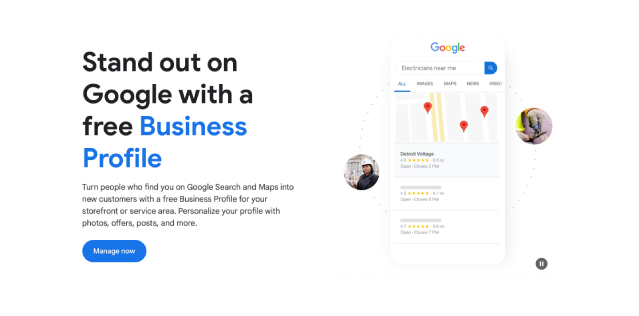
Google My Business (GMB) helps your pest control business appear in local search results, making it easier for potential customers to find you online. It also lets you manage reviews, answer customer questions and provide important information about your business, such as hours, location, and contact details.

Website: google.com

Tips for using it:

  • Make sure your business hours, services, and contact details are always updated. This helps customers find accurate information and reduces the chances of missed opportunities.
  • Ask satisfied customers to leave a review on your Google My Business page. Positive reviews boost your credibility.
  • Use the Q&A feature to respond to common questions about your services. This helps potential customers get the answers they need and shows that you’re attentive and willing to help.

.

FieldRoutes

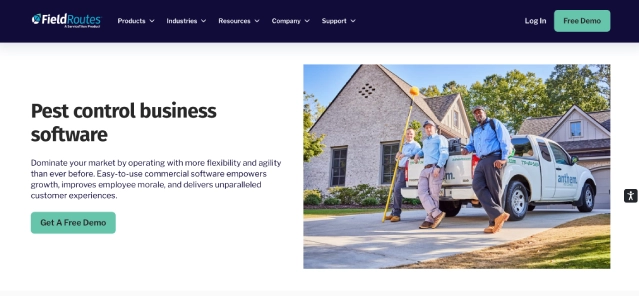
FieldRoutes is a highly effective software package created exclusively for pest control companies. It helps you organize everything from task scheduling to client database management, invoice creation and so on. With this tool, you can keep all your important business information in one place and easily access it whenever you need to.

Website: fieldroutes.com

Tips for using it:

  • Set automatic reminders for technicians to guarantee they never miss an appointment. This keeps your team organized and reduces the chances of forgotten or late visits, which helps keep your customers satisfied.
  • Use the route optimization feature to design the most efficient travel routes for your technicians. This can save you a lot of time and money on fuel, especially if you have several appointments scheduled in different areas.
  • Apply the detailed reports that FieldRoutes offers. You can track things like job completion rates, customer satisfaction, and revenue, which can help you identify what’s working well and where you might need to improve.

.

ServiceM8

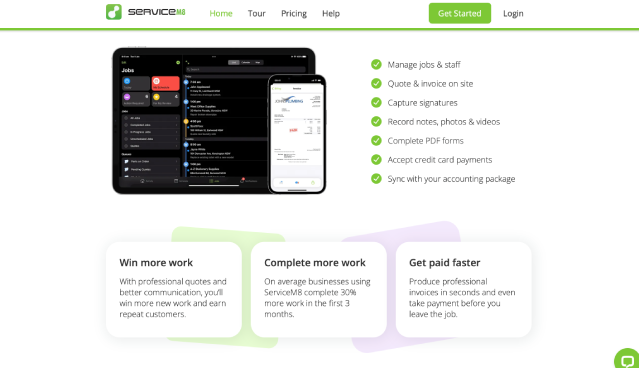
ServiceM8 helps you manage all parts of your pest control tasks, including initial quotes to job scheduling, invoicing and client communication. It’s a flexible tool that can be adapted to fit the needs of businesses of all sizes.

Website: servicem8.com

Tips for using it:

  • Assign tasks to your technicians depending on their availability and location. This guarantees that you’re making the most of your team’s time while reducing unnecessary travel.
  • The built-in communication option allows you to send SMS or email reminders to customers about upcoming appointments, minimizing the likelihood of forgotten visits.
  • ServiceM8 allows you to create and send invoices instantly after a job is done. It helps you to speed up your cash flow and reduce the risk of missing bills.

.

Mailchimp

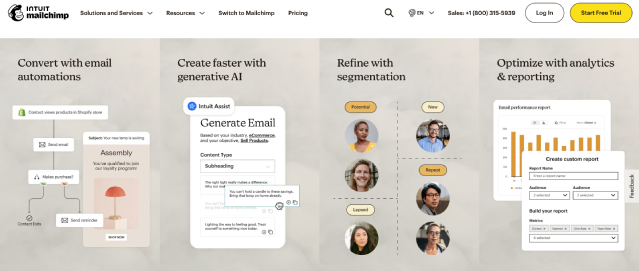
A user-friendly email marketing tool that keeps you in contact with your clients. You can create newsletters, and promotions, as well as, automate emails to keep your customers engaged and informed.

Website: mailchimp.com

Tips for using it:

  • Divide your email list into groups according to past services, location, or interest in certain types of pest control. This way, you can send targeted messages that are more likely to grab their attention and encourage them to take action.
  • Apply automated emails for regular reminders, such as follow-ups after a service or tips on pest prevention during certain seasons.
  • Mailchimp offers detailed analytics that tells you how many people opened your emails, clicked on links or took action. Use this data to see what’s working and adjust your campaigns for better results.

.

Housecall Pro

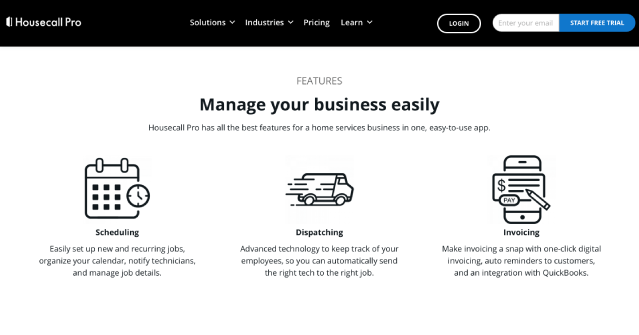
Housecall Pro is an all-in-one tool that helps manage all aspects of management, including scheduling jobs, invoicing and payment. It’s a great option for pest control businesses trying to streamline their operations and keep everything under one roof.

Website: housecallpro.com

Tips for using it:

  • Customers can easily book services through an online portal, which makes the whole process quicker for both them and you. You won’t have to deal with as many phone calls or emails to arrange bookings. Plus, since the schedule updates in real-time, it helps prevent any mix-ups or double bookings.
  • Set automated follow-up messages once a job is completed. This can be a simple thank-you note, a request for feedback, or an invitation to leave a review. These follow-ups can improve your reputation and build your relationships with customers.
  • Use Housecall Pro’s payment processing feature to handle transactions quickly and securely.

Common Questions

Q1: Are online tools expensive for small pest control businesses?

A: Not necessarily. Many online tools offer scalable pricing, with basic packages that cater to small businesses. Start with essential tools and upgrade as your business grows.

Q2: Do I need technical expertise to use these tools?

A: No, most of these tools are user-friendly and come with tutorials and customer support to help you navigate their features. As you get more comfortable, you can explore advanced functions to enhance your operations.

Q3: Can I integrate these tools?

A: Yes, many online tools are designed to work together easily. For example, you can connect Mailchimp with your customer management software to send automated emails.

Conclusion

Using the right online tools can make a big difference in how you run your pest control business. These tools help you save time, keep things organized, and make it easier for your customers to book your services. Using these tools can help you stay competitive, and make your company more profitable and customer-friendly.

SEO for Roofing Companies: How to Rank Higher on Google

Running a roofing company means balancing many things, such as, managing crews, keeping track of materials and most importantly, finding new customers. However, in a highly competitive business, how do you ensure that potential clients find you first when searching for roofing services online? The answer is SEO, a set of methods that can help your company get to the top of Google’s search results. Unlike ads, SEO focuses on building long-term visibility, making sure that your company is noticeable and stands out when it matters most.

Get Exclusive Roofing Leads

Contact us

How SEO Helps Your Roofing Company Rank Higher

When it comes to getting your roofing company front and center in Google search results, search engine optimization (SEO) is essential. Here’s how SEO can improve the online presence of your business:

  • Better Visibility: If you use the appropriate keywords while optimizing your website (such as “roof repair,” and “roofing services near me”), Google is more likely to display your website to potential clients who are looking for these terms.
  • Domination in Local Searches: Search engine optimization (SEO) makes your roofing business show up in local searches, like “roofing contractor in [your city].” This is particularly important for companies that specialize in particular regions.
  • Authority: People tend to have more trust in businesses that appear first in search results than in those that appear later.
  • Improved User Experience: There is more to SEO than just keywords. A well-optimized website improves user experience and maintains visitor engagement by being responsive, fast, and simple to use on mobile devices.
  • Permanent Growth: SEO is a long-term investment that may continuously generate visitors and leads, in contrast to paid advertising, which quits to provide results as soon as you stop paying.

5 Tips to Rank Higher on Google

Here are five important SEO strategies for your roofing business, along with the resources you can use to put them into practice:

1. Make Local SEO optimization

Business showing up in local search results is the main goal of local SEO. Since most roofing businesses serve specific regions, local SEO can directly place your business in front of those who live in your area.

How to Do:

  • Take control of and upgrade your Google Business Profile. Make sure the name, address, and phone number of your company are accurate and up to date on all platforms.
  • Remind satisfied customers to post reviews, as positive feedback boosts your rankings.

.

⚙️Tools: Google Business Profile and Moz Local

2. Research and use targeted keywords

Keywords are the terms that potential customers enter into search engines when they require roofing services. Google will have a better understanding of your website’s content if you use these keywords.

What To Do:

  • Conduct keyword research to determine what your target audience is searching for.
  • After determining, use these keywords naturally on your website, blog posts, and service descriptions.

.

⚙️Tools: Google Keyword Planner, Ahrefs, and SEMrush

3. Content

A roofing website having a single, generic page with vague details about services doesn’t inspire much confidence, does it? When it comes to SEO, the quality of your content is needed. Google prioritizes websites that offer rich, relevant, and well-structured information. High-quality content on each of your services is crucial not just for ranking but also for building trust with your audience.

What to Do:

  • Quality first: When writing content for your service pages, make sure the material is useful to your audience. Explain the roofing process, common concerns, how your roofing business addresses them, and why it is important. Include information about materials, time frames, warranties, and what makes your roofing services unique.
  • Be detailed and organized: Don’t combine all of your services into a single page labeled “Roofing Services.” Instead, create dedicated, detailed pages for each type of service, such as  “Shingle Roof Installation,” “Metal Roofing,” and so on. It provides visitors with the information they are looking for and helps Google to better understand your area of expertise.
  • Demonstrate your competence: Each service page should highlight your company’s expertise in that specific field. Include case studies, project images, client testimonials, and comprehensive reviews of your technique.

.

⚙️Tools: RankMath and Yoast SEO 

4. Optimize Images

Roofing websites often feature high-quality images of completed projects, but large image files can slow down your site and hurt your rankings. Properly optimized images can improve load times and contribute to SEO.

What to Do:

  • Compress your images without sacrificing quality using image optimization tools.
  • Use descriptive file names and add alt text that includes relevant keywords (e.g., “roof-repair-in-[city]”).

.

⚙️Tools: ShortPixel and Photopea

5. Build Backlinks

Backlinks are links from other websites that redirect to yours, they play an important role in Google’s ranking algorithm. In other words, the more reputable websites link to your roofing company, the more trustworthy your website will appear to Google.

What To Do:

  • To promote your roofing services, reach out to home improvement blogs and even local news websites.
  • You can also guest post on relevant websites in exchange for a link.
  • Make sure that all backlinks are from high-quality, trusted sources.

.

⚙️Tools: Ahrefs and SEMrush

Difficulties You Might Face

  1. If you live in a big city, ranking at the top of Google can be tough due to the number of competing roofing companies. This requires ongoing efforts over time. 
  2. Google’s algorithm is often updated, which can affect your rankings. It is important to keep up with these changes and modify your plan accordingly.
  3. SEO may face technical issues such as website structure, HTML tags and page load times. If you lack knowledge in these areas, consider hiring an SEO professional.

Common Questions You Might Ask

Q: How long does it take to see benefits from SEO?

A: SEO is an ongoing process, and while tiny gains can be seen in a few months, major improvements in rankings often take 6-12 months.

Q: Should I hire an SEO specialist for my roofing company?

A: While you can do basic SEO on your own, hiring an SEO specialist or agency can save you time and ensure that you’re adopting the best methods for your roofing business.

Q: What is the difference between organic and paid search results?

A: Organic search results are free listings that appear as they match the search keywords, while sponsored search results are ads that businesses pay to display at the top of the page. SEO aims to improve organic rankings.

Conclusion

Ranking better on Google is about more than visibility, it’s about attracting local clients, building trust and expanding your roofing business. SEO keeps you ahead of competitors who use out-of-date approaches or temporary solutions. It helps you get local leads and establish long-term partnerships. Remember to stay consistent, and adapt to changes, and over time, you’ll see the results your roofing company deserves.

SEO Tips for Pest Control Businesses

Running a pest control business means you’re always on call, ready to handle emergencies that can quickly turn someone’s day upside down. Nowadays, when people need to get new goods or services, their first instinct is almost always the same, they search online. Pest control is no exception. So, the question is: when potential customers in your area search for pest control, does your business show up? If you’re not visible on search engines, you’re likely losing those customers to competitors who are.

Get Pest Control Leads

Contact us

A website is necessary, but just having it isn’t enough. You have to make it visible to those who are looking for the services you provide. Search Engine Optimization (SEO) is all about making your business easy to find online and putting it in front of the right people at the right time.

In this article, we’ll look at why SEO is important for your pest control business and provide useful recommendations for improving your visibility, driving more traffic to your website and eventually gaining more clients.

Why it Matters:

SEO is the gateway to getting noticed online and converting that visibility into customers.

  • Visibility 90% of users don’t look past the first page of Google. If your website isn’t there, it might as well not exist to them.
  • Credibility People trust Google’s rankings. The higher your business appears, the more credible it seems to potential customers.
  • Increased Leads Higher visibility naturally leads to more website traffic, and in turn, more leads. If they can find you quickly, they’ll call you first.
  • Local Relevance SEO can help you rank higher for searches that matter in your service area, like “ bug exterminator [city name].”

7 SEO Tips for Pest Control Businesses (With Tools)

To give your pest control business the best chance of standing out, here are 7 actionable SEO tips you can start using today. Whether you’re doing it alone or with a digital marketing specialist, these strategies will help you move up the search rankings.

1. Optimize for Local SEO

optimization

Most people looking for pest control services are searching locally. They need someone to solve their problem quickly, so they often include terms like “near me” or use specific city names. Claim and optimize your Google My Business profile. This is crucial for ranking in local searches and Google Maps. Include accurate business information (name, address, phone number), business hours, and relevant categories (like “pest control service”). Don’t forget to add photos and encourage customers to leave reviews!

Tool: Google My Business (Free)

2. Use Keywords

SEO for pest control keyword

Keywords are what connect your business to potential customers’ search queries. The more relevant your keywords are, the more likely you are to show up when they search.

looking for pest control services in your area. Make sure these keywords appear naturally in your website’s content, especially in key areas like page titles, meta descriptions, headers and service pages.

Tools: Google Keyword Planner (Free); SEMrush (Paid)

3. Build Backlinks

SEO for pest control backlinks

Backlinks, or links from other trustworthy websites to yours, indicate to Google that your site is reliable and credible. The more quality backlinks you have, the higher your site will rank.

Earn backlinks by writing guest blog posts for industry websites or partnering with local businesses for cross-promotion.

Tools: Ahrefs (Backlink Analysis)

3. Create Quality, Informative Content

Google prioritizes websites that provide value to users. Google prioritizes websites that offer value to users. A blog or FAQ section on your website that answers frequently asked questions (such as “How do I get rid of ants?”  can increase traffic and trust. Create a content strategy and publish articles or updates to your website on a regular basis. This shows customers that you are an expert in pest control. Cover common issues, seasonal pest problems, and useful tips that attract more visitors.

Tools: AnswerThePublic (Keyword Ideas); Grammarly (Content Quality)

4. Improve website speed and Make it Mobile-friendly

SEO for pest control speed

People looking for any services are often in a rush. If your website takes too long to load, they’ll bounce off and visit a competitor’s site. Google also uses website speed and mobile optimization as ranking factors. Compress images, reduce code bloat and make sure all works smoothly on mobile devices. A mobile-friendly design is essential because most local searches are done on smartphones.

Tools: Google Page Speed Insights (free)

5. Use Structured Data

SEO for pest control data

Structured data (also known as schema markup) helps search engines better understand the content of your website. This increases your chances of appearing in rich snippets, local packs, and other advanced search features.

Add structured data to your site, particularly for local business listings. This helps Google display your company’s information clearly in search results.

Tool: Google Structured Data Markup Helper

With vs. Without SEO: The Difference It Makes

Let’s consider a scenario where you’ve implemented an SEO strategy versus one where you haven’t.

With SEO:

  • Higher visibility
  • More leads
  • Credibility and trust
  • Consistent traffic

Without SEO:

  • Lost opportunities
  • Missed leads
  • Increased ad spending
  • Less credibility

Without SEO, search engines struggle to recognize your website as relevant for potential customers’ queries, pushing it further down the rankings. This makes it harder for people to find you, resulting in fewer leads and more business going to competitors who rank higher. In response, you may rely on paid ads to gain visibility, but this approach is often costly and only provides short-term results. Unlike SEO, which builds long-term, organic traffic, paid ads stop working as soon as you stop paying, making it less sustainable for ongoing growth.

For more information, check out How to Rank Higher on Google

Frequently Asked Questions

Q: Should I employ an SEO specialist or do it myself?
A: It all depends on your budget and available time. DIY SEO is possible, particularly for basic procedures like keyword research and content development; however, for advanced tactics (such as technical SEO), experts can help you realize faster and more significant outcomes.

Q: Is SEO expensive?
A: SEO does not need to be costly. While some tools and services have a fee, many basic SEO strategies (such as optimizing your Google My Business profile) are free.

Q: How long does SEO take to work?
A: SEO is a lengthy process. You can start seeing small improvements in a few weeks, but for significant results, expect 3-6 months. Consistency is key.

Conclusion

Maintaining an active online presence and adding fresh content to your website regularly will improve your search engine rankings and also your reliability and reputation among potential clients. SEO helps you communicate with the correct audience in addition to drawing in visitors. By putting these 7 tactics into practice, your company can position itself as the leading provider of pest control services in your area, giving you a competitive edge when it matters the most.

Top Roofing Industry Trends to Watch in 2024-2025

Have you noticed how much the roofing industry has changed in the last few years? What was a straightforward process has now evolved into a world filled with high-tech innovations, eco-friendly options and designs that combine functionality with style.

The roofing industry is no longer just about protecting homes. Today, it’s about energy efficiency, sustainability and even smart technology. For instance, thanks to advancements like solar panels, roofs can now generate power for your home, save your energy costs, and help the environment.

However, why is this important? Roofing trends are changing to satisfy the needs of consumers and businesses that are becoming more aware of their energy use and environmental impact. Roofing companies that stay informed about these trends can offer better services to their clients and succeed in a highly competitive market.

In this article, we’ll explore the top roofing trends to watch in 2024 and 2025, explain why staying updated on these trends is critical, and offer useful tips and tools to ensure you’re ready for the changes ahead.

Why Keeping Up with Roofing Trends Matters

Staying updated in the roofing world is not just following what’s popular, it also means staying competitive and on track. Roofing is a huge investment for homeowners, and they want the best solutions that can last for decades while also being energy-efficient and eco-friendly. As a business owner, you’ll want to offer these solutions to attract new clients. Plus, newer materials and technology often mean better durability and performance, which could save you and your clients time and effort in the long run.

Top 5 Roofing Industry Trends in 2024-2025

1. Solar Shingles

Solar shingles are quickly becoming one of the most exciting innovations in the roofing industry. They are designed to function as both roofing material and energy generators. They blend seamlessly into the roof’s structure and offer homeowners to create sustainable energy without compromising the beauty of their homes.

In sunny areas, these shingles can make a noticeable difference by generating electricity directly from your roof. As the technology gets better, solar shingles are producing more energy, even when the sun isn’t at its strongest. On top of that, many places offer incentives like tax breaks or discounts, which help reduce the overall cost. With a rising focus on sustainable energy, solar shingles are expected to become a standard feature on new roofs in the near future.

2. Cool Roofs

With climate change causing warmer summers, cool roofs seem to be growing in popularity. A cool roof is designed to reflect more sunlight than a standard roof and absorb less heat. These roofs are typically made from materials that are highly reflective, like certain tiles or coatings. They help to regulate the temperature inside the home, which reduces the need for air conditioning, resulting in lower energy bills.

Cool roofs also protect the roofing materials themselves. Excessive heat can cause traditional roofing materials to break down more quickly, leading to cracks and the need for regular repairs. Since cool roofs reduce heat absorption, they can also extend the lifespan of the roof, cutting down on long-term maintenance and replacement costs.

3. Synthetic Slate Roofing

Synthetic slate roofing offers homeowners the elegance of traditional slate without the concerns. Natural slate has long been valued for its durability and classic look, yet it also has some serious drawbacks, such as being heavy, expensive and difficult to install. These problems are solved with synthetic slate, which has the same visual appeal at a significantly lower weight and expense.

Synthetic slate, which is made of materials like plastic or rubber, is intended to resemble actual stone and gives homes a luxurious look. Beyond appearances, though, it provides amazing durability. It is resistant to severe weather, including strong winds, heavy rains and even hail. Synthetic slate is more resilient and flexible than the traditional one. In addition to its durability and visual appeal, synthetic slates are made from recycled materials, making them more eco-friendly. To sum up, it is an attractive option for homeowners looking to reduce their environmental footprint and still enjoy a high-end look.

4. Custom Roof Colors

A new trend, Custom roof colors is giving homeowners more design freedom than ever before. Traditional roofing materials typically come in muted colors: grays, browns and blacks, but this is changing as more people are looking to personalize their homes with wider options.

For the roofing industry, this trend means expanding product offerings to include a wide variety of colors and finishes. Moreover, custom roof colors reflect a broader shift in the industry toward home design as a form of self-expression. Homeowners want to personalize every aspect of their homes, and the roof is no exception. This is especially important in areas with historic or architecturally unique homes, where custom colors help preserve or enhance the character of the property. In response to these demands, roofing companies are investing in new technologies and color-fast materials to meet consumer expectations.

5. Drone Inspections

Drone roof inspections are changing the way professionals and homeowners assess roof conditions. , inspecting a roof required ladders, scaffolding, and significant labor, often with potential risks of accidents or missed spots due to limited access to certain areas. Drones eliminate these obstacles, allowing inspectors to take high-resolution photos and videos of the roofs without ever setting foot on them. This technology is particularly useful for large or complex roofs, where certain areas may be difficult to access safely.

Drones equipped with powerful cameras and sensors can identify early signs of damage, such as leaks, cracks, or weak spots in roofing material. Many drones also come with thermal imaging capabilities, which can identify heat loss or insulation problems. This makes drone inspections faster and precise than traditional methods. For contractors, the benefits are clear, less time on-site, reduced risk of accidents and better service for their clients. And for homeowners, it means quicker, more accurate diagnostics, often at a lower cost.

Helpful Tips and Tools

  • Use 3D modeling or project management software to visualize roofing designs and improve workflow efficiency. Software like RoofSnap allows contractors to create precise roof models based on real property measurements.
  • For project management, tools like JobNimbus help track jobs, schedule tasks and manage both materials and labor, keeping everything organized and on track.
  • If you’re a contractor, drones are an essential tool for accurate and efficient roof inspections, especially for large-scale projects. DJI offers a range of high-quality drones designed for construction and inspection purposes. The DJI Mavic 3 Enterprise is a great example, offering advanced cameras and GPS capabilities to capture detailed roof footage.
  • If sustainability is a priority, work with suppliers who offer eco-friendly materials. Companies like GAF Energy are leaders in the field, offering innovative solar roofing systems that integrate directly into the roof. It is not only good for the planet, but it’s also a big selling point for eco-conscious clients.

Challenges You Might Face

For roofing business owners, one of the biggest challenges is managing the initial costs associated with adopting advanced materials and technologies. Investing in solar shingles, drones or energy-efficient roofing systems often requires significant capital.

Another challenge is the skill gap that comes with introducing new technologies. Integrating tools like drones for inspections or AI software for project management requires training and expertise. Many contractors may need to invest time and resources into upskilling their workforce, which can temporarily slow down operations.

Related Questions

How can I offer the most suitable energy-efficient roofing solutions for different climates?

Understanding which energy-efficient materials work best in various climates is essential for your business. For example, cool roofs may be more appropriate in hotter regions, while insulated materials like metal or foam may provide better protection in areas with fluctuating temperatures.

What long-term value can I demonstrate to customers when promoting sustainable roofing solutions?

When promoting sustainable roofing, emphasize long-term savings from reduced energy bills, lower maintenance costs due to durability, and the environmental benefits of reduced waste and carbon emissions. These factors add value beyond the initial investment, appealing to eco-conscious and cost-aware clients.

How can I integrate solar roofing options without disrupting ongoing projects?

To integrate solar roofing options without disrupting ongoing projects, plan by coordinating with certified solar installers early in the process.

Conclusion

The roofing industry in 2024-2025 is seeing a dynamic shift towards sustainability, technology and customization. Staying informed about these trends ensures that both homeowners and contractors can take full advantage of innovative solutions. Technologies like solar shingles, drones, and eco-friendly materials are changing how roofs are built, maintained and used. Remaining adaptable and knowledgeable is key to success as the industry continues to evolve.