Tag Archives: HVAC

Creating Engaging HVAC Content for Your Blog 

If you’ve already started a blog for your HVAC business or are considering it, we have good news – you are on a great path! Blogging is an effective way to engage with your audience, share useful information and establish your expertise in the HVAC industry.

Research shows that businesses that blog get 55% more website visitors than those that don’t. Sounds good, right? Now that we know how beneficial blogs are for the business, let’s focus on how to write quality ones that will engage and bring in more clients.

In this article, we’ll cover key strategies to create compelling HVAC blog content that not only captures your readers’ attention but also drives traffic and turns visitors into customers.

Why Blogs are so Important

Nowadays, we all turn to the internet for answers before making any decisions. It works the same way for individuals in need of HVAC services. Whether they’re searching for maintenance tips, troubleshooting advice, or information on the latest HVAC technologies, your blog can be the go-to resource they rely on.

A well-maintained and up-to-date blog helps you build trust with viewers and demonstrate your expertise. The more valuable content you provide, the more likely you are to attract the audience. Additionally, consistent blogging improves your website’s visibility on search engines, making it easier for potential clients to find you.

But what exactly makes a blog post engaging and effective? Let’s explore some strategies to help you create compelling HVAC content.

Basics to start with

Creating engaging and effective HVAC content requires a strategic approach. Understanding your audience is the foundation of creating engaging content. Are they homeowners looking for just maintenance tips or business owners needing large-scale HVAC installations? Knowing your audience’s needs and pain points allows you to tailor your content to address their specific concerns.

Another step for your blog is to get traffic and for this, search engine optimization (SEO) is essential. These tips below add value to your posts and boost SEO performance. Let’s take a look at the process:

  • Conduct keyword research
  • Integrate relevant terms into your content
  • Craft compelling meta-descriptions.
  • Use internal and external links.

Once you’ve found and incorporated your keywords, it’s crucial to keep your blog updated with fresh content. Regular updates are essential for maintaining reader interest and boosting your SEO rankings. Consistently publishing new posts, whether weekly or monthly, ensures that your content remains relevant and engaging.

Last but not least, use analytics tools like Google Analytics to track metrics such as page views and average time on a page. This data helps you know more about what types of material your audience prefers and make data-driven decisions.

Creative tips

Energy Efficiency Hacks

Many homeowners and companies prioritize energy efficiency. Sharing innovative ways to make HVAC systems more energy-efficient can help readers save money on their energy bills and make your content highly engaging and shareable. For example, you can write a blog with the headline “Top 10 Energy-Saving Tips for Your HVAC System.” Provide a list of practical tips, such as fixing leaks and performing regular maintenance. For more interesting content, include energy-saving myths to discredit popular beliefs.

Troubleshooting Guides

Troubleshooting guides allow your readers to detect and resolve small HVAC issues on their own, it saves them time and money. In your blogs, you can outline common problems and their solutions. Step-by-step troubleshooting guides are especially helpful.

Write blog articles, such as “Why Is My Air Conditioner Blowing Warm Air?.” Explain potential causes, for example, dirty filters or thermostat issues. Provide troubleshooting steps and indicate when to call a professional.

Product Reviews and Comparisons

Reviewing the current HVAC products provides helpful information about the latest HVAC technologies. Additionally, comparing their features and benefits helps readers make informed decisions. Providing detailed and unbiased reviews transforms your blogs into trusted sources of information.

As an example, feel free to write a blog similar to “Best Smart Thermostats of 2024.” Compare popular smart thermostats, detailing their features and user reviews. Highlight the pros and cons and provide a final recommendation based on different user needs.

DIY Maintenance Tips

Sharing DIY maintenance tips in your blogs allows homeowners to be proactive in maintaining their HVAC systems. By providing clear instructions, you can help readers extend the life of their equipment and enhance its efficiency.

Try writing blogs like “3 simple DIY HVAC maintenance tips.” Include tasks such as cleaning or replacing filters and inspecting outdoor units. Share simple instructions and safety tips.

Case Studies

Sharing success stories or case studies of satisfied customers can build credibility and trust. They present direct proof of how your services have helped others, giving validity to your claims. Consider the following formats – “How We Improved Energy Efficiency for a Local Business.” Describe the issues that a firm encountered, the solutions you executed, and the outcomes you achieved. Include before and after data to demonstrate the impact of your efforts.

Constructing Good Blog Articles

1. Craft an Appealing Headline

Your headline is the first thing readers see, and it determines whether they will click on your article. Make sure it is attention-grabbing and conveys the value of the content.

  • Be Clear and Specific – avoid vague titles.
  • Use Numbers and Lists – headlines such as “7 Tips for Maintaining Your HVAC System.”
  • Include keywords – use appropriate keywords to boost SEO.

2. Begin with a Strong Introduction

The beginning should grab your readers’ interest and encourage them to keep reading.

  • Start by addressing a frequent issue that your audience faces.
  • Briefly describe how the article will provide useful solutions or insights.
  • Engage readers by providing an interesting fact or statistic on the topic.

3. Structure Your Content

Well-structured text is easier to read and comprehend.

  • Use Subheadings.
  • Keep paragraphs short – try for 2-4 phrases each.
  • Use bullet points or numbered lists to make information easier to absorb.

4. The tone you write in

The tone matters. Writing in a conversational tone helps your blog posts be more relevant and engaging to your readers. It helps create a connection with your audience and makes the content feel more approachable.

  • Write with a conversational tone.
  • Avoid Jargon – use simple, clear language.
  • Use “You” and “Your” – address your readers directly to make the content feel more personal.

5. Use Visuals

Visual components can help your content stand out and make it more attractive.

  • Include images.
  • Add infographics to summarize complex information in an easy-to-understand format.
  • Upload topic-related videos.

Conclusion

Remember, your blog is more than simply a place to share knowledge; it’s also a tool to build trust, demonstrate expertise, and create a community around your HVAC business. Writing compelling HVAC content is a skill that requires understanding your audience, offering relevant information and presenting it in a relatable way. By knowing who you’re writing for, you can attract and retain a loyal readership.

Through implementing these above-stated ideas and tips, you’ll find yourself well on your way to developing captivating HVAC content that not only attracts new users to your website but also converts them into loyal clients.


The Role of PPC Advertising in HVAC Lead Generation 

Looking for ways to generate more leads for your HVAC business? Obtaining quality leads is indeed essential for the growth and long-term viability of your company. Pay-per-click (PPC) advertising is one of the best strategies to draw in new clients and turn them into leads. Businesses generate $2 in income on average for every $1 they spend on Google Ads. This data underlines the importance of PPC advertising as a very effective marketing approach.

Get Exclusive HVAC Leads

contact us

In this article, we will investigate the role of PPC advertising in HVAC lead generation and provide practical advice on how to use this effective marketing tactic to achieve business success.

Let’s first get better insights into PPC itself.

Understanding PPC advertising

PPC advertising is a type of online marketing in which advertisers pay a fee whenever one of their advertisements is clicked. These advertisements are displayed on search engine results pages (SERPs), social media platforms, and other websites. The key benefit of PPC advertising is the ability to target specific audiences, ensuring that your advertisements reach potential clients who are actively looking for HVAC services.

The Importance of PPC Ads in HVAC Lead Generation

  1. Instant visibility and results

One of the major advantages of PPC advertising is the immediate visibility it offers. compared to organic SEO efforts, which can take months to provide results, PPC advertising can appear at the top of search results almost immediately. This immediate visibility is critical for HVAC firms, especially during busy seasons when clients require rapid assistance.

✍️Tip:

  • To increase visibility, use ad extensions such as call and location extensions. These can boost the size of your ad and include more contact information right in it.

2. Targeted Audience Reach

PPC advertising enables HVAC businesses to target certain demographics, regions, and search intents. Using targeted keywords ensures that your advertising is noticed by people actively seeking HVAC services in your area. This precision targeting boosts the possibility of producing high-quality leads that will convert into paying clients.

✍️Tip:

  • Use negative keywords as a filter to eliminate unrelated traffic. To prevent paying for clicks from those looking for commercial HVAC services, for instance, put “commercial” as a negative keyword if you only provide home HVAC services.

3. Affordable Marketing

PPC is a low-cost marketing method, you only pay when someone clicks on your ad. You can manage spending by setting daily or monthly budgets and optimizing your campaigns depending on performance. This financial management enables HVAC organizations to maximize their return on investment (ROI) by focusing on the most effective ads and keywords.

✍️Tip:

Begin with a minimal budget and progressively increase it as you learn which keywords and ads perform best. This method allows you to reduce risk while increasing ROI.

Key Strategies for Effective PPC Advertising in HVAC

1. Research and Selection of Keywords

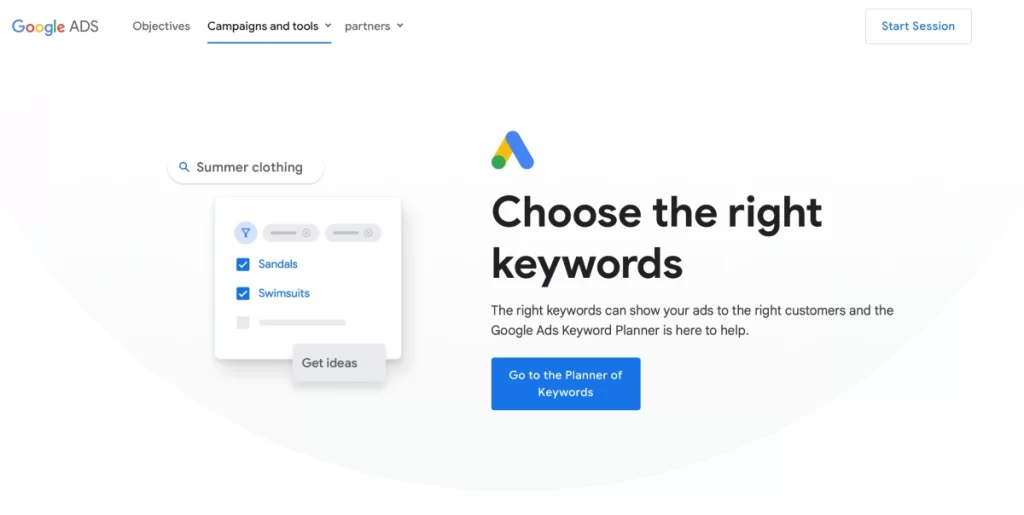
To identify the terms and phrases that prospective clients use while looking for HVAC services, conduct thorough keyword research. Focus on long-tail keywords that indicate high intent, for example: “emergency AC repair.” Also, apply tools such as Google Keyword Planner to identify pertinent keywords and evaluate search volumes and levels of competition.

✍️Tip:

Regularly refresh your list of keywords according to seasonal trends. For instance, prioritize “air conditioning repair” in summer and “furnace maintenance” in winter.

2. Landing Page

Make sure the landing pages your ads direct to are optimized for conversions. The landing page should have a clear call to action, run fast, and be relevant to the content of the ad. In addition, incorporate client recommendations, service guarantees and contact details.

✍️Tip:

A/B tests different landing page elements, such as headlines, images and CTAs. This way you can determine which versions convert best.

3. Ad Copy

Write strong marketing material that promotes the special features of your HVAC services. Add visible calls to action (CTAs) that encourage viewers to click on the ads and get in touch with your company. Use ad extensions, such as location, call and site link extensions, to provide additional information and make it easier for potential customers to reach you.

✍️Tip:

When designing your CTAs, use language that draws attention to action, like “Get Your Free Estimate Now”

4. Campaign Monitoring

Keep an eye on your PPC ads to track their effectiveness and if necessary, make any required changes. Examine important data like cost per conversion, conversion rates and click-through rates (CTR) to determine what is effective and what needs improvement. Also, use A/B testing to evaluate several ad variations and improve the performance of your campaigns.

✍️Tip:

In your PPC platform, set up automated rules to adjust bids, cancel ineffective advertising, and give extra funds to campaigns that are performing well.

Benefits of PPC Advertising

PPC advertising has many advantages for HVAC companies trying to expand their audience along with generating leads. HVAC companies can obtain high ROI by carefully selecting potential clients and optimizing their advertising efforts. The following are some key benefits of PPC marketing for HVAC companies:

Flexibility
💰Higher Conversion Rates
📢Brand Recognition

.

Flexibility

PPC advertising is adjustable and flexible. Campaigns can be swiftly modified in accordance with budgetary shifts, seasonal demand and campaign performance. This flexibility enables HVAC companies to react to changing market conditions and take chances to expand.

Higher Conversion Rates

PPC visitors are 50% more likely to purchase organic visitors, according to statistics. This highlights the effectiveness of PPC in driving conversions. The rates can be greatly raised by targeting users with high intent and by optimizing your ads and landing pages.

Brand Recognition

Even if users don’t click on your ad, seeing your business name at the top of search results increases brand awareness. This exposure is helpful since it can assist potential customers in remembering your company and choosing your services when the time comes to make a purchase.

Conclusion

PC advertising is important for HVAC lead generation since it offers instant visibility, a targeted audience and affordable marketing options. HVAC companies can meet client expectations, remain ahead of the competition and experience sustainable growth by understanding and implementing the unique advantages of PPC advertising.

HVAC Email Marketing Ideas

Did you know that email marketing can bring in $42 for every $1 spent? That is an incredible return on investment. If you want to grow your HVAC business, email marketing should be in your list.

So, what is email marketing? In simple terms, It’s an easy and effective way to boost your reach and revenue. By sending customised emails to customers, you can promote your HVAC services, share special offers and keep them engaged.

Get Exclusive HVAC Leads

Contact Us

Before we start delving into the main part, let’s see why email marketing is truly so important and what it has to offer to your HVAC business.

Benefits of Email Marketing for HVAC

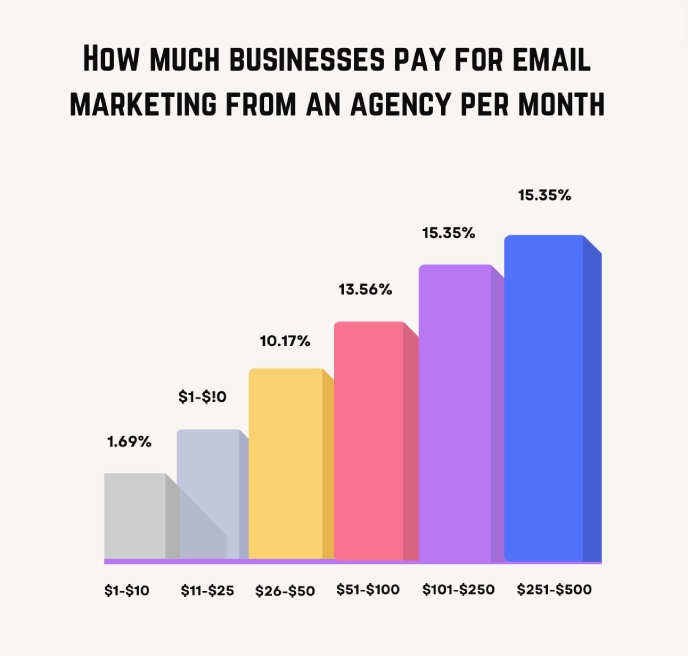
6.78% $751-$1000

10.17% $1001-$1500

3.39% $1501-$2000

5.08% $2000 +

  • Affordable – email marketing is quite cost-effective. It does not necessarily require significant investments to start. Email marketing platforms offer a range of pricing options to suit various budgets.
  • Targeted Messaging – email marketing allows you to send tailored messages to certain segments of your audience. You may personalize your messages to your customers’ needs and interests.
  • Track and Measure – email marketing platforms offer thorough analytics, allowing you to monitor open rates, click-through rates and conversions. This data helps you understand what works and what doesn’t and later adjust them to your needs and goals.
  • Customer Relationships – staying in touch with your consumers via email regularly promotes solid relationships. You can provide useful suggestions, industry news and company updates. It keeps your company the first thing they will remember when they require HVAC services.

Top 5 Email Marketing Ideas for HVAC

  1. Promotional Offers
  2. Educational Content
  3. Customer Testimonials
  4. Loyalty Programs
  5. Follow-Up Emails

1. Promotional Offers

Send exclusive discounts and special offers to your email subscribers. For example, free check-ups or cheaper service calls for any repairs needed. Such offers can boost consumer engagement, stimulate sales during slow periods and improve customer loyalty.

Tips:

  • Use clear and engaging subject line
  • Highlight the limited-time frame
  • Include a strong call-to-action (CTA)

2. Educational Content

Educational material is giving your audience with useful knowledge to help them understand and maintain their HVAC systems. You can provide informative content such as how-to guides, maintenance tips or the latest trends in HVAC technology.

Tips:

  • Use visuals, such as infographics and videos
  • Break down complex topics into simple content
  • Address common customer questions

3. Customer Testimonials

Present positive feedback from satisfied customers, also share detailed case studies that demonstrate how your services handled specific difficulties. This promotes trust and demonstrates your reliability and expertise.

Tips:

  • Request testimonials shortly after the service is provided
  • Create a user-friendly feedback form 
  • Include client images (with permission) and detailed reviews

4. Loyalty Programs

Loyalty programs reward repeat customers and encourage ongoing engagement with your business. These programs may provide points for each purchase, discounts on future services or exclusive access to special offers.

Tips:

  • Make sure customers understand the benefits of the program
  • Remind clients of their point balance and available rewards
  • Provide a bonus for joining the program

5. Follow-Up Emails

Follow-up emails are sent after a service is carried out to thank clients, get feedback and continue engagement. These emails can help to assure customer satisfaction and attract potential clients. Follow-Up emails demonstrate that you value the customers and consider their thoughts.

Tips:

  • Personalize the emails with the customer’s name and specific details
  • Ask for their opinion
  • Pay attention on customer satisfaction

HVAC Email Marketing Do’s and Don’ts

Segment Your Audience

Send personalised emails to different groups based on their interests or requirements.

Personalise Your Emails

Use the recipient’s name and tailor the content to make the emails feel more special.

Offer Useful Content

Keep your audience engaged and interested by sharing helpful advices.

⛔️ Spam The Mails

Avoid sending too many emails to your subscribers, as this can cause them to unsubscribe.

⛔️ Ignore Performance Tracking

Always monitor how well your emails are performing and apply that information to improve your future communications.

⛔️ Ignore Mobile Users

Make sure your emails look good on smartphones and are user-friendly since many people read emails on their phones.

Conclusion

mail marketing offers HVAC businesses an effective way to connect with customers, boost sales and build lasting relationships. HVAC companies can successfully expand their business and increase customer satisfaction just by developing targeted advertising and sharing helpful information.

The best HVAC sales tips

Did you know that the global market is projected to expand from $240.8 billion to an estimated $367.5 billion by 2030? This means that the HVAC industry has a lot to offer since the demand for effective sales strategies is higher than ever. In other words, it is your chance to make a sales plan and get the best out of it.

In this article, we will guide you through the complexities and necessities of HVAC business sales planning, providing essential tips to help you succeed in this dynamic market.

Get Exclusive HVAC Leads

Contact Us

But before we start, let’s see why it’s actually important to get a better understanding of sales itself and the overall benefits.

🚀 Why Do Sale Skills Matter

Sales skills are important because they allow HVAC business owners to successfully demonstrate the value of their products and services to potential customers. Mastering sales allows you to build trust and loyalty while increasing conversions. There are several reasons why it’s essential, let’s take a look:

  • Increased Revenue – mastering the sales techniques leads to better conversion rates. By wisely planned sales strategy, there is a higher possibility of closing the deals and increasing the income of the HVAC business.
  • Advantage Among Competitors – HVAC companies that are better skilled in sales have a significant competitive edge, as simple as that. A good sales strategy helps you stand out and become the first choice for potential customers.
  • Customer Relationships – sales are incomplete without a focus on human relationships. When sales professionals truly understand HVAC systems, they can build stronger connections with customers and foster trust and loyalty.

5 Best HVAC Sales Tips

  1. Upselling and Cross-Selling
  2. Financing Options
  3. Package Services
  4. Referral Rewards
  5. Community Engagement Events

1. Upselling and Cross-Selling

Upselling is convincing customers to buy a more expensive version of the HVAC product than what they’re considering, whereas cross-selling means recommending supporting items or services.

For example, while selling a new HVAC system, you may upsell the consumer to a higher-efficiency model with additional amenities. Cross-selling could include providing extra services such as air quality testing. Let’s take a look at the steps:

  • Listen to what the customer wants
  • Explain how upgrades can help
  • Show examples visually
  • Offer deals for combined purchases

2. Financing Options

Offering financing alternatives can help consumers who cannot afford to pay in full. Consider partnering with banks or financing companies, they will help you to provide customers with flexible payment plans that fit their budget. Eliminating financial barriers can lead to great success and increased sales.

  • Define financing plans clearly
  • Suggest affordable monthly payments
  • Provide online payment estimators
  • Train staff to address financing questions

3. Package Services

Combining HVAC services into packages can bring a lot of benefits. For example, you may build a “home comfort package” that includes installation, maintenance visits, and extended warranty coverage for a lower price than purchasing each service separately. This tactic makes purchasing easier for potential customers and also encourages them to invest in full packages and avoid the need to return to the shop for additional items or services.

  • Determine common consumer needs (installation, maintenance and warranties)
  • Clearly explain each package’s benefits
  • Provide discounts or extended warranties for packaged services
  • Allow for customization based on individual needs and budgets

4. Referral Rewards

Encouraging existing customers to refer their friends and family to your HVAC business is an effective approach to generating new leads. Consider providing bonuses such as discounts on future services or rewards in cash for each successful referral.

  • Create a clear referral strategy with specified rules
  • Offer appealing rewards/gift cards/discounts
  • Promote the program on social media

5. Community Engagement Events

Another HVAC sales tip is to Host community events or workshops. This can help improve awareness of your HVAC firm and make it appear a more trusted option. Consider organizing educational workshops on issues like as energy efficiency and HVAC maintenance best practices. You will be able to meet a bench of people sharing common interests, network and demonstrate your industry expertise.

  • Collaborate with local businesses or organizations to hold events together.
  • Provide educational and interesting activities
  • Use social media and online channels to spread the word
  • Gather feedback to help improve future events

Things To Consider

When planning your HVAC sales strategy, consider the following key points. First of all, keep up with industry trends, competitor activities, and customer preferences to design efficient sales tactics. Then gather and analyse consumer feedback on a regular basis.

In addition, make sure that your sales practices and product recommendations follow local rules and standards to build trust and avoid legal issues.

Conclusion

In this article, we have discussed how mastering HVAC sales is important for distinguishing yourself in a highly competitive sector and achieving long-term success. Implementing the right sales strategies will help you increase your ROI and make the most of the opportunities in the HVAC market.

How To Start an HVAC Business

Growth in the HVAC industry is expected to increase by a rate of 5% over the next five years. It’s a perfect moment to start your own! In this article, we will guide you to get a better understanding of what the process looks like and what you need to know.

Get HVAC Leads

Contact us

Before we start, let’s take a look at the benefits what HVAC industry brings

The HVAC business isn’t just about fixing air conditioners and installing heaters. It’s an industry full of potential and advantages. Starting an HVAC business could be a sensible choice for a variety of reasons, such as:

  • Consistent Demand – weather is something we can’t control, so heating and cooling systems are always in demand.
  • Revenue – HVAC services frequently result in long-term customer relationships, which generate an ongoing flow of cash through maintenance and service agreements.
  • Growing Market – As technology advances and energy efficiency becomes a priority, there’s a growing market for innovative HVAC solutions.

As we see, starting your own HVAC business is a rewarding journey with plenty of potential, but it takes careful planning. Here are the top 5 steps to get you started on the right foot

🚀 Top 5 Steps How to Start HVAC Business

  1. Education and Certification
  2. Business Plan
  3. Legal Considerations
  4. Equipment and Supplies
  5. Marketing and Networking

1. Certification

Before launching your HVAC business, it’s important to obtain the appropriate education and certifications. These qualifications not only demonstrate your competence and professionalism, but they also ensure that you are in accordance with the legal regulations for operating in the HVAC industry in your area.

2. Business Plan

Business plan as a guide to follow. It specifies what services you provide, who your target audience is, how much you will charge, and how you want to expand. By following this path you make right decisions as you grow your HVAC business.

3. Legal Considerations

Starting a business means dealing with rules and regulations. You’ll need to register your business, get permits and make sure you’re following all the local laws. Keep in mind, it’s very important. This keeps you out of trouble and guarantees that you manage your firm properly.

4. Equipment and Supplies

In order to do your job well, you must have the appropriate tools. HVAC requires proper heating and cooling systems, pipes, thermostats and other types of equipment. Investing in quality equipment allows you to provide quality service for your consumers.

5. Marketing and Networking

Marketing and networking are essential tools to make your HVAC firm known to others. You can do it by digital marketing, such as, creating a professional website or using social media to connect with others and involve in your community. Also, attend industry-related events, they are truly the perfect places to network.

After establishing your company you might face some challenges with the lead generation, but we got your back. Inquirly suggests all 100% exclusive leads and improved return on investment (ROI).

✍️ Things to Consider when starting an HVAC Business

Starting an HVAC business comes with its own set of challenges and considerations. Here are a few key factors to keep in mind:

  • Competition – investigate your local market to get a good idea of who else is offering similar services and what makes them different. This will help you figure out how you can stand out from the competition.
  • Finances – prepare a detailed budget and financial forecast to ensure you have the necessary funds to cover startup costs and sustain your business during the early stages.
  • Employee Training – If you intend to hire technicians, invest in continuous training and development to guarantee they have the necessary skills and expertise
  • Customer Service – be transparent and loyal it will establish trust between the company and clients and also generate favorable word-of-mouth recommendations.

Conclusion

Starting an HVAC business needs dedication, hard work and careful preparation, but the benefits can be well worth it. Following the procedures provided in this article and taking into account the important criteria addressed will put you on track to developing a profitable HVAC business.

A Complete Guide to Google Ads for HVAC Companies in 2024

Want to grow your HVAC business using Google Ads but unsure where to begin? Do not worry, in this article, we provide all the necessary information and a complete guide to Google Ads for your HVAC business.

🔎 But before we start…

Why Google Ads for my HVAC business?

Every day, Google receives more than 3.5 billion searches. That’s a lot of people searching for things. And, guess what? Among such searches are potential consumers looking for HVAC services similar to yours. Google Ads makes your HVAC business one of the first things consumers see when they’re in need.

Get Exclusive Roofing Leads Today

Contact us

Statistics say that Google Ads attracts 246 million unique visitors each month. That is a huge number and can’t be overlooked.

Besides these eye-pleasing numbers, other benefits of Google Ads include:

  • Precise Targeting – target your audience based on factors like location, interests and online behavior
  • Measurable Performance – analytical and reporting tools to track the performance of the campaigns
  • Budget-friendly – full control over budget, flexible with any adjustment and company size
  • Instant Outcomes – drive immediate traffic to your HVAC website

🚀 Getting Started With Google Ads for HVAC

Launching your first HVAC Google Ads campaign might seem a little overwhelming but here we provide a step-by-step guide that will make this process smooth and worry-free.

1. Create a Google Ads Account

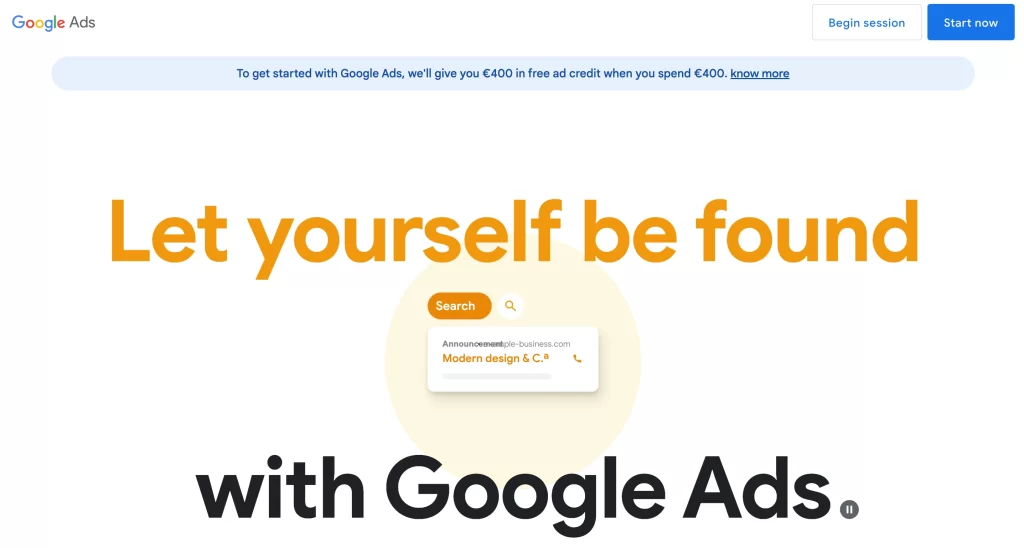
Google Ads for HVAC Log in

First, what you need to do is to visit the Google Ads website. Log in or sign up for an account if you don’t already have one. Setting up the account is easy, you just have to fill in the necessary info, such as billing information, currency and time zone.

2. Set Objectives

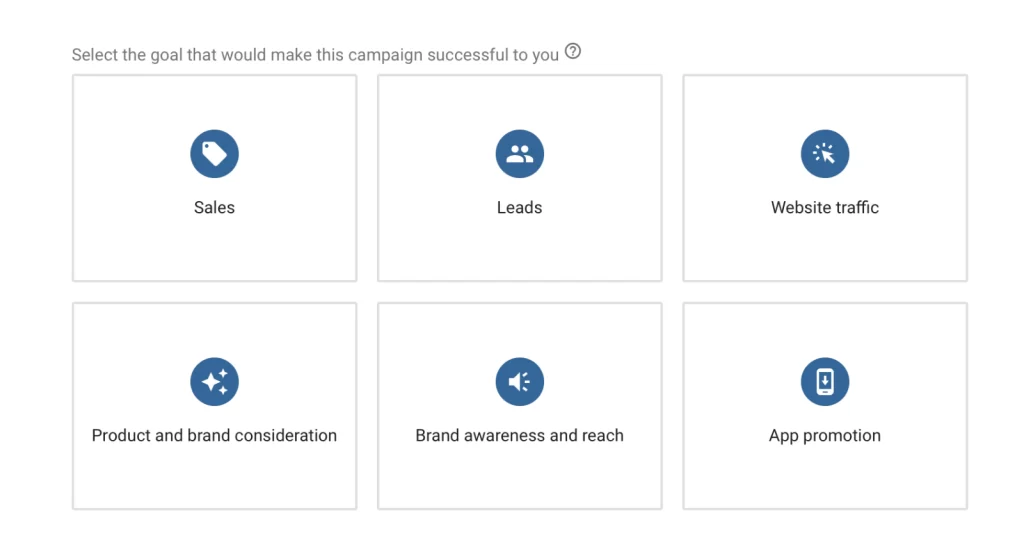
Objectives Google Ads

Before starting the campaign it is very important to have an understanding of what your objectives and goals are. In other words, what you want to achieve, for example, you are looking forward to boosting sales, generating leads or gaining website traffic…

Clear and well-defined goals help you set a campaign strategy and measure the success of your efforts.

3. Define Audience

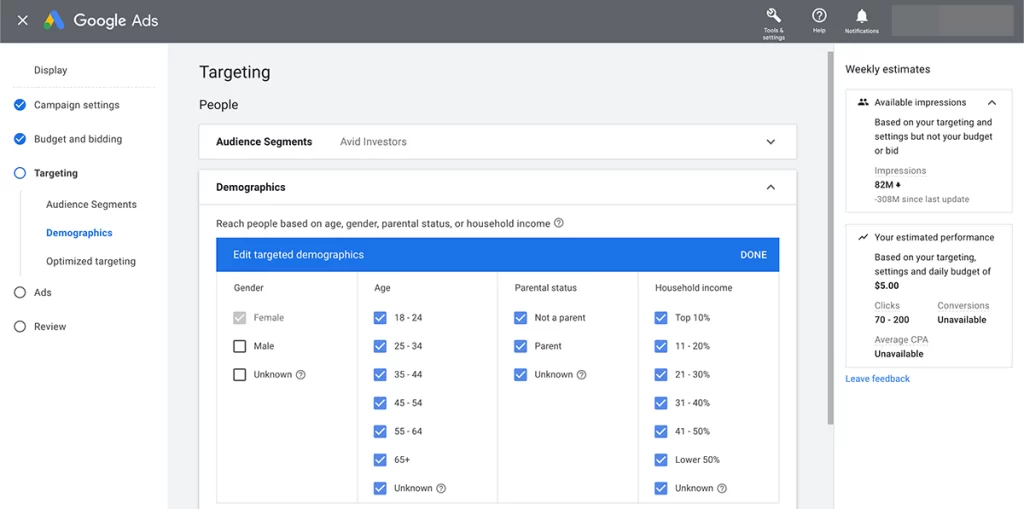
Audience Google Ads for HVAC

We have already mentioned the importance of having precise objectives and other things, but do you know what is equally important? Knowing your target audience. Your audience is who you want your ads to reach. 

Use audience targeting to reach your ideal clients based on location, interests & habits, demographics and online behavior.

By targeting the right audience at the right moment, you can enhance engagement and conversions while also optimizing your advertising spend.

4. Research Keywords

Google Ads Keyword for HVAC

Conduct keyword research to determine the terms and phrases that potential clients use while searching for HVAC services. When you get an understanding of these keywords, you can already optimize your ads to appear in relevant search results.

To conduct keyword research, you can use tools such as Google Keyword Planner or SEMrush. These tools offer important insights into search traffic, keyword difficulty and other suggested keywords related to your HVAC expertise.

5. Set Up Campaigns and Ad Groups

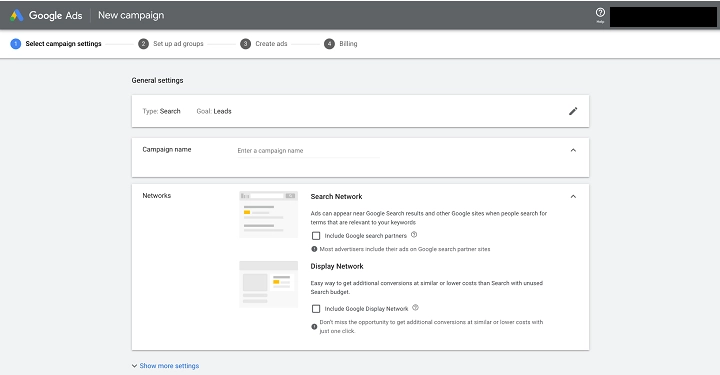
After all the above-mentioned steps are done, now it’s time to create your first campaign and choose your campaign type.

Create Your First Campaign:

  • Navigate to the “Campaigns” tab on your Google Ads account
  • Click on the blue “+” button to create a new campaign
  • Choose your campaign type based on your advertising goals. For HVAC businesses, the most common types are Search, Display and Video campaigns.
  • Follow the prompts to set up your campaign, including selecting your budget, campaign goal and targeting options.

Once you’ve created your campaign, it’s time to build ad groups within it. Consider the various areas or services you offer as an HVAC company. For example, you may create different ad groups for heating, air conditioning and maintenance.

Create Ad Groups:

  • click the blue “+” button found under the “Ad groups
  • Give your ad group a name that describes the theme or service it represents
  • Choose appropriate keywords for each ad group

6. Write Ad Copy

After you’ve set up your HVAC campaigns and ad groups, you need to create appealing ad copy that captures consumers’ attention and convinces them to take action.

  • Navigate to the “Ads & extensions” tab to create or edit ads
  • Create ad copy that highlights unique selling characteristics
  • Include important keywords

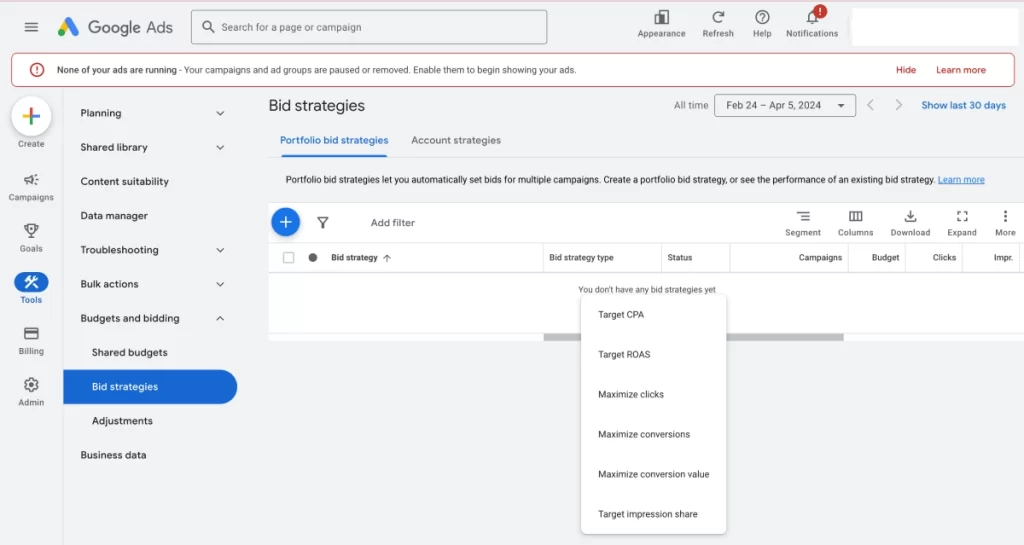
7. Set Your Budget and Bidding Strategy

Campaign Google Ads

Setting an effective budget and bidding strategy is critical for increasing the impact of your Google Ads campaigns, especially for HVAC firms and maximizing your return on investment (ROI).

  • Click on your campaign, then the “Settings” tab, and input your daily budget
  • Scroll down to the “Bidding” section and select your preferred bidding strategy

Later, keep an eye on budget usage in the campaign dashboard and adjust bids as needed. Analyze Performance to optimize results, examine campaign metrics regularly and modify strategy according to performance data.

By following these procedures you can efficiently manage Google Ads budgets and bidding for your HVAC business.

⚙️ Optimizing HVAC Google Ads campaigns

  1. To analyze performance, keep track of metrics like clicks, conversions and cost per lead
  2. A/B Test Ads, try out using various ad variations to see what works best with your target audience
  3. To achieve target CPA goals, use either automatic or manual bidding
  4. Use Negative Keywords, to avoid wasting money, exclude unnecessary queries
  5. Implement conversion tracking

Conclusion

Launching and optimizing Google Ads campaigns for HVAC businesses can be an effective way to generate leads, increase brand visibility, and eventually expand your business. Following the step-by-step instructions provided in this article will allow you to confidently navigate through the complexities of Google Ads.

Remember that Google Ads success requires ongoing optimization. Don’t be afraid to try new things, examine the outcomes, and adapt your approach accordingly. With dedication and determination, your HVAC company can take full advantage of Google Ads and achieve its marketing objectives.