Author Archives: Autumn Andel

5 Best Lead Generation Services for Painting Contractors

Finding a steady flow of quality leads is one of the biggest challenges for painting contractors. The painting industry is seasonal, highly localized, and competitive—which means your business depends not only on craftsmanship but also on consistent customer acquisition. The right lead generation partner can change everything: fewer dry months, fewer wasted calls, and more reliable projects on the calendar.

To help narrow the field, this guide breaks down the five best lead generation services for painting contractors, based on reliability, quality, cost efficiency and how well they connect you with actual homeowners who are ready to hire.

Let’s dive into the top options and what makes each one worth considering.

1. Inquirly

Best Overall for Exclusive, High-Intent Leads

Inquirly has become a strong choice for painting contractors who want a reliable source of exclusive homeowner inquiries. Unlike large marketplaces that send the same lead to multiple contractors, Inquirly focuses on delivering requests that go directly to you. This significantly reduces competition and increases your chance of securing the job.

The platform is built around real-time lead delivery, so you receive homeowner details shortly after they submit their request. This timeliness matters, especially in the painting industry where homeowners often want quick quotes or have upcoming project timelines.

Contractors also appreciate the straightforward system. You receive the lead, review the details and follow up: no bidding, no auctions and no complicated credits or tokens.

For painting businesses that value efficiency and want to rely on leads that convert at a higher rate, Inquirly is a strong, practical option.

2. Angi

Best for Large-Scale Exposure and Steady Lead Flow

Angi (formerly Angie’s List) remains one of the most recognized home services platforms, and its high search volume makes it an appealing channel for painters looking for consistent exposure. Homeowners regularly use Angi to find local contractors, compare reviews, and request estimates.

Angi operates on a pay-per-lead model, and contractors typically receive shared leads. That means you may be competing with several painters for the same job. While this naturally lowers the conversion rate, the large audience Angi attracts often results in a steady flow of inquiries, especially in suburban and urban areas.

The platform also rewards strong profiles. Contractors with high ratings, detailed service descriptions, and prompt response times tend to perform better. For painting businesses that have a solid reputation and can move quickly on outreach, Angi can provide a dependable pipeline of opportunities.

It’s not the best choice if you want exclusivity or minimal competition, but its visibility makes it a valuable secondary channel for many contractors.

3. CraftJack

Best for High Lead Volume and Built-In Tools

CraftJack is a subsidiary of Angi Inc., a dedicated home services lead platform that works well for painting contractors needing volume over exclusivity. The service delivers leads in real time and offers discounts to contractors who respond quickly – a unique incentive that encourages follow-up and increases conversion potential.

CraftJack provides both exclusive and shared leads, but shared leads are more common. For many contractors, that competition is offset by CraftJack’s typically lower pricing compared with larger platforms. If you’re looking to scale lead volume without dramatically increasing your budget, CraftJack can be an efficient channel.

The platform also includes a set of simple but useful tools: call tracking, automatic lead reminders, and a basic lead management interface. These features make it easier for contractors to stay organized, especially when juggling multiple leads each day.

CraftJack is best suited for contractors who want steady activity and don’t mind working through a larger number of leads, knowing that some will convert and some will not.

4. Thumbtack

Best for Budget Flexibility and Direct Customer Matches

Thumbtack has grown into a popular option among painting contractors who want a controlled, flexible approach to lead generation. Instead of charging for every lead sent, Thumbtack only charges when a homeowner contacts you directly. This “pay-for-results” structure makes it easier to manage expenses while avoiding the frustration of paying for leads that never respond.

One unique advantage is the platform’s customer-matching system. Thumbtack shows homeowners a curated list of contractors, and those homeowners choose whom to message based on profiles, reviews, and project photos. This creates a slightly more selective environment compared with traditional shared-lead marketplaces.

Thumbtack tends to attract a mix of job sizes. Many painters use it to secure smaller interior projects, touch-ups, and repainting work – projects that can easily fill gaps in the schedule or keep crews occupied during slower periods.

However, responsiveness is essential. Thumbtack’s algorithm strongly favors businesses that reply quickly, and this directly affects how often you appear in homeowner searches. Contractors who maintain an active, well-reviewed profile and respond promptly usually see the best results.

5. Google Local Services Ads

Best for High-Intent Local Calls

Google Local Services Ads (LSA) have become an essential tool for many home service providers, including painters. LSAs appear at the very top of Google search results, above standard paid ads and map listings. This prime location means your business gets in front of homeowners actively searching for a painter in real time.

The standout feature is the pay-per-lead model. Instead of paying for clicks, which may or may not convert, you only pay for actual calls or messages from potential customers. This makes LSAs one of the most cost-efficient advertising options available when set up and managed correctly.

Once your business passes the required background checks, Google awards a Google Guarantee badge. This gives homeowners additional confidence and often improves lead quality.

While LSAs still involve competition with other painters running similar ads, the leads come through your specific listing rather than a shared marketplace pool. This often results in more direct, personal conversations with homeowners compared to typical lead platforms.

LSAs are particularly effective in markets where painters rely heavily on search traffic and want to dominate local visibility.

Choosing the Right Lead Service: What to Consider

Each of the platforms above can generate painting leads, but they serve different priorities. To determine the best fit, consider the following:

1. Lead Type: Exclusive vs. Shared

  • Exclusive leads reduce competition and increase close rates.
    Best options: Inquirly, Google LSA
  • Shared leads provide volume at a lower cost but require fast outreach.
    Common with: Angi, CraftJack, Thumbtack

2. Your Response Speed

Painting leads often convert to the first or second contractor who responds.
If you typically can’t reply quickly, exclusive leads will waste far less time and money.

3. Typical Project Size

Different platforms attract different customer behaviors:

  • Thumbtack: Many small, quick jobs
  • Angi: Full repaints, exterior jobs, seasonal demand
  • CraftJack: Mixed job sizes
  • Google LSA: High-intent callers with clear project needs
  • Inquirly: Homeowners actively requesting direct painting quote

Conclusion

Each platform on this list can help painting contractors bring in new business, but they serve different goals. Angi, Thumbtack, and CraftJack offer strong visibility and steady volume, while Google Local Services Ads deliver high-intent calls from homeowners actively searching for painters.

For contractors who want leads that are exclusive, timely, and easier to convert, Inquirly stands out as the most efficient option. It removes the competition that comes with shared marketplaces and helps painters focus on qualified opportunities that are ready to move forward.
How to Start a Stairlift Business in 2026? 

The desire to age in place is a powerful global trend, making the home accessibility market, particularly the demand for the stairlift, one of the most promising sectors for a new venture. Starting a stairlift business in 2026 is an opportunity to tap into a rapidly expanding market while providing a genuinely life-changing service.

With the global population of those aged 65 and over projected to surpass 2.1 billion by 2050, the need for safe, reliable in-home mobility solutions is set for sustained, significant growth. This article provides a comprehensive, step-by-step roadmap to launch and scale a successful stairlift business in the current and future market landscape.

1. Market Analysis and Business Foundation

Before you lift a wrench, you must understand the environment. A successful 2026 launch is predicated on informed market analysis and a robust business structure.

Identifying Your Target Market & Niche

The primary customers for a stairs chair lift are older adults with mobility issues in multi-story homes, and their family members (often the key decision-makers and purchasers). However, the market is becoming more diverse.

  • Elderly/Aging-in-Place: This is your largest segment, driven by the desire for independence. They prioritize safety, reliability, and ease of use.
  • Individuals with Disabilities/Injuries: Younger customers needing temporary or permanent accessibility solutions.
  • Commercial/Public Spaces: Businesses, churches, and public facilities increasingly require stairs elevators for ADA (or local equivalent) compliance. This market often involves higher-end, custom installations.

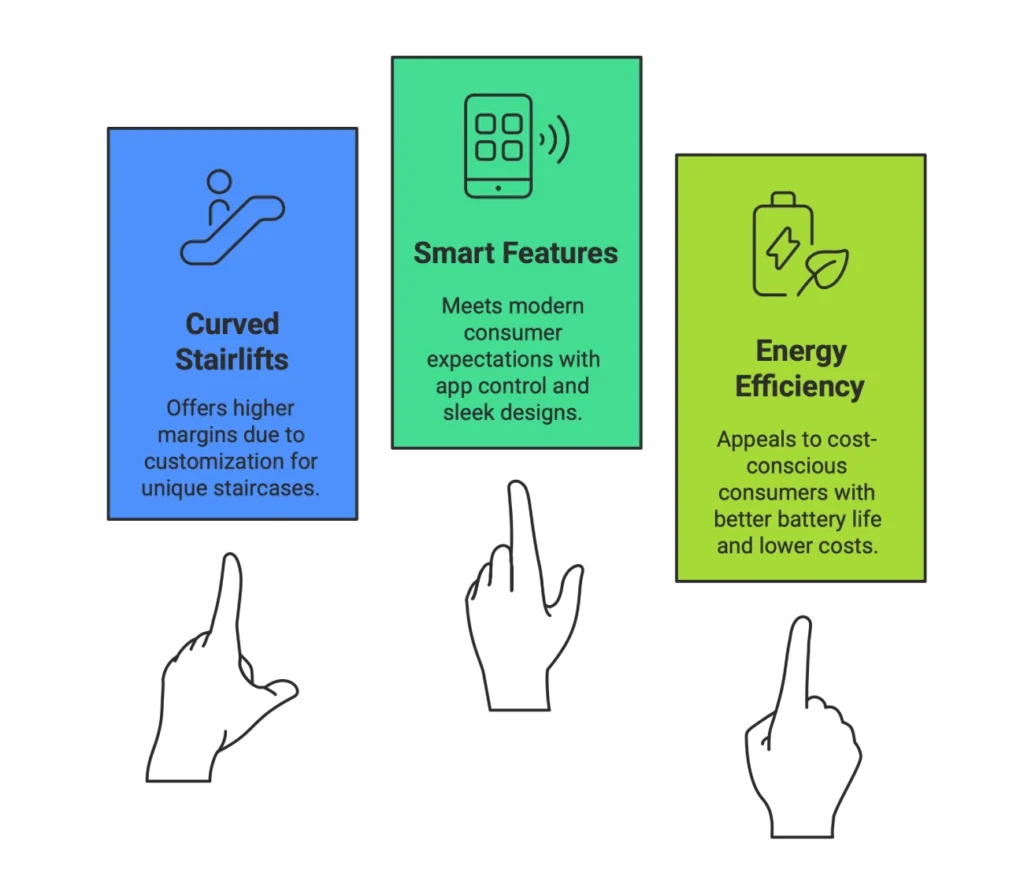
Key Market Trends for 2026 and Beyond:

  1. Curved Stairlifts: This segment is projected to be the fastest-growing due to the customization required for unique staircase geometries, leading to higher margins.
  2. Smart Features: Integration of app control, diagnostics, remote monitoring, and sleek, modern designs are becoming standard expectations.
  3. Energy Efficiency: Models with better battery life and lower operational costs will appeal to the cost-conscious consumer.

Startup Costs and Financial Planning

The initial investment for a new stairlift business can range significantly, based on the size of your service area, inventory strategy (new vs. reconditioned units), and local real estate costs. General estimates for an independent dealer fall within a broad range, covering crucial initial expenses:

ItemFocus AreaNotes
Initial InventoryStocking EquipmentCrucial mix of straight and curved units; curved rails require high capital commitment.
Working CapitalOperational BufferCovers early overhead, marketing, and sustaining the business until revenue stabilizes.
Insurance & LicensingRegulatory ComplianceEssential liability, product insurance, professional indemnity, and required local permits.
Training/CertificationStaff ExpertiseManufacturer training is mandatory for technicians to ensure safe, warrantied work.

2. Product Sourcing, Compliance and Operations

Your credibility hinges on the quality of your products and the professionalism of your installations.

Manufacturer & Supplier Relationships

As a dealer, you will partner with major stairlift manufacturers (e.g., Stannah, Acorn, Handicare, Bruno). This partnership is critical and will involve:

Product Range: Choose suppliers that offer a diverse, high-quality range: straight-rail, curved-rail, indoor, and outdoor models to meet various customer needs and budgets.

Dealer Requirements: Manufacturers often require dealers to meet minimum sales targets, complete rigorous technical training, and maintain certified installation teams to ensure the stairs lift is fitted correctly and safely.

Warranties and Support: Ensure your suppliers provide robust product and labor warranties and reliable technical support. Your after-sales service is a major Unique Selling Proposition (USP).

Regulatory Compliance and Insurance

Stairlift installation is a safety-critical and heavily regulated business. You must ensure full compliance from day one. This involves securing necessary Local Permits & Licensing, particularly for commercial or multi-family properties where a stairs lift installation may require local authority inspection. All products and installations must strictly adhere to all relevant Industry Standards (local, national, and international safety codes). Crucially, you must secure robust Insurance, including Public Liability, Product Liability, and Professional Indemnity coverage, to protect your business against installation errors or product failures.

3. Lead Generation in 2026

The high-value nature of a stairlift purchase demands a unique, trust-based marketing approach.

Strategic Lead Acquisition: Exclusive Opportunities

A competitive advantage lies in acquiring high-quality, exclusive leads from specialized partners.

Exclusive Lead Services: Consider leveraging specialized platforms that provide qualified, non-shared leads. For example, services like Inquirly.com focus on connecting accessibility professionals directly with homeowners and families actively searching for home lift systems. Receiving exclusive leads from such platforms can drastically improve your sales team’s efficiency, as you will spend less time competing for the same prospect and more time closing sales for installation, repair and maintenance services.


Looking for Exclusive Stairlift Leads?

Contact us Today

Conclusion

The path to launching a successful stairlift business in 2026 requires a sound strategy backed by a strong commitment to customer safety. Market demand for the stairs lift is strong and sustained, driven by global demographic trends.

Success lies on: meticulous market research, sourcing quality products from trusted manufacturers, strict adherence to compliance and a focused marketing plan that utilizes key partnerships and exclusive lead generation from sources like Inquirly.com. By prioritizing service and quality, your stairlift business will not only achieve financial success but, more importantly, will restore your customers’ freedom and confidence in their own homes.

Do You Need a License to Start a Water Filtration Business? 

A water filtration business is one of the most relevant ventures for 2026. Global trends show waning public trust in tap water, driving enormous demand for reliable, specialized water filtration systems for businesses and homes.

But before you sign your first client or buy a single RO unit, you must answer the most critical question: Do you need a license to start a water filtration business?

The straightforward answer is Yes, you absolutely need licenses and permits. However, the exact type of license required shifts dramatically based on what services you offer and where you are located.

The difference between legally selling a product and legally installing it is vast. If your service involves permanently connecting equipment to a client’s plumbing, like installing a whole-house filter, you cross from being a retailer into the realm of a regulated trade.

This comprehensive guide will map out the necessary compliance steps, explain why trade licenses are often mandatory, and suggest the modern tools you need to run your business professionally and profitably.

1. Basic Business Registration

Every business, regardless of industry, must complete these steps to operate legally and fiscally. This is your company’s essential paperwork.

General Business and Tax Compliance

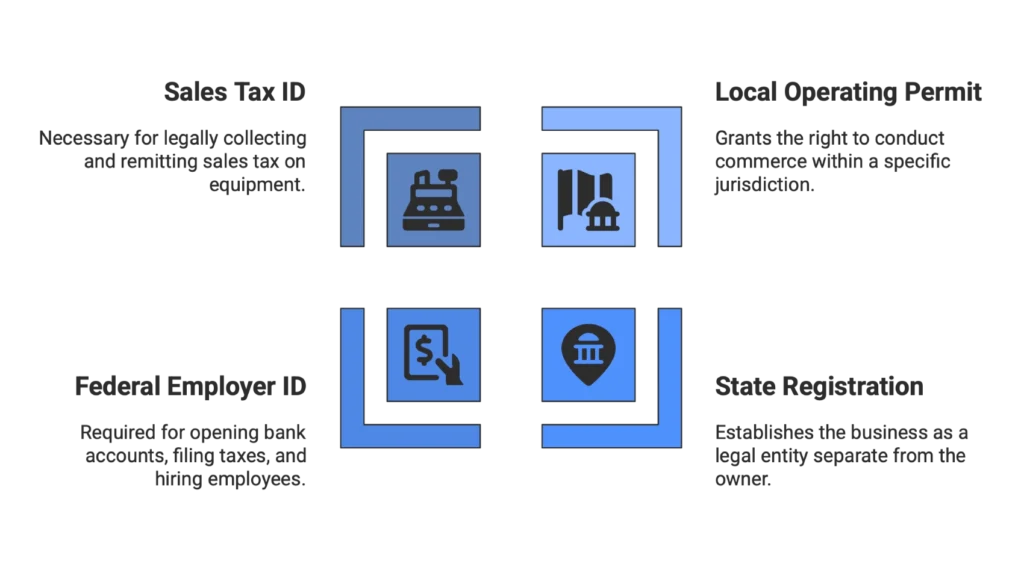
  • Local Operating Permit: You must obtain a general operating license or permit from your city or county. This grants you the fundamental right to conduct commerce in that specific jurisdiction.
  • State Registration: You must register your legal entity (such as an LLC or Corporation) with your state’s authority, typically the Secretary of State. This step establishes your company as a legal structure separate from you personally.
  • Federal Employer ID (EIN): Get your free Federal Employer Identification Number from the IRS. You need this to open a business bank account, file taxes, and, most importantly, hire employees.
  • Sales Tax ID: If you sell equipment, you must obtain a state sales tax permit to legally collect and remit sales tax.

2. Trade and Installation Licensing

🔧 The Plumbing Requirement

If your service involves cutting, connecting, or modifying the existing water supply line (which is required for whole-house filtration or water softeners), you are performing work traditionally defined as plumbing or specialized contracting.

  • Contractor License: Many states require that any work permanently connected to a water system be done by a state-licensed Plumber or a Specialized Contractor.
  • Specialized Water Conditioning Licenses: Some states recognize the unique nature of this work and offer specific licenses, such as a Water Conditioning Contractor License. These licenses acknowledge that while you may not be fitting entire bathrooms, you possess the specific expertise for treating and rerouting water supplies.

Insurance and Bonding

To secure a trade license, or simply to operate safely, you will need:

  • General Liability Insurance: This protects your business if property damage or injury occurs during a job.
  • Surety Bond: This is required in many states to obtain a contractor license. It is a financial guarantee to the customer that if your company fails to complete the work according to code or contract, they have recourse.

3. Certifications 

Voluntary certifications for your products and your people establish instant credibility, especially when competing for sophisticated water filtration systems for businesses.

Product Certification 

Always choose and recommend equipment that has been independently tested. The most recognized name is NSF International.

Certification StandardWhat it Certifies Why it Matters to the Client
NSF/ANSI 42Reduces aesthetic contaminants (like chlorine taste and odor).Guarantees the water tastes and smells better, as promised.
NSF/ANSI 53Reduces health-related contaminants (like lead, cysts, and certain chemicals).Guarantees the product makes the water measurably safer.
WQA Gold SealTesting and performance claims are verified by the Water Quality Association.Provides an additional layer of industry-specific reassurance and quality.


Professional Certification

Encourage your installation and sales team to obtain certifications from the Water Quality Association (WQA).

  • Certified Water Specialist (CWS): This designation proves your team can correctly analyze a client’s water report and design the perfect treatment solution.
  • Certified Installer (CI): This verifies that your technician knows how to install the equipment safely, efficiently, and in compliance with plumbing codes.

4. Software Tools

To efficiently manage installations, inventory, and, most importantly, recurring service, you need specialized software. These tools reduce waste and turn one-time sales into long-term income streams.

Field Service Management (FSM) Software

FSM software is the operational hub for any business that sends teams into the field. It handles scheduling, dispatching technicians, optimizing travel routes, providing mobile invoicing, and documenting work completed.

For user-friendly options, platforms like Jobber, Housecall Pro, or Service Fusion are excellent recommendations. These systems are specifically tailored for home service trades and easily integrate with accounting software. For a more specialized approach, look for water-specific FSM tools like Amplafide. Amplafide is particularly excellent at automating the essential business of filter changes and salt deliveries, which helps secure your vital recurring revenue model.

Business and Financial Tools

QuickBooks remains the industry-standard accounting software. It is essential for keeping your finances organized and ensuring you stay compliant with tax reporting.

For Customer Relationship Management (CRM), you must have a system to track every customer’s installed system, the warranty expiration date, and the specific schedule for filter and media replacement. Fortunately, your FSM software often includes a strong CRM component that manages this critical information efficiently.

Secure Exclusive Water Filtration Leads with Inquirly

Inquirly provides exclusive water filtration leads, meaning high-intent inquiries from homeowners and businesses are sent only to your company. This eliminates competition and dramatically boosts your conversion rates.

Pricing Structure: Pay Per Performance

Inquirly operates on a flexible, pay-per-lead model based on customer intent:

Lead TypeCost
Form Leads (Inquiries)$40 – $90 per lead
Live Calls (High-Intent)$50 – $150 per call
Average Cost to Win a Job$350


Ready to Convert More Jobs?

Stop sharing leads and start winning them. Visit Inquirly to access 100% exclusive water filtration leads tailored to your service area.

Contact us today

Professional Launch Checklist

Starting a professional water filtration business demands diligence. Treat compliance not as an obstacle, but as the essential cost of establishing trust and authority.

You must Investigate Trade Rules: Before committing to installation services, directly contact your state’s licensing board (Contractor or Plumbing) to confirm if you need a specific trade license. You must also Ensure Insurability: Secure the required general liability insurance and any necessary surety bonds. Finally, Prioritize Service: Use FSM software to manage recurring maintenance plans. This is the difference between a high-effort sales business and a high-profit service business.

How to Get More Water Filtration Jobs in 2026

By 2026, the water filtration industry is expected to undergo a radical transformation. The days of selling simple “soft water” for comfort are rapidly fading. Instead, the market is moving toward a model based on health security, infrastructure resilience, and smart-home integration.

With the implementation of strict new PFAS (forever chemicals) regulations expected in the US and EU starting in 2026, and furthermore, continued concerns regarding municipal infrastructure reliability, the consumer mindset is shifting. Homeowners will consequently no longer view water filtration as a luxury upgrade, but as a necessary protective measure for their health and property.

For water treatment business owners, this shift presents a massive opportunity, but only for those prepared to adapt. To secure high-value jobs in 2026, you must pivot from being a “service provider” to a “water intelligence partner.”

This guide outlines the specific strategies, software, and cross-industry lessons that will help you dominate the market in the coming year.

New Era of SEO: “Answer Engine Optimization”

By 2026, the way consumers find local services is expected to change significantly due to the rise of AI-driven search (like Google’s Gemini and OpenAI’s ChatGPT). Users are moving away from typing keywords like “water softener city name” and towards asking complex questions like: “What are the current PFAS levels in [City Name] and which filter removes them best?”

To capture these leads, your digital presence must evolve from “Search Engine Optimization” (SEO) to “Answer Engine Optimization” (AEO).

Hyper-Local Data Pages

A generic “About Us” page will no longer suffice. You need to become the Wikipedia of local water for your service area.

  • Create “Municipal Water Report” Landing Pages: Build specific pages on your website for every town you serve. Titled “2026 Water Quality Analysis for [Town Name],” these pages should break down the local Consumer Confidence Report (CCR) into plain English.
  • The “Zero-Click” Content: Google’s AI often pulls answers directly from websites without sending the user to the site. To win this “featured snippet,” structure your content in clear Q&A formats.
    • Question: “Does [City] water contain chlorine or chloramines?”
    • Answer: “As of 2026, [City] utilizes chloramines for disinfection. Standard carbon filters may not be effective; we recommend catalytic carbon filtration for this specific municipality.”

Tools for Execution

SurferSEO: This tool analyzes the top-ranking content and tells you exactly which terms (e.g., “TDS levels,” “reverse osmosis membrane”) you need to include to rank higher than your competitors.

BrightLocal: Essential for managing your local citations. In 2026, consistency in your Name, Address, and Phone Number (NAP) across the web is expected to remain a critical trust signal for Google’s algorithm.

Lead Generation: The “Exclusive” Model

Consequently, in 2026, the most successful home service businesses will likely move away from “shared lead”platforms, where you fight 5 other contractors for the same low-quality lead. This competitive environment typically drives down prices and compresses profit margins, turning the lead acquisition process into a race to the bottom. Instead, the focus is expected to shift toward exclusive lead generation.

  • Exclusivity Protects Profitability: When leads are exclusive, you eliminate price shopping. This shifts the conversation from cost to solution value, allowing you to position premium equipment and maintain healthier profit margins on high-ticket filtration systems.
  • High Intent Lowers Acquisition Costs: Leads sourced from high-intent searches (e.g., actively searching “PFAS filter installation”) are significantly warmer than generic forms. Therefore, your sales team spends less time on unqualified prospects, drastically reducing your Customer Acquisition Cost (CAC) and improving lead velocity.


If you are evaluating exclusive lead platforms, consider reviewing the structure used by specialized contractors. For instance, the system used by lead generation companies like Inquirly emphasizes high-intent customers over high volume, a model that directly protects profitability in water treatment.

Contact us for Exclusive Water Filtration Leads

Operational Efficiency

The water filtration business is rich in Recurring Revenue (filter changes, maintenance). By 2026, manual tracking will kill growth.

The Benefit: Automation software allows you to tag equipment with replacement dates and automatically trigger service reminder texts and emails, turning a one-time install into a predictable, long-term revenue stream.

FSM Automation: You must implement specialized Field Service Management (FSM) platforms. These systems centralize dispatching and invoicing, but, more importantly, they automate the service and maintenance cycle.

Specialized Markets: The PFAS & Commercial Pivot

As mentioned, 2026 is expected to be the year of PFAS regulation. The US EPA and EU regulatory bodies are tightening standards, meaning public water reports will look “scarier” to the average citizen.

The “PFAS-Free” Package

Don’t just sell “Whole Home Filters.” Package your highest-end active carbon or reverse osmosis systems as “The Emerging Contaminant Defense Package.”

  • Educational Marketing: Use your blog and social media to explain why standard fridge filters cannot remove PFAS. Position your company as the technical expert on this specific chemical family.

The Commercial “Water Audit”

While residential jobs fluctuate, commercial jobs offer stability. Coffee shops, breweries, and boutique hotels are businesses that live and die by water quality.

  • The Strategy: Do not pitch them a product. Pitch them a “Water Profile Audit.”
  • Linkedin Outreach: Use LinkedIn Sales Navigator to find “Facility Managers” or “Owners” of local hospitality groups. This is a blue-ocean strategy where very few water treatment dealers are competing.

Smart Water Ecosystems

By 2026, the “Internet of Things” (IoT) will be deeply integrated into home infrastructure. Homeowners will expect their water system to be as “smart” as their thermostat.

The Integration Play

To get more jobs, you should bundle “protection” with “filtration.”

  • Leak Detection: Partner with brands like Moen Flo or Phyn. These smart water valves monitor usage and automatically shut off the water main if a catastrophic leak is detected.
  • The Bundle: Offer a “Total Peace of Mind” package. “We don’t just make your water healthy; we ensure it never floods your basement.”

Conclusion: The 2026 Standard

Getting more water filtration jobs in 2026 will not be about who has the lowest price. It will be about who can provide the most certainty.

In an era of climate anxiety and health concerns, the winning company will be the one that:

  1. Educates with hyper-local data (AEO).
  2. Validates with digital testing (Spin Touch).
  3. Automates the relationship (Amplafide/ServiceTitan).
  4. Generates high-intent opportunities by emulating the best lead models (like the Inquirly exclusive approach).

10 Best Marketing Strategies for Painting Contractors 

Experienced painting contractors know the challenge of the “feast or famine” cycle. One month brings scheduling chaos; the next brings an empty calendar. To move from surviving to scaling, you need a predictable pipeline of painting leads and to truly grow your revenue, you need a marketing ecosystem that works as hard as your crew.

This guide outlines ten high-impact strategies to generate consistent leads, optimize your painting company ads, and streamline your operations using the best software available today.

1. Prioritize Exclusive Lead Generation

One of the most significant frustrations for painting contractors is the “shared lead” model used by massive directory sites. In that scenario, a homeowner submits a request, and their phone immediately blows up with calls from five different contractors. You are instantly forced into a commodity mindset, fighting a “race to the bottom” on price with competitors who may cut corners to win the bid.

The smarter, more profitable approach is to shift your budget toward exclusive lead generation. This means you are purchasing the interest of a homeowner who has been vetted and sent specifically to you and nobody else. When you are the only contractor calling, your conversation shifts from defending your price to selling your value.

When you control the lead, you control the margin. Using a dedicated partner like Inquirly allows you to bypass the bidding wars. Inquirly’s model connects you with customers actively seeking services in your specific zip codes, making sure that your marketing dollars are spent on genuine opportunities

2. Google Business Profile

Your Google Business Profile (formerly Google My Business) is arguably your most important digital asset. For many homeowners, this is your homepage. 

Google’s algorithm favors activity. An inactive profile signals a stagnant business. You need to treat your profile like a social media feed. This means regularly updating your business hours, responding to every single review (positive or negative), and utilizing the “Posts” feature to share updates about your crew or seasonal discounts.

Actionable Steps & Tools:

  • The “Photo Dump” Routine: Upload at least 3-5 high-quality photos of your current job sites every single week. This signals to Google that you are active and relevant.
  • Automate Reviews: You cannot rely on memory to ask for reviews. Use software like NiceJob. These tools integrate with your CRM to automatically text or email a client the moment a job is marked “Complete.” They make it one-click easy for the customer, which drastically increases your review volume.

3. Hyper-Local “Before & After” Social Ads

When developing painting company ads, remember that you are in a visual industry. Homeowners struggle to visualize how a new color will change the feel of their home. Your advertising needs to bridge that gap. Generic stock photos of paint cans or smiling stock models do not convert well. What converts is the dramatic transformation.

Social media platforms like Facebook and Instagram allow you to target incredibly specific demographics – down to the zip code, home value and length of homeownership.

The Strategy: Create a “Carousel Ad” campaign. The first image should be the “Before” – perhaps a house with peeling exterior paint or a dated, yellow kitchen. The next slide shows the “During” – your crew in uniform, properly masking floors (this builds trust). The final slide is the stunning “After.”

Tools to Make This Easy:

  • Canva: You do not need a graphic designer. Canva offers templates specifically for “Before and After” layouts.
  • Facebook Ads Manager: Use this to set your geofence so you only pay for views from homeowners in neighborhoods you actually want to work in.

4. Modernize Your Bidding Process

We live in an “on-demand” economy. If a homeowner asks for a quote and you take three days to type it up and email it, you have likely already lost the job to a competitor who provided a quote on the spot. Speed to lead is critical, but the professionalism of the presentation is equally important. Handwritten estimates on carbon paper often subconsciously signal “old school” or “disorganized” to modern clients.

Moving to a digital estimating system allows you to build templates. You can pre-set your prices for labor, materials, and overhead. When you are at the client’s house, you simply input the square footage, and the software generates a beautiful, branded proposal instantly.

Software Recommendations:

  • PaintScout: Built specifically for painters. It allows you to present “Good, Better, Best” options (e.g., offering a premium paint upgrade), which psychologically encourages customers to upsell themselves.
  • Joist: A simplified option for invoicing and estimating that allows clients to sign and pay the deposit directly from their smartphone.

5. B2B Networking

While chasing individual homeowners is necessary, the most scalable painting advertising ideas involve finding the “gatekeepers.” These are professionals who control the flow of housing inventory and renovations. By establishing a relationship with one of these professionals, you gain access to their entire book of clients.

The Triad:

  1. Real Estate Agents: They need listings painted to sell, and new buyers often want to repaint immediately upon closing.
  2. Interior Designers: They choose the colors, but they need a trusted executor to apply them. They are terrified of referring a bad painter because it reflects poorly on them.
  3. Property Managers: They provide consistent, recurring revenue through turnover painting (apartments/rentals).

How to approach them: Offer value. Create a physical “Preferred Client Card” that the agent can give to their clients as a closing gift, entitling them to a discount or a free color consultation. This makes the agent look good and feeds you steady painting leads.

6. Video Marketing

The biggest fear a homeowner has is not a bad paint job; it is a messy house. They worry about paint on their hardwood floors, dust on their furniture, and strangers in their personal space. Video is the only medium that can effectively alleviate these fears before you even step foot in their home.

You don’t need a production crew. You need a smartphone and consistency.

Content Ideas:

  • The “Prep” Timelapse: A fast-motion video showing your team covering every inch of furniture with plastic and taping the baseboards. Caption it: “We protect your home like it’s our own.”
  • The Crew Introduction: A short video introducing your foreman. “Meet Mike. He’s been painting for 15 years and loves detailed trim work.” This humanizes your company and builds safety/trust.


Tool for the Job:

  • CompanyCam: This app is essential for field documentation. It allows your crew to snap photos and videos that instantly sync to the cloud, organized by project address. You can easily pull these assets for your social media marketing.

7. Reactivate Past Clients

t is statistically five to ten times cheaper to sell to an existing customer than to acquire a new one. Yet, most painting contractors treat their client list as a “one-and-done” transaction. If you have been in business for a few years, your goldmine is your past client list.

The Lifecycle Email Strategy:

  • 12 Months Later: Send an automated email: “Happy Anniversary! It’s been a year since we painted your exterior. We recommend a light pressure wash to keep that paint looking fresh. Can we schedule one?”
  • Winter Season (The Slow Season): Email your exterior clients about interior work. “Too cold to paint outside? Let’s update your kitchen cabinets or repaint that guest bedroom.”


Software to Automate This:

  • Mailchimp or ActiveCampaign: You can set up “drip campaigns” that trigger emails based on the date the job was completed, ensuring you stay top-of-mind without having to manually remember to email anyone.

8. Dedicated Landing Pages

Many painting contractors make the mistake of sending all their advertising traffic to their website’s homepage. The homepage is usually too general. If a customer searches for “Kitchen Cabinet Refinishing,” and they land on a page talking about exterior stucco, they will bounce.

To maximize your painting leads, you should specialize your marketing. Create specific landing pages for high-margin niches like Cabinet Refinishing, Brick Limewashing, or Deck Staining. These specific services often have less competition and higher profit margins than general wall painting.

The Strategy: Create a page on your website specifically dedicated to one service.

9. Professionalize Your Sales Follow-Up

If you invest in painting leads and you do not have a system to follow up, you are wasting money. Data consistently shows that leads contacted within 5 minutes are 900% more likely to convert than those contacted after an hour.

Many painters are on a ladder when the lead comes in and they forget to call back until the evening. By then, the homeowner has already booked an estimate with someone else.

The Solution: Implement an automated “Speed to Lead” workflow.

  1. Lead arrives.
  2. Auto-SMS: “Hi! Thanks for contacting [Company Name]. I received your request. I’m wrapping up a job site but will call you in 15 minutes. – [Your Name]”
  3. Auto-Email: Sends a link to your portfolio so they can look at your work while they wait for your call.

10. Google Local Services Ads (LSA)

You have likely seen these ads – they appear at the very top of Google search results, above the map and above the standard text ads. They feature a green “Google Guaranteed” checkmark.

With LSAs, you only pay for valid leads (calls or messages). The “Google Guaranteed” badge is a massive trust signal; it tells the consumer that Google has vetted your insurance and background checked your business. This is becoming the primary way homeowners find tradespeople on mobile devices.

Implementation: You must apply for this program and submit your insurance documents. It takes time to get approved, but the lead quality is generally superior to standard search traffic.

Summary: Digital Tool Stack

To execute these strategies effectively, you should consider building a “tech stack” that supports your growth. Here is a quick reference guide:

CategoryRecommended ToolWhy You Need It
Lead GenerationInquirlyTo secure exclusive, high-intent painting leads.
CRM & ManagementJobberTo manage the client lifecycle and automate follow-ups.
EstimatingPaintScoutTo send professional, instant digital proposals.
ReviewsNiceJobTo automate the collection of 5-star Google reviews.
Landing PagesCompanyCamTo create niche-specific pages (e.g., Cabinet Painting).

What Homeowners Ask Before Hiring a Painter? 

Offering the lowest price is rarely the key to landing a high-value contract. The goal is to provide the maximum level of assurance. When a homeowner contacts you for a painting quote, whether via a recommendation, an internet search or the conversion of one of your most recent painting leads, they are not merely looking for a service; they choosing a partner for a significant financial and personal project.

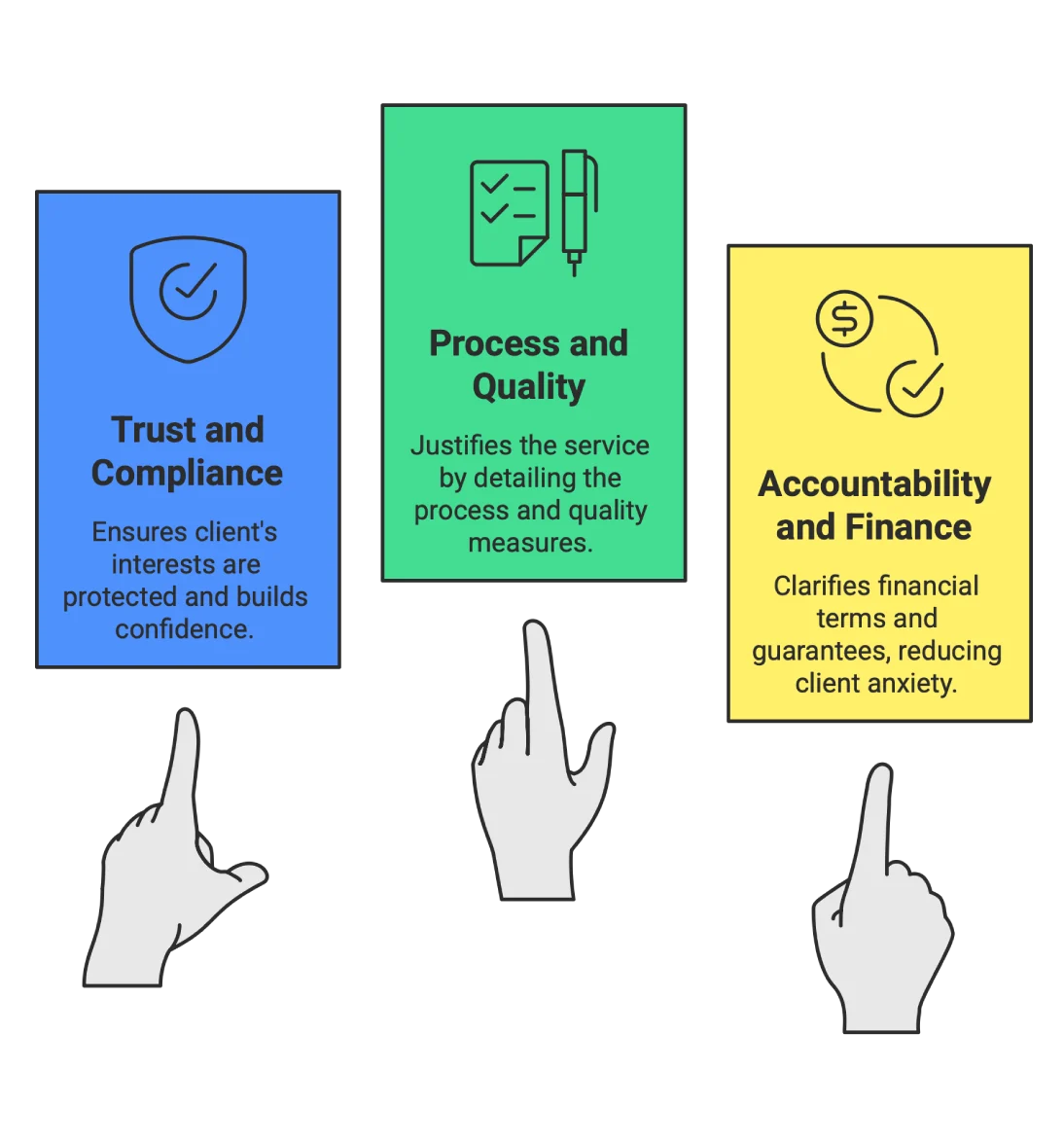
The most successful painting contractors understand that the conversion process is a structured exercise in answering the client’s unspoken questions. These questions fall into three critical categories: Trust and ComplianceProcess and Quality and Accountability and Finance. When your proposal proactively addresses these concerns with detail and transparency, you immediately stand out from the competition and eliminate the client’s anxiety points.

By framing your sales presentation, proposal and communication around these homeowner inquiries, you elevate your service from a commodity to a strategic solution. This guide outlines the questions homeowners are truly asking and provides the authoritative answers needed to convert your most valuable paint leads.

Get Exclusive Painting Leads

1. Trust and Compliance

(The Foundational Questions)

Before a homeowner can even begin to discuss color choices or pricing, they must be convinced that your business is legitimate, safe and reliable. These are the foundational questions of trust.

1. Are you licensed, insured, and protecting my interests?

This is arguably the most critical question. Homeowners are increasingly aware that if an uninsured or improperly licensed worker is injured on their property, they could be held personally liable. They need definitive proof that your business is compliant and that their assets are shielded from risk.

The Strategic Answer: Your response must be immediate and documented. Always carry a digital copy of your Certificate of Insurance (COI) and be prepared to email it upon request. Explicitly state the coverage limits for your General Liability insurance (which covers damage to their property) and confirm you carry Workers’ Compensation insurance (which covers injuries to your team).

Include your licensing and registration numbers prominently on your bid documents, framing them as standard operating procedure, not exceptions. This step validates your professional status and sets a necessary boundary between you and any risk-taking competitor.

2. What kind of work have you done?

Social proof is everything in residential contracting. A client wants validation that your quality is consistent and your company’s reliability is absolute. They are looking past the pretty pictures and focusing on logistics.

The Strategic Answer: Curate a “Proof Package.” This should include high-resolution, targeted photos—if they have a complex Victorian exterior, show them a similar project. If they have custom cabinets, show your detailed finishing work. Crucially, offer references who can speak to the client experience, not just the final result. Provide names of past clients who can discuss:

  • Your crew’s punctuality and cleanliness.
  • How well you communicated unexpected delays or issues.
  • Your adherence to the proposed schedule.

3. Who will actually be doing the work, and who is in charge?

The idea of strangers having free access to their home for several days or weeks is a major source of anxiety. Homeowners are subtly asking, “Are these people safe, and will I have a clear point of contact if an issue arises?”

The Strategic Answer: Be transparent about your crew structure. If you use subcontractors, confirm that they are fully vetted, insured, and trained to follow your company’s professional standards. More importantly, establish a Single Point of Contact (SPOC). Designate one individual, your Project Manager or Lead Foreman, whose name and direct mobile number are given to the client. This centralized accountability ensures the homeowner never has to navigate a hierarchy of workers to get an answer, which minimizes client stress and friction throughout the duration of the job.

Process and Quality

(The Justification Questions)

Once trust is established, the conversation shifts to execution. The homeowner knows that paint quality and durability are determined by the prep work. They are asking, “Why is your bid worth the price, and how long will the work truly last?”

4. What is your process for surface preparation, and how detailed is it?

This is the most critical area where price cutters compromise quality. Your high-value bid must detail the rigorous, time-consuming steps that guarantee longevity.

The Strategic Answer: Never gloss over prep. Write a detailed narrative of the preparation protocol. For exterior projects, for example, specify your cleaning method (e.g., low-pressure wash, mildew treatment) and etc.


For interior projects, detail your commitment to protection: the use of heavy-duty canvas drop cloths (superior to thin plastic for safety and floor protection), full masking of windows and fixtures, and the use of sanding equipment with dust mitigation systems.

5. How will you protect my property, and how clean will the site be?

Clients hate the idea of a messy work zone, paint splatters, or damaged landscaping. This question addresses the anxiety of disruption.

The Strategic Answer: Dedicate a section of your proposal to site management and cleanup. This assures the client that you respect their property. Detail your daily protocol:

  • Containment: The use of containment measures for sanding/scraping debris.
  • Daily Cleanup: Stating clearly that all tools, trash, and debris will be tidied at the end of every workday, leaving the site safe and organized.
  • Final Inspection: Commitment to a full “white glove” cleanup, including removing all tape, plastic, and debris, before the final walkthrough. This demonstrates respect for their home environment and minimizes their post-project burden.

6. How long will the project take, and what is the schedule?

Predictability reduces stress. An open-ended project timeline creates logistical nightmares for the client. They need a realistic estimate to plan their lives around your work.

The Strategic Answer: Provide a clear, phased timeline rather than just a total duration. Break the job down into logical stages: “Day 1: Setup and full preparation,” “Days 2-3: Application of first and second coat,” “Day 4: Touch-ups and final inspection.” Be transparent about factors that could cause necessary delays, such as specific drying times or weather conditions, and how you will communicate those delays immediately via phone or text. A structured schedule proves you have a repeatable, organized process.

Accountability and Finance

(The Contract Questions)

The final stage involves the financial and legal agreement. The client is asking, “Will I be protected if things go wrong, and is this price truly the final number?”

7. What does this price truly include, and what will cause the price to change?

Homeowners fear surprise costs. A professional proposal removes all ambiguity regarding scope and cost.

The Strategic Answer: Create a detailed Scope of Work section. List exactly what is included (e.g., “Two coats of Sherwin-Williams Duration on all siding, trim, and doors; one coat of primer on all bare wood”). Equally important, list clear Exclusions (e.g., major structural repair, extensive carpentry beyond simple repairs, moving large appliances or heavy furniture). This preempts scope creep and ensures you and the client have the same definition of the job.

8. What are the payment terms, and when is the final balance due?

The payment schedule acts as a financial safeguard for both parties. The client needs leverage to ensure satisfaction, and you need protection for your initial material and labor costs.

The Strategic Answer: Use a clear, phased payment schedule that ties installments to specific project milestones rather than simple timelines. This structure is flexible for your company’s needs but provides the client with confidence.

Crucially, the payment schedule should always feature a significant portion, typically the final 20-30% of the total cost, due only after the client has completed a final walkthrough and signed off on the project’s quality and completion. Detail the milestones in your proposal – such as a deposit to secure time and materials, a mid-project payment upon substantial completion of the application phase, and the final payment based on client approval. This policy protects your cash flow while assuring the client that the project must meet their standards before final payment is released.

9. What kind of guarantee or warranty do I receive on the finished product?

A warranty is the final expression of confidence in your craftsmanship. It tells the client that you stand behind your work long after the invoice is paid.

The Strategic Answer: Provide a clear, written workmanship warranty (typically 2–5 years). Define exactly what the warranty covers (e.g., peeling or blistering due to faulty application or poor surface prep) and what it specifically does notcover (e.g., structural movement, severe weather damage, normal fading, or damage caused by the homeowner). The guarantee is the final layer of risk mitigation, providing the client with absolute peace of mind.

Securing Exclusive Painting Leads

Continuous growth requires predictable, high-quality opportunities. Stop competing in shared marketplaces where every lead means a price war that crushes your margins.

The strategic solution is Exclusive Painting Leads. These are high-intent homeowner inquiries delivered only to your business. This exclusivity eliminates competition, allowing you to focus 100% on selling your value and detailed process, not discounting your price.

Lead Types & Pricing:

  • High-Intent Form Submissions: $60–$80 per lead
  • Immediate-Response Calls: $75–$105 per call


Secure a predictable supply of premium opportunities to stabilize and scale your revenue. Learn more about securing your exclusive territory: Inquirly Painting Leads.

Conclusion

Every question a homeowner asks is a search for assurance. By structuring your response around clarity, detail, and defined processes, you demonstrate professionalism and competency. The goal of converting your painting leads is to shift the client’s mindset from, “How much does it cost?” to, “This is the only company I trust to handle this job.” Lead with confidence, and you will secure the highest-value contracts in your market.