Author Archives: Autumn Andel

How Much Does it Cost To Start Snow Removal Business in 2026 

Starting a snow removing business is one of the most reliable ways to generate high seasonal income. When a season comes, demand skyrockets and businesses that are properly equipped can charge premium rates. While the startup costs are significant, viewing them as strategic investments rather than financial barriers is key to building a profitable operation.

Projecting startup costs for 2026 requires balancing the investment in reliable equipment with the necessity of modern efficiency tools. Below, we break down the costs into three distinct entry points, showing you how to start small and scale big.

The Three Paths to Entry: Choosing Your Scale

The cost to start depends entirely on your target market: residential driveways, small business parking lots, or large commercial contracts.

Path 1: The Residential Starter

(The Side Hustle)

This is the low-cost entry point, focused on a specific neighborhood or small route. It minimizes initial snow removal costs by relying on lighter, smaller equipment and used gear.

Equipment & CostEstimated Cost Range (2026)Strategy
Used 1/2 Ton Truck (with 4×4)$15,000 – $25,000A capable personal truck can often pull duty.
Small Straight Blade Plow (7.5 ft)$4,500 – $6,500Lighter plow designed for residential driveways and tight spaces.
Commercial Snow Blower (1 Unit)$1,500 – $2,500Essential for clearing sidewalks and paths.
Shovels, Salt Spreader (Handheld)$500For detail work and walking paths.
Initial Working Capital & Insurance$2,500 – $4,000Basic liability insurance is a must, even for residential work.
TOTAL MINIMAL STARTUP$24,000 – $38,500This is the most affordable way to begin.

*Please bear in mind that all costs presented are averages.

Path 2: The Professional Mid-Scale

(Investment for Growth)

This path is designed for entrepreneurs aiming to transition from a side hustle to a full-time, scalable business. It targets small commercial lots and dense residential routes, necessitating better, more reliable equipment. This is where your investment in high-quality snow plows for trucks begins.

A. The Heavy-Duty Vehicle Investment

For consistent snow plowing, you need a truck that won’t break down when you need it most.

Vehicle OptionEstimated Cost Range (2026)Benefit for Mid-Scale
Used Heavy-Duty Truck (3-5 years old)$30,000 – $55,000The most realistic option: better capability than a 1/2 ton, less upfront cost than new.
Plow and Spreader Installation$6,500 – $9,000An 8 ft straight blade plow installed, perfect for mid-sized parking lots.
Commercial Salt Spreader (Tailgate)$3,000 – $5,000Enables profitable de-icing contracts-a huge revenue stream.
Total Vehicle & Plow Cost$39,500 – $69,000

*Please bear in mind that all costs presented are averages.


Key Investments in this Tier:

  • Working Capital: A sufficient cash buffer to cover unexpected maintenance, especially for used equipment, and the hiring of a single helper during major events.
  • Vehicle: A dedicated used heavy-duty truck (3/4 ton or 1-ton) that is prepared for constant use, including pre-season maintenance funds.
  • Plow and Spreader: A commercial-grade straight blade plow (8-9 ft) and a tailgate-mounted salt/sander spreader. Enabling profitable de-icing contracts is a huge revenue stream at this level.
  • Business Protection: Higher limits of Commercial General Liability (CGL) insurance, a dedicated commercial auto policy, and necessary local operating permits.
  • Efficiency: Initial investment in route optimization or basic CRM (Client Relationship Management) software to manage a growing list of clients efficiently.


Key Takeaway: This path is about buying durability and reducing risk. The investment here allows you to confidently service small commercial properties and scale your route without fearing breakdowns.

Path 3: The Commercial Powerhouse

(Investment for Maximum Profit)

This path targets large industrial parks, retail centers, and institutional contracts. These contracts are demanding but offer the highest profit margins, requiring brand-new, reliable equipment and advanced planning.

Investment Strategy:

This investment tier is non-negotiable for large-scale operations. The focus is on zero downtime and specialized equipment for high-volume, rapid clearance.

Key Investments in this Tier:

  • Vehicle: Brand-new, warrantied heavy-duty truck (1-ton or larger) with full plow-prep package.
  • Specialized Equipment: A Commercial V-Plow (9 ft+) for superior snow cutting capability and a large, high-capacity hopper spreader for bulk salt application across massive lots.
  • Premium Protection: The highest limits of CGL insurance (often required by corporate clients) and mandatory Workers’ Compensation insurance for a growing team.
  • Digital Infrastructure: A professional website, dedicated digital marketing (Local SEO), and subscription to advanced, real-time fleet management and route optimization software.
  • Contingency Fund: A substantial cash reserve designed to cover immediate, premium-rate repairs for critical components or the cost of hiring subcontractors during severe back-to-back storms.


Key Takeaway: This level of investment guarantees reliability and speed, allowing you to secure and fulfill the highest-paying, most demanding contracts in your market.

Strategic Investment: Generating High-Quality Leads

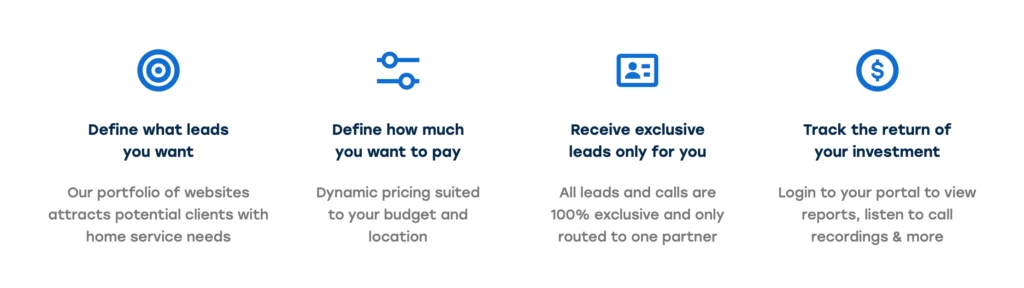
Beyond equipment, a successful snow removal business requires a consistent pipeline of paying customers. While building relationships and local reputation is essential, partnering with professional lead generation services can immediately provide high-value, exclusive leads, especially for new companies or those looking to expand rapidly into commercial markets. This turns marketing spend into a predictable investment in future revenue.

For example, specialized lead providers like Inquirly.com focus on delivering exclusive, pre-qualified leads directly to snow removal operators. Prices vary on the type of lead, as their form leads cost between $25 – $40 per lead and calls cost between $35 – $120 per call.

Contact Us For More Information.

Final Summary: Tiers of Investment
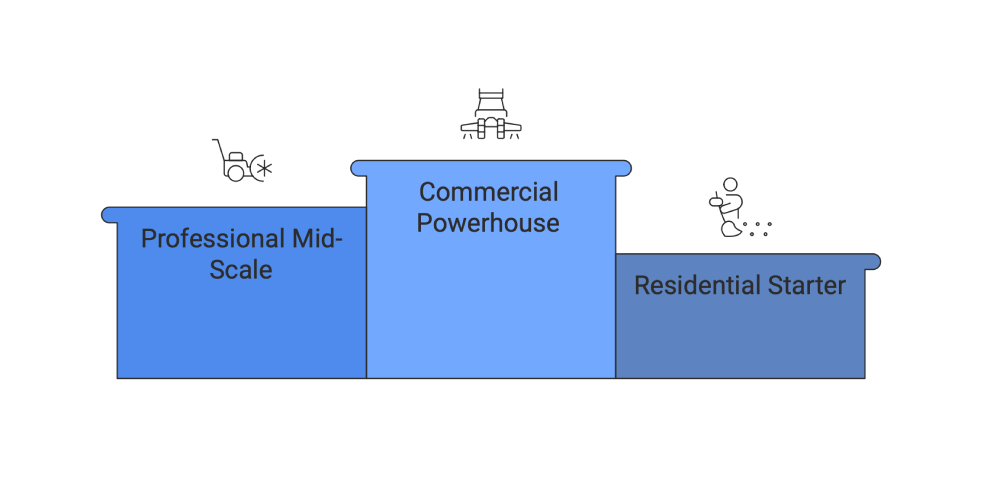
This table summarizes the approximate financial tier required to launch at each scale. Remember, these are broad estimates that vary based on the price of used trucks and regional labor rates.

Entry PathTarget MarketKey Investment FocusApproximate Investment Tier (2026)
1. Residential StarterDriveways, sidewalks, neighborsLow cost, functional used equipment$25,000 – $40,000
2. Professional Mid-ScaleSmall commercial lots, dense residentialReliable used truck, operational efficiency$50,000 – $90,000
3. Commercial PowerhouseLarge retail, industrial, institutionsZero downtime, brand-new heavy equipment$100,000 – $160,000+

Conclusion

The Investment Pays Off

The initial snow removal costs should be viewed as the necessary entry fee to an industry with exceptional earning potential.

For the aspiring entrepreneur, starting with the Residential Starter path is a realistic and accessible way to generate income immediately. Once cash flow is established, you can use those profits to upgrade your truck and secure better snow plows for trucks.

For those ready to command the highest rates and offer the best snow removal services, the Commercial Powerhouse investment is a guarantee of reliability. By strategically investing in the right equipment and planning for contingencies, you ensure your business is the one clients trust when the snow flies hardest. The key is to choose the path that aligns with your current budget and future revenue goals, turning those initial costs into significant seasonal profits.

How to Find Clinets for Snow Removal Business in 2026? 

The business landscape for Snow Removal Services is rapidly evolving, driven by advancements in logistics, AI, and client expectations for reduced liability. By the 2026 winter season, the difference between a thriving Snow Removal Business and a stagnant one will hinge on its willingness to adapt to these technological and operational shifts.

This guide provides a strategic forecast, detailing the essential investments and mindset changes required to proactively secure high-value leads in a highly competitive, future-focused market. We move beyond simple marketing tactics to explore how data, efficiency and specialized sourcing will define success.

1. Digital Dominance

In the upcoming seasons, every lead starts on a digital device. Desperate homeowner or a multi-property facility manager, they all are searching for snow removal services with high urgency. Your digital presence must be instant, conversational, and completely reassuring.

A. Evolving from Keywords to Conversational Intent

The days of simply ranking for “snow plowing near me” are ending. By 2026, search engines will be smarter, focusing less on static keywords and more on conversational intent. Clients are using voice search and generative AI tools to ask complex questions.

  • The AI-Ready Website: Your online content must be rich and structured (using technical schema markup) to feed these smart systems. Instead of just listing services, you need specific pages that answer granular questions like, “Which snow removing company in my area offers brine application before the snow starts?” or “Who has full sidewalk crew liability insurance?”
  • GBP Reviews: Your Google Business Profile (GBP) remains your most important asset. Potential clients are using review sentiment – the actual words in your reviews – to filter services. If your reviews frequently mention “fast response” and “no damage,” you are more likely to be selected by an AI or search filter focused on those qualities. Dedicate time to collecting and responding professionally to every review.
  • Tool Recommendation: Semrush or Ahrefs: These advanced SEO tools are essential for analyzing the complex, long-tail search queries that will dominate 2026. They help you uncover exactly what questions clients are asking so you can optimize your website content for conversational, high-intent searches.

B. Precision Advertising

The old method – blasting ads regionally when the weather forecast hints at snow, is wasteful and outdated. The 2026 strategy integrates meteorological and logistical data to turn ad spend into hyper-precise lead acquisition.

  • The Intent-Based Trigger: We are forecasting the rise of advertising models integrated with proprietary weather APIs. Your high-budget PPC campaigns for commercial snow removing won’t just activate on a Snow Warning; they will activate only when specific conditions are met: for example, when pavement temperature is predicted to drop below freezing and accumulation is forecasted above three inches. This ensures your dollars are spent precisely when clients are in peak panic/buying mode.

2. Operational Modernization

Selling an Audit-Proof Business

Commercial clients don’t hire a contractor; they hire an audit shield. The single most powerful sales tool you will possess in 2026 will be the software you run your business on.

A. The Field Service Management (FSM) Imperative

If you are still managing crews and invoices with spreadsheets, you are rapidly becoming irrelevant. FSM software is the operational backbone that guarantees transparency, efficiency, and critically – liability defense.

  • Solving the Paper Trail Nightmare: FSM tools eliminate the devastating “he-said, she-said” arguments that lead to lawsuits. Every service delivery is time-stamped, GPS-verified, photographed before and after, and instantly uploaded to the cloud. You are selling an indisputable digital record of compliance.
  • Selling Efficiency as Profit: FSM allows you to show clients the data on route optimization and material consumption (salt/brine usage). You can prove that your efficiency saves them money, turning your internal operation into a quantifiable competitive edge in the proposal stage.
  • Tool Recommendation: ServiceTitan: These are the industry’s central nervous systems. They consolidate your CRM (client history), FSM (dispatch, tracking), and invoicing into one platform. For a snow removal business, their real-time photo/GPS logging capabilities are the most critical feature, turning your service into an easily auditable product.

B. Securing Exclusive, Qualified Leads

In the snow removal industry, speed and reliability matter just as much as price. Yet many contractors still rely on public bid sites or generic marketing platforms where multiple companies chase the same customer. The result? Long delays, wasted time and shrinking profit margins.

That’s why more professionals are turning toward exclusive, verified leads – customers who are matched directly with one contractor. These leads tend to close faster, require less follow-up, and make marketing spend more predictable.

Looking for Exclusive Snow Removal Leads?

Through Inquirly, the average winning cost for a successful lead is about $350*. The platform connects businesses with exclusive leads, priced between $25-$40 per lead or $35-$120 per call, depending on category and region. This makes Inquirly a cost-efficient and transparent alternative to traditional lead marketplaces.

3. The Commercial Imperative

Protecting the Client’s Assets

For property managers, HOA boards, and facility directors, peace of mind during a snowstorm is everything. They don’t just want snow cleared – they want risk eliminated. To win their trust (and their contracts), your proposal should present your company as a risk mitigation partner, not merely a service provider.

A. The Assurance of IoT and Sensor-Backed Proof

In high-risk environments such as hospitals, distribution centers, or logistics hubs, verbal assurances aren’t enough. Clients need verifiable proof that their property was serviced properly and on time.


The Evidence Layer

By integrating Internet of Things (IoT) sensors – either embedded in pavement or placed strategically across the property – you can automatically track surface temperatures and trigger alerts when conditions reach critical thresholds (e.g., 34°F). When de-icing is applied, the system records the exact time and temperature, creating a timestamped digital log of compliance. This evidence not only satisfies contractual requirements but also protects both you and your client from potential slip-and-fall disputes


The Transparency Layer
Give clients access to a secure digital dashboard where they can view your equipment locations in real time (via GPS), review service logs, and access compliance records anytime. This transparency transforms your service from reactive to proactive, giving decision-makers confidence that operations are under control even during severe weather.

Tool Recommendation: Stop sending static PDFs. Platforms like PandaDoc allow you to send professional, interactive proposals that look great on any device. They also provide real-time engagement insights, letting you see which sections the client views most (for example, insurance or compliance) so you can follow up with precision and close deals faster.

B. Building Iron-Clad B2B Relationships

Mass marketing is for consumers; professional networking is for premium commercial contracts.

  • Focus on the Gatekeepers: Your highest-value clients are not always the property owners; they are the property managers and facility directors. Dedicate resources to networking within professional organizations like BOMA (Building Owners and Managers Association) or local IFMA (International Facility Management Association) chapters. These relationships are the source of the most stable, multi-year, and high-margin snow removal leads. They only refer businesses they trust implicitly.

4. Operational Flexibility and The Reputation Engine

Scaling for an unpredictable 2026 season requires flexibility without compromising quality. Your off-season strategy must focus entirely on preparing for surge capacity and maximizing client retention.

A. Vetted Subcontractor Ecosystems

The ability to handle a surprise storm across a large territory demands a reliable subcontractor network. By 2026, this network needs to be digitally managed.

  • Compliance Control Center: Use your FSM or a dedicated platform to manage the compliance of every subcontractor: ensuring insurance certificates are current, equipment lists are verified, and training records are up-to-date. This centralized control drastically reduces your own liability and ensures you can bid on massive contracts with confidence.
  • Redundancy as a Selling Point: Promote your vetted network as “Redundant Coverage” in your proposals, assuring clients that a single equipment failure will not interrupt service. This eliminates a key fear for facility managers.

B. Turning Retention into Perpetual Marketing

The cheapest lead you will ever generate is the one who renews. Your reputation is your most powerful, perpetual marketing asset.

  • Automate the Gratitude and the Ask: Use your CRM to automatically send a personalized, time-sensitive request for a review immediately after a job is successfully completed, when client satisfaction is highest. Furthermore, encourage video testimonials from satisfied property managers—seeing another professional vouch for your reliability is far more persuasive than text.
  • The Executive Debrief: Conduct a mandatory, formal, post-season meeting with every commercial client. Use the data collected throughout the season (from your FSM system) to present a detailed “Service Performance Report.” Show them graphs on response times, service duration, and compliance adherence. This data-driven review justifies their renewal decision and locks in the next year’s contract before your competition even wakes up.

Conclusion:

The successful Snow Removal Business of 2026 will be a logistics, data, and risk-management enterprise first, and a physical plowing company second. The ability to guarantee service, prove compliance, and integrate technology into every step of the operation will be the premium feature that commands high prices and secures the best clients.

The algorithmic winter is coming. By investing now in the right FSM systems, digital authority, and strategic lead pipelines, you position your business to thrive when others are merely struggling to survive.

Where can I buy Exclusive Water Damage Leads for Emergency Jobs?

The emergency water restoration industry is defined by speed, trust and service quality. For any ambitious water damage restoration firm, the key to sustainable growth is moving beyond generic, shared opportunities and focusing entirely on leads that are yours and yours alone. When you are the only one responding to a high-value emergency, you maximize your profit and reinforce your brand’s standing as a premium provider of water damage services.

This guide explores the most effective, strategic channels for acquiring genuinely exclusive leads for emergency water damage and restoration work. We’ll show you where to invest your resources to secure opportunities that aren’t diluted by competitor bidding wars.

Section 1: Understanding the High-Value Difference of Exclusivity

Before diving into specific sources, it’s vital to appreciate how exclusivity fundamentally changes your business economics, especially when providing immediate restoration of water damage.

1.1 The Profitability Shield

In an emergency, such as a major pipe failure or rapid flood event, the client’s priority is immediate relief, not price shopping.

  • The Exclusive Advantage: When you receive an exclusive lead, you are positioned as the sole expert solution. This allows your team to focus on the scope of work and the quality of the service delivery, enabling you to charge industry-standard, professional rates. This leads directly to a strong Average Order Value (AOV) and protected profit margins.
  • The Shared Pitfall: Shared leads create instant price competition. When a client receives multiple calls simultaneously, the service is quickly perceived as a commodity, forcing contractors into a race to the bottom that compromises financial viability and can even tempt providers to rush or cut necessary scope during the project.


By committing to exclusive lead generation, you are proactively protecting your investment and ensuring that your expertise is valued appropriately.

Section 2: Building Your Own Proprietary Lead Assets (Digital Control)

The most reliable, long-term source of exclusivity is through the digital assets you own and control. These channels reward operational excellence and strategic commitment.

2.1 Google Local Service Ads (LSA): Pay-for-Performance


Actionable Insight: Success with LSA relies heavily on responsiveness. Google actively monitors how quickly you answer incoming calls. Maintaining a high star rating (ideally 4.8+) and a stellar track record are the best ways to keep your listing prioritized and increase the volume of these exclusive, high-quality calls.

2.2 Local SEO and Geographic Dominance

Focusing your Search Engine Optimization (SEO) efforts on hyper-local keywords is essential for capturing emergency searches that translate into exclusive calls.

Strategic SEO Checklist:

  • Elevate Your Google Business Profile (GBP):  Optimize all service categories, use localized photos and commit to generating at least 50 high-quality, neighborhood-specific reviews to ensure maximum visibility in the crucial Map Pack listings.
  • Technical Authority: Use technical elements, such as Emergency Service Schema Markup, on your website. This tells search engines you are an approved and ready responder for critical searches like “24/7 water damage restoration near me.”
  • Neighborhood Focus: Instead of broad city pages, develop targeted landing pages focused on specific local districts (e.g., “Flood Cleanup in the [Western Heights] area”). This granular approach consistently wins the most valuable, localized, exclusive leads.

Section 3: Cultivating High-Value Partnership Networks (Referral Exclusivity)

Referral leads are the gold standard because they come with an implicit trust endorsement, making them inherently exclusive. The currency here is not money, but a guaranteed, mutually beneficial relationship.

3.1 Establishing Reciprocal Relationships with Plumbers

Plumbers are often the first on-site for any major water event, making them a premier source of immediate water restoration leads.

Building an Exclusive Alliance:

  • The Shared Revenue Arrangement: Consider establishing a clear, mutually beneficial arrangement where, in exchange for all their water damage referrals, you commit to routing all necessary general reconstruction work (drywall, flooring, carpentry) back exclusively to them. This helps create a powerful, insulated revenue stream for both partners.
  • Simplify the Referral Process: Make it effortless for their technicians to notify you. Provide them with a dedicated, custom communication channel (like a simple web form or a direct dispatcher line) that instantly sends the lead to your team, bypassing any temptation to share it.

3.2 Securing Commercial and Property Management Agreements

Commercial jobs offer stability, large project scopes, and often require formal, non-competitive response agreements.

Proactive Acquisition Strategy:

  • Offer Disaster Response Planning (DRP): Provide property managers with a complimentary, professional service: creating a detailed Emergency Response Plan for their specific facility. In exchange, they agree to a First Notification of Loss (FNOL) agreement, legally designating you as the exclusive primary responder for all water damage and restoration events.
  • Define Clear Service Level Agreements (SLAs): Think about setting clear Service Level Agreements (SLAs) that help you secure exclusivity by demonstrating your superior operational readiness through specialized, robust commitments, such as “Guaranteed on-site arrival within 60 minutes, 24/7/365.”

Section 4: Choosing Specialized Lead Generation Partners

When working with external services, it’s wise to ensure the focus remains on exclusivity over sheer volume, even if it means paying a slightly higher price for a premium opportunity.

4.1 Partnering with Specialized Lead Providers (e.g., Inquirly.com)

Certain platforms, such as Inquirly.com, focus entire business model on delivering high-intent, exclusive leads specifically within the restoration and home services sector. These providers typically leverage highly sophisticated paid search and proprietary targeting methods to ensure the lead is routed to only one contractor in a defined territory.

The value proposition here is the reduced operational overhead; you benefit from the vetted opportunity without managing the complex digital advertising campaigns yourself.

Essential Due Diligence for External Partners:

  • Define Geographic Exclusivity: As you structure your agreement with any provider, make sure the contract clearly outlines a generous, non-negotiable service area where you are the only contractor receiving calls.
  • Seek Transparency: It’s helpful to understand the exact keywords and ad placements they are using. This ensures they are targeting high-intent searches (e.g., “sewage backup cleanup”) that result in higher-converting leads.

Want to know more about exclusive water damage leads?

Inquirly aims for maximum clarity, generating over 50K real leads monthly, not just simple clicks. The Inquirly model is based on fair billing, you only pay for the leads you receive, with an average winning cost per incoming lead around $350*. Inquirly also offers customizable location targeting, ensuring the opportunities are highly relevant to your specific service areas and specialties.

4.2 Navigating Insurance TPA Programs

Participating in Third-Party Administrator (TPA) programs offers a highly consistent stream of referrals from insurance adjusters. While there is no cash cost per lead, there is a significant investment in compliance.

The Barrier to Entry:

  • IICRC Compliance: Achieving and maintaining the highest industry certifications (especially IICRC) is typically required for entry. These certifications act as a crucial filter, limiting access to only the most professional firms and ensuring the resulting referrals are exclusive.
  • Mastery of Estimating Software: Proficiency with platforms like Xactimate is often mandatory. This investment in training ensures your team can seamlessly integrate with the insurance claims process, securing your position on the exclusive responder lists for carriers.

Section 5: Essential Technology for Lead Conversion and Management

An exclusive lead is a timed opportunity. To capitalize on it, your operational systems need to be seamless and rapid.

24/7 Response & Call Tracking
CallRail or similar

Monitors lead sources and ensures dispatch answers within seconds.

Impact: Ultra-fast response validates hire and prevents clients from calling competitors.

Field Service Management (FSM)
ServiceTitan or similar

Centralized mobile platform for dispatch, on-site scoping, and quick invoicing.

Impact: Professional, rapid on-site service validates the hire and accelerates claim processing.

Claims & Estimating

Industry-standard software for creating compliant, defensible insurance estimates.

Impact: Essential for TPA participation and ensuring high-value projects are accurately paid by carriers.

Partnership CRM
HubSpot CRM or similar

Dedicated system to track engagement with high-value referral partners.

Impact: Ensures consistent communication and long-term exclusivity in crucial partnerships.

Conclusion

The most effective way to “buy” exclusive water damage leads for emergency jobs is to thoughtfully invest in control and compliance, rather than simply paying a lower price for shared contact information. By building proprietary digital assets, creating robust referral partnerships, leveraging specialized platforms like Inquirly.com, and meeting the high standards of TPA networks, your water damage services firm can transition from competing on price to dominating through reliable, professional exclusivity. This strategic focus is how you achieve high profit margins and predictable growth in the emergency restoration field.

Storm Damage Leads vs Regular Leads – Which Pay Better? 

For restoration contractors, the acquisition of high-quality projects is the central driver of revenue and sustainable growth. The industry primarily operates on two distinct economic cycles: the predictable, stable flow of regular leads (water, fire, mold) and the high-volume, event-driven surge of storm damage leads. Understanding the differences between these two lead types, specifically which offers superior long-term profitability, is the foundation of a good business model.

This analysis explores how to strategically invest capital and resources, focusing on key metrics like Average Order Value (AOV), Customer Acquisition Cost (CAC), operational flexibility and the value of exclusive leads.

The Economic Profile of Regular Leads

Regular restoration leads typically originate from localized, non-catastrophic events such as pipe breaks, water heater failures, or isolated appliance malfunctions. These leads define the baseline, year-round financial health of a restoration business.

Characteristics and Economics

MetricRegular LeadsStrategic Implication
Project VolumeConsistent, low daily volumePredictable cash flow and easier resource management.
Average Order Value (AOV)Moderate (typically $3,000 – $8,000)Provides necessary liquidity for day-to-day operations.
CompetitionHigh in digital channels (PPC/SEO)Requires continuous optimization and a high Cost Per Lead (CPL).
Response TimeCritical (under 1 hour)Conversion hinges on immediate, local dispatch capability.
Operational DemandStandardized; manageable crew sizes.Low risk of crew burnout; stable quality control.

Strategic Value: Stability and Control

The main benefit of regular leads is stability. You can accurately budget monthly revenue, manage inventory, and keep your profit margins consistent.

Acquiring these leads requires strong digital presence (Google Business Profile and Paid Ads), which is a continuous cost. However, the consistent work provided by regular leads is vital for covering fixed operating costs and ensuring your business stays strong regardless of the weather.

The Economic Profile of Storm Damage Leads: The Surge

Storm damage leads are generated by large-scale catastrophes like hurricanes, hailstorms, or widespread flooding. These events create a short, intense period of massive demand in a specific geographic area.

Characteristics and Economics

MetricStorm Damage LeadsWhat This Means for Your Business
Project VolumeUnpredictable, requiring huge capacityMassive opportunity for fast, non-stop revenue growth.
Average Order Value (AOV)High (often $15,000 – $50,000+)Damage is widespread and complex, driving up the value of insurance claims.
CompetitionExtreme (local, regional, and national crews pour in)You must spend aggressively on marketing and quickly deploy resources to win bids.
Response TimeFocus on initial inspection and documentationSpeed in starting the claim process is key to securing the work.
Operational DemandMust be able to scale operations instantly (traveling crews, temporary setups).High risk of crew fatigue, potential dips in quality, and high operational costs (OPEX).

Strategic Value: Rapid Scale and Market Entry

Storm damage allows a company to earn a year’s worth of revenue in just a few months. Since the AOV is so high, you need fewer successful bids to hit major financial targets.

However, the high profitability is quickly undermined by competition. Even if the initial cost to find a lead is low, the sheer number of competing contractors drives down margins. The costs of mobilizing crews and equipment also add significant risk to your financial projections.

Comparative Profitability: The Non-Linear Advantage of Storm Damage

The question isn’t which lead is easier to manage; it’s which one offers the highest Total Profit Potential and the greatest chance for non-linear growth. While regular leads provide reliability, storm damage provides opportunity.

The Trade-off: High Revenue Spike vs. Reliable Profit

FactorStorm Damage Leads (Potential)Regular Leads (Stability)
Net Margin RiskHigh AOV offsets competitive pressure; accepted for profit density.Stable pricing and predictable labor costs yield assured, moderate margins.
Cash Flow CycleLong delays (90–120+ days); requires robust financing (LOC) to bridge.Quick cycles (30-60 days); provides reliable operational cash flow.
Capital RequirementsHigh working capital needed for mobilization and surge capacity (Necessary Investment).Low capital needed; funded by consistent income (Low Risk).


Conclusion on “Pay Better”: For ambitious firms focused on maximizing annual revenue, storm damage leads offer superior financial leverage. The higher AOV creates a profit density that regular work cannot match, enabling the company to scale operations exponentially in a short period. The higher capital requirements and slower cash flow are accepted as strategic costs to access this accelerated growth potential.

The Critical Role of Exclusive Leads: The Margin Protector

No matter the source, regular or storm, the biggest factor controlling your profit is exclusivity. When you have to compete with five other contractors, your margin vanishes.

The Value of an Exclusive Lead

An exclusive lead is a job opportunity delivered only to your company. This eliminates the competitive bidding process immediately following the initial estimate, which is especially critical when dozens of out-of-state competitors are flooding a storm-damaged area.

By securing exclusive leads, you gain three key advantages:

  1. Protect Your Margins: Without competition, you can charge your full, standard rates, guaranteeing the profit you planned for.
  2. Increase Conversion Speed: The job is automatically yours, saving the time and money wasted on creating estimates for jobs you ultimately lose.
  3. Streamline Operations: Dispatching and planning become proactive and straightforward, rather than a gamble in a high-pressure bidding war.

Leveraging Strategic Lead Generation

Companies specializing in generating pre-vetted and exclusive leads act as a necessary defense against market volatility. They manage the expensive, continuous effort of digital advertising and verification, delivering clean opportunities directly to you.

A key partner in this space is inquirly.com. By using platforms focused on quality and exclusive leads, restoration firms can reduce their risk in costly digital ad auctions and focus their resources on what they do best: mobilizing and executing the work, which is where real profit is made.

Looking for truly exclusive, high-margin leads?

 Inquirly.com is your go-to option. Inquirly focuses solely on quality and exclusivity, letting your restoration firm reduce digital ad risk and focus 100% on execution. Contact us today to secure your next high-value project without the bidding war.

Strategic Lead Portfolio Allocation

A successful, financially stable restoration company doesn’t choose between these two types of work. Instead, it builds a balanced portfolio to capitalize on both the stability of regular work and the opportunity of storm surges.

Strategy 1: Build a Strong Base (Regular Leads)

Dedicate about 70% of your ongoing marketing budget (PPC, SEO, Partnerships) to finding stable, regular work. This consistent income pays for the infrastructure – certified crews, local office, and equipment – that allows you to properly scale when a storm hits.

Tools

Tools & Platforms

PPC Management

Hyper-local geo-targeting and precise budgets for immediate, high-intent leads.

SEO & Digital Authority

Surface valuable local keywords, track competitors, and reduce CPL via organic growth.

Partnership Tracking

Centralize referral partners and automate follow-ups for steady, low-cost work.

Field Service Management

Dispatch, scheduling, and invoicing that keep operations on track.

Insurance Estimating

Standardized pricing for claims to speed payouts and protect margins.

Strategy 2: Develop the Surge Plan (Storm Damage)

The remaining 30% of your readiness budget should be used to build your company’s ability to scale fast:

  • Contingency Contracts: Set up agreements before storm season with labor agencies, rental companies, and temporary housing providers. This allows you to mobilize quickly and affordably.
  • Strategic Travel (Geospatial Arbitrage): Identify and vet markets outside your core area that often experience storms. This gives you a backup plan and allows you to deploy crews when your local market is slow.
  • Exclusive Lead Partnerships: Maintain a continuous relationship with providers like inquirly.com so you can instantly access high-volume, pre-qualified storm opportunities when needed, jumping ahead of the competition.

Conclusion

Both regular leads and storm damage leads are vital components of a resilient restoration business. Regular work provides the stable profit margins and predictable cash flow needed for daily sustainability and fixed costs. Storm damage work, in turn, provides the non-linear revenue spikes necessary for rapid scale and accelerated growth.

The ultimate path to maximum profitability is Lead Source Resilience. This means securing exclusive leads across both regular and storm segments. By balancing a disciplined investment in local digital dominance (Stability) with a pre-planned, outsourced acquisition strategy for catastrophes (Scale), a restoration firm can achieve consistent high profitability in any economic or weather cycle.

How do I Advertise My Water Damage Business on a Small Budget?

For a water damage business, marketing is synonymous with emergency response and immediate client acquisition. In a crisis, effective advertising is all about precision, velocity and establishing irrefutable authority in your service area. Organizations constrained by a small budget must exclusively pursue high-intent strategies that deliver measurable Return on Investment (ROI) and minimize upfront financial risk.

This strategic framework outlines a low-CAPEX roadmap focused on securing high-value water damage leads through optimized digital presence, outcome-based partnerships, and the acquisition of exclusive commercial contracts.

Pillar 1: Achieve Hyper-Local Digital Authority

(Minimum Cost, Maximum Impact)

Your most valuable marketing asset is your performance in local search rankings. Because restoration is a geographically constrained service, dominating hyper-local Search Engine Optimization (SEO) is the critical first step to capturing high-intent traffic.

1. Google Business Profile (GBP) Optimization:

The Lead Funnel Apex

The GBP dictates your visibility in the “Map Pack” – the top three results for urgent queries like “emergency water extraction near me.” Maximizing this free resource is mandatory.

ActionStrategic OutcomeHigh-Impact Tactic
Data Synchronization (NAP)Establishes domain authority and trust signals with Google’s algorithm.Ensure Name, Address, and Phone (NAP) details are verifiably identical across all online platforms.
Comprehensive Service MappingCaptures geo-targeted leads across the full operational periphery.Precisely map all zip codes and municipality names within your service matrix.
Visual Evidence PortfolioConverts high-anxiety users by demonstrating pre-existing competency and quality control.Upload a minimum of 10 professional images, including documented before/after case studies and certified technician photos.
Micro-Content EngagementMaintains profile vitality and signals operational relevance to the search engine.Post weekly updates focused on seasonal prevention, recent projects, or staff certifications.


2. High-Velocity Review Generation and Management

In an emergency scenario, social proof serves as the primary trust validation point. A large volume of high-scoring, recent reviews is the most powerful low-cost conversion tool.

  • Systemic Solicitation Protocol: Implement a mandatory process to dispatch a direct link requesting a Google review immediately upon final client sign-off and satisfaction confirmation.
  • Professional Critique Response: Address all feedback, positive and negative. A detailed, composed response to criticism showcases accountability and often builds more credibility than ignoring the issue.
  • Tool: Review Link Generator – Utilize this type of service to create a direct, zero-friction link to your Google review submission page, dramatically boosting client participation rates.

Pillar 2: Strategic Content as Lead Qualification

(Leveraging Expertise Over Budget)

Instead of paying for attention, use high-value educational content to attract and pre-qualify water damage leads. Your goal is to establish your firm as the trusted, definitive source of information when panic sets in.

1. Emergency-Context Content Strategy

Focus all content assets (blog posts, simple video scripts) on proactive solutions and immediate risk mitigation. Use the keyword water damage business to enhance topical search relevance.

Content FocusCore Client Pain Point AddressedSEO Keyword Relevance
48-Hour Claim Documentation ChecklistReduces client risk of claim denial or delay by outlining necessary evidence collection.water damage insurance claim help
The Structural Integrity TimelineMotivates immediate action by detailing how quickly delays lead to permanent mold/structural damage.emergency flood restoration risks
DIY Mitigation: Scope and LiabilityDefines what a homeowner can do safely and where professional intervention is legally required.water damage leads

2. Tools for Lead Nurturing

Utilize the free tier of an email service provider like Mailchimp to create a structured database for non-converted leads (e.g., those who requested a quote but chose a competitor). This ensures continuous, low-cost brand visibility for the nextproperty crisis.

Pillar 3: Exclusive Contract Acquisition

(Guaranteed Revenue Streams)

The highest-value strategy is leveraging time and expertise to secure exclusive referral agreements. This moves your business from competing on price to becoming a mandated partner.

1. Revenue Assurance with Plumbers & HVAC Firms

Plumbers are often the initial point of contact for pipe breaks and require an immediate, trustworthy restoration partner.

  • Outcome: Guaranteed Repair-Return: Formalize a “Restoration-Only” contract. Commit to handling the restoration loss exclusively, with a binding agreement to funnel all subsequent, high-margin plumbing repair work back solely to the referring company. This assures their core revenue stream.
  • Actionable Asset: Provide branded Liability Mitigation Kits (laminated instructions for homeowners) to the partner, complete with your 24/7 direct dispatch number, positioning you as their protective resource.

2. Risk Mitigation for Insurance Agents

Insurance agents prioritize fast claim cycles and client retention. They need contractors who reduce their administrative burden and professional liability.

  • Outcome: Expedited Claims Processing: Commit to a documented Service Level Agreement (SLA) guaranteeing the submission of all initial scope, photo, and moisture documentation (Xactimate file, etc.) within 24 hours of assessment. This accelerates the agent’s claim approval timeline.
  • Actionable Asset: Offer to host a complimentary, accredited Continuing Education (CE) seminar for agents on complex topics (e.g., advanced mitigation standards), establishing your firm as the industry authority.

3. Commercial Contracts: The Emergency Response Plan (ERP) Strategy

Targeting commercial properties (facility managers, property owners) yields the highest-margin, non-competitive work.

  • The Value Proposition: Offer to audit, develop, or finalize their Business Continuity and Disaster Response Plan (ERP) at zero charge. This service directly addresses their professional necessity to reduce liability and ensure operational continuity.
  • Outcome: Exclusive First Notification of Loss (FNOL) Contract: In exchange for the complimentary ERP documentation, secure a signed, exclusive First Notification of Loss (FNOL) agreement, designating your firm as the mandated, first-call responder for all future property damage events. This bypasses the bidding process entirely.

Pillar 4: Precision Digital Advertising

(Optimized Spend Allocation)

Limit your paid spend to platforms and keywords that demonstrate maximum purchase intent, maximizing Cost Per Lead (CPL) efficiency.

1. Google Local Service Ads (LSA): Pay-Per-Qualified-Lead

LSA is the most strategically sound ad investment for a limited budget.

  • Mechanism: LSA operates on a pay-per-qualified-lead model, transferring the financial risk from the business to the platform. Your company achieves maximum visibility in the “Google Screened” box at the top of search results.
  • ROI Advantage: The conversion rate from LSA is exceptionally high, as users are ready to hire now. Payment is only triggered upon confirmed contact (call or message), ensuring budget efficiency.
  • Practical Tool: Google Local Services App: Use the app for real-time lead management, budget monitoring, and immediate acceptance or rejection of incoming leads.

2. High-Precision Pay-Per-Click (PPC) Targeting

If utilizing traditional Google Ads (PPC), bypass generic, high-cost keywords (e.g., those exceeding $50 per click). Focus on extreme geographic and problem specificity.

  • Low-Volume, High-Intent Keywords: Target explicit search terms that indicate an immediate crisis:
    • “burst pipe flood cleanup$$Specific City Name$$”
    • “sewage backup remediation$$Zip Code$$”
    • “emergency water damage service near$$Neighborhood Name$$”
  • Time Segmentation: Implement Ad Scheduling (via the Google Ads Platform) to run ads only during critical response hours (e.g., 7 AM – 9 PM) or when a known disaster event makes immediate searches likely.
  • Geo-Targeting: Restrict ad delivery to a tight 5–10 mile radius around your operational base to ensure rapid response times and minimize wasted impressions outside your serviceable area.

Pillar 5: Conversion Velocity and Response Systems

(Operational Mandate)

The most effective small-budget strategy is maximizing the conversion rate of every inbound lead. A missed call voids all prior marketing expenditure.

1. The 24/7 Human Response Guarantee

Water damage leads are time-sensitive. Conversion rates drop precipitously if the lead is not engaged within the initial five minutes.

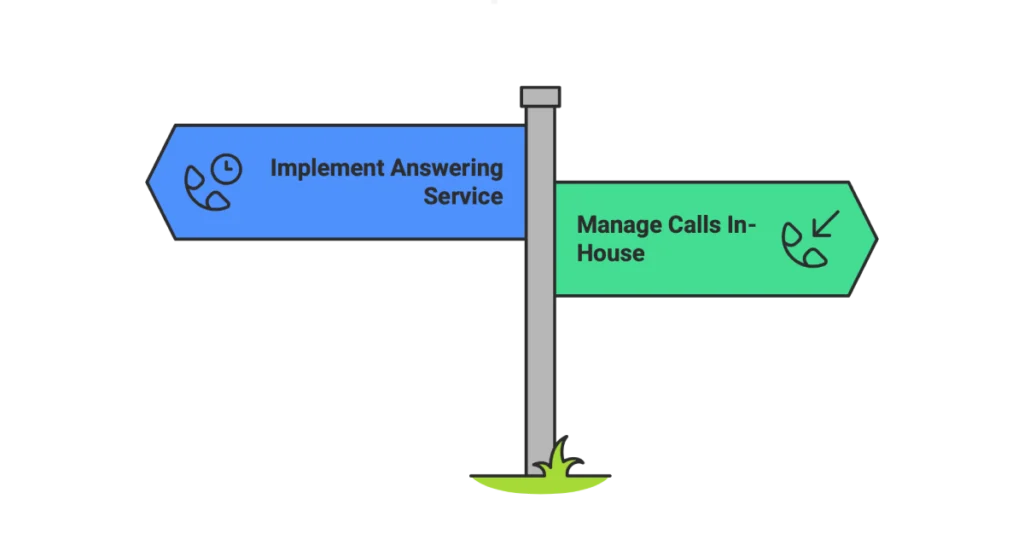
  • Zero Voicemail Policy: This is a firm operational mandate. Implement a professional, third-party answering service trained to sound like in-house staff and manage crisis intake if internal dispatch is unavailable.
  • Pre-Qualification and Commitment: The service must immediately pre-qualify the severity, capture essential client data, and secure the client’s commitment by guaranteeing a technician callback or arrival within a defined, minimal timeframe (e.g., 15 minutes).

2. Implementation: Advanced Call Routing and Tracking

A robust system is required to ensure instantaneous routing of lead information to the appropriate personnel, 24/7, with no failure points.

  • Practical Tool: CallRail or Integrated IVR System:
    • CallRail facilitates complex call routing based on time-of-day logic and geographical need.
    • Critical Fail-Safe Alert: Crucially, if the primary on-call technician misses the call, the system must immediately issue a redundant text alert (containing the caller ID and recorded message) to the technician and a secondary operations manager. This ensures no high-value water damage leads are ever lost.

Conclusion: Strategic Investment in Process

Advertising a water damage business on a small budget requires disciplined, strategic investment in process, not mass advertising. Success is determined by the firm’s ability to establish immediate credibility and secure exclusive contractual relationships.

  1. Prioritize Process: Allocate internal resources to mastering your Google Business Profile and implementing a robust, guaranteed 24/7 client intake and dispatch system.
  2. Invest in Intent: Dedicate limited financial capital exclusively to platforms that deliver high-intent, qualified prospects, primarily Google Local Service Ads (LSA).
  3. Secure Commercial Exclusivity: Utilize the ERP consultation strategy to bypass competition and secure guaranteed, high-revenue FNOL agreements with commercial entities.

How to Manage Plumbing Leads: A Comprehensive Guide to Conversion

Generating plumbing leads is the lifeblood of any successful service company. Whether those leads come from a glowing Google review, a targeted PPC campaign, or a trusted source where you buy plumbing leads, the common denominator for failure or success is management.

A high volume of raw inquiries is meaningless if your system leaks qualified opportunities. In fact, for many plumbing companies, the biggest constraint to growth isn’t generating more leads for plumbing, but optimizing the processes that convert the leads they already have.

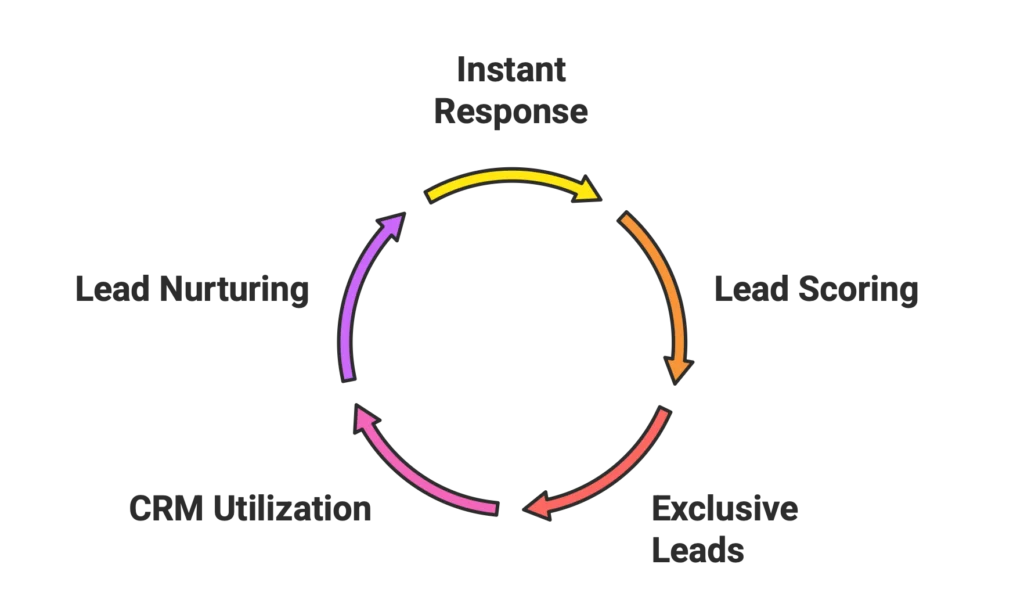
This guide will take you through the five pillars of effective lead management, ensuring every incoming inquiry is prioritized, acted upon instantly and converted into booked revenue.

1. Instant Lead Triage and Response

In the emergency-driven world of plumbing, time is quite literally money. If a homeowner has a burst pipe or a non-functioning water heater, they are calling the first three numbers on Google. The contractor who answers fastest and schedules a technician wins.

The 5-Minute Rule: Why Speed is Important

Studies consistently show that conversion rates drop by over 80% if a lead is not contacted within the first five minutes. For high-urgency plumbing leads, that window is even smaller.

  • The Race to Answer: The first company to confirm a service slot usually gets the job. Your goal is to move the lead from “Inquiry” status to “Booked Job” status as fast as possible.
  • Avoid Voicemail: Never let high-value leads for plumbing hit a generic voicemail box. Instead, implement a Call Tracking and IVR (Interactive Voice Response) system. These automated softwares capture contact details and immediately send an SMS notification to the on-call dispatcher or technician, ensuring 24/7 coverage and instant follow-up, even when staff are busy.

Implementing Multi-Channel Immediate Response

Your response must adapt to the channel the lead came from:

  1. Phone Calls: Route calls to a dedicated answering team 24/7. Even if the call is after hours, the team should be equipped to quote standard emergency fees and confirm an arrival window for the next morning.
  2. Web Forms/Chatbots: The moment a web form is submitted, the lead should trigger two actions:
    • An automated, personalized text message confirming receipt and providing a number to call if the emergency is critical.
    • An immediate notification and call script to the office staff to attempt a call-back within 90 seconds.
  3. Text Messages (SMS): Ensure your business number is enabled to receive and respond to texts. Many customers prefer texting over talking, especially for less urgent inquiries. Automate simple responses to buy your team time.

2. Lead Scoring and Prioritization

Effective lead management is about allocating your most valuable resources (skilled technicians and estimators) to the highest-value opportunities. This requires a robust lead scoring system.

Criteria for Plumbing Lead Scoring

Score every incoming plumbing lead based on two main factors: Urgency and Value.

Scoring FactorLow Score (Low Priority)High Score (High Priority)
UrgencyRoutine maintenance, aesthetic fixture replacement.Burst pipe, no hot water, major blockage.
Service ValueMinor drain cleaning, faucet repair (under $300).Water heater replacement, re-piping, slab leak detection (over $1,500).
Customer TypeOne-time residential client.Property manager, commercial client, existing service contract holder.
Lead Source QualityShared lead list (high competition).Exclusive, high-intent call or long-term referral partner.


The Prioritization Queue

Once scored, your leads for plumbing should be filtered into distinct queues:

  • Priority 1 (Red Alert): High Urgency + High Value (e.g., Burst pipe at a commercial restaurant). Action:Immediate dispatch, dropped everything else.
  • Priority 2 (Hot): High Urgency + Medium Value (e.g., Residential hot water heater failure). 
    Action: Schedule within 2-4 hours, immediate follow-up.
  • Priority 3 (Warm): Low Urgency + High Value (e.g., Quote requested for a full bathroom remodel). Action:Schedule estimator visit within 24-48 hours.
  • Priority 4 (Nurture): Low Urgency + Low Value (e.g., Routine drain cleaning quote request). 
    Action: Automated scheduling options, non-urgent follow-up, and placed into a long-term nurturing campaign.

3. The Power of Exclusive Leads and Direct Acquisition

When managing your lead pipeline, the source profoundly affects your management workload and conversion metrics. Shared leads create massive administrative strain; exclusive leads streamline operations.

Why Quality Trumps Quantity

Shared plumbing leads (often sold to 3-5 contractors) require the fastest response, immediate quoting, and often result in a price war. This means more time wasted by your office staff and estimators on jobs you may not win, raising your Cost Per Acquisition (CPA).

Exclusive leads, on the other hand, mean the customer has only heard from you, allowing you to focus on selling the value of your service, reliability, and expertise, rather than just the lowest price.

Integrating High-Quality Lead Generators

The decision to buy plumbing leads should be viewed as an optimization strategy, not a volume play. At Inquirly.com, we believe in delivering high-intent, exclusive calls to pre-qualify the lead and significantly reduce your administrative burden.

Inquirly is the specialized platform focused on delivering these high-quality, exclusive opportunities. We ensure the consumer is already ready to hire, so you spend less time vetting and more time serving.

  • Management Advantage: Less time spent qualifying, more time spent quoting and scheduling. Our exclusive leads require a robust but simple management system focused on tracking the time-to-close and the job value.

Learn more about Exclusive Plumbing Leads Here.

4. Centralized Management: CRM

The only way to execute rapid response, accurate scoring, and effective follow-up is by using a centralized Customer Relationship Management (CRM) or Field Service Management (FSM) platform. This is the nervous system of your lead management strategy.

Recommended CRM/FSM Tools

Selecting the right platform is critical. Here are a few top-tier CRM and Field Service Management (FSM) platforms commonly used by successful plumbing businesses:

  • Service Fusion: Offers a strong balance of features including complex scheduling, inventory tracking, and custom reporting.
  • Jobber: Highly recommended for residential service due to its excellent Customer Hub and communication features.
  • Housecall Pro: Ideal for small to mid-sized teams needing easy-to-use mobile dispatch, online booking, and quick invoicing.
  • FieldEdge: A robust solution often favored by larger plumbing operations for complex scheduling, service agreement management, and integration with accounting software.


Essential CRM Features for Plumbing Leads

Lead Source Tracking

Automatically records where each lead came from (Google Ads, website, referral, Inquirly) so you can attribute revenue and calculate ROI.

Time-to-Respond (TTR) Timer

Starts the moment a lead hits your system and alerts a manager if TTR exceeds five minutes—driving faster replies and higher close rates.

Automated Follow-Up Sequences

Sends scheduled texts/emails for unaccepted quotes (e.g., 24–48 hours) and appointment confirmations, saving staff time and reducing no-shows.

Digital Job Histories

Stores every note, quote, photo, and invoice under the client profile—vital for repeat work, warranty tracking, and technician handoffs.

Mobile Dispatching

Lets dispatch assign jobs directly to a technician’s phone, moving work from “Quote” to “In Progress” without paperwork or back-and-forth.


The Lead Management Workflow

An ideal workflow within your CRM follows a standard cycle:

  1. Capture: Lead enters via phone, web, or direct integration (e.g., a service where you buy plumbing leads).
  2. Triage: Automated scoring and TTR timer start. Dispatcher attempts contact.
  3. Convert: Quote provided; job is booked. Lead status moves to “Job Scheduled.”
  4. Service: Job completed. Technician records notes/photos in the system.
  5. Follow-Up: Automated text requests review/feedback. Client enters the long-term nurturing sequence.

5. Nurturing Unconverted and Past Leads

Not every lead converts immediately, and not every customer is a one-time transaction. Effective lead management includes robust strategies for long-term nurturing and turning old leads into new business.

Re-Engagement Campaigns for Unconverted Leads

A homeowner who requested a quote for a water heater replacement but didn’t book might have simply been sticker-shocked or busy. Don’t discard them.

  • The 30/60/90 Day Check-in: Set automated reminders to follow up at 30, 60, and 90 days. The messaging should shift from “Did you accept the quote?” to “We noticed your quote expired; prices are changing. Can we discuss alternatives?”
  • Value-Driven Content: Send email campaigns focused on the specific service they requested (e.g., “5 Signs Your Old Water Heater is a Safety Risk”). This keeps your company top-of-mind without being overly aggressive.

Maximizing Customer Lifetime Value (CLV)

Your best leads for plumbing are your past customers. They already trust you and are cheaper to convert than any new lead source.

  • Maintenance Contracts: Every closed job should be an opportunity to sell a preventative maintenance plan (e.g., annual water heater flush, drain line camera inspection). This provides predictable revenue and guaranteed plumbing leads for the following year.
  • Targeted Re-Marketing: If a customer had a repair (like a minor leak), target them with ads for related preventative services (like whole-home leak detection systems) 6-12 months later.

6. Continuous Analysis and Optimization

The final pillar of lead management is using your data to make smarter spending decisions. If you don’t track the journey of every single plumbing lead, you are managing in the dark.

Calculating True Return on Investment (ROI)

Effective management requires knowing the performance of every dollar spent.

ROI = (Revenue Generated from Source − Cost of Source) Cost of Source × 100


  • Example: If you spend $5,000 on Google Ads and it generates $25,000 in revenue, the ROI is 400%. If you spend $5,000 on a shared lead list and only generate $6,000 in revenue, the ROI is 20%. The high-quality, high-CPL leads often yield the highest ROI due to superior conversion rates.

Optimization Checklist

Reviewing these metrics monthly allows you to optimize your strategy:

  1. Conversion Rate by Source: Which source provides the best conversion rate from lead-to-booked job? (Hint: It’s usually referrals or high-intent exclusive sources where you buy plumbing leads). Invest more here.
  2. Cost Per Acquisition (CPA) by Source: Which source gives you the cheapest customer? Cut spending on sources with an unsustainable CPA.
  3. Time-to-Close (TTC): Monitor the average time it takes from initial inquiry to job completion. If this metric is too high, it indicates bottlenecks in scheduling, dispatch, or quoting that need to be addressed by your management team.

Conclusion

The most successful plumbing companies in 2025 will be defined not by how many plumbing leads they generate, but by their surgical efficiency in managing them.

By adhering to the 5-Minute Rule, implementing robust scoring, leveraging technology (CRM/FSM), and focusing your energy on high-quality exclusive leads from proven partners, you transform your business from a reactive service provider to a proactive, revenue-driven machine. Effective lead management is the gateway to scalable growth, predictable revenue, and lasting profitability.