Category Archives: Roofing

Top Roofing Industry Trends to Watch in 2024-2025

Have you noticed how much the roofing industry has changed in the last few years? What was a straightforward process has now evolved into a world filled with high-tech innovations, eco-friendly options and designs that combine functionality with style.

The roofing industry is no longer just about protecting homes. Today, it’s about energy efficiency, sustainability and even smart technology. For instance, thanks to advancements like solar panels, roofs can now generate power for your home, save your energy costs, and help the environment.

However, why is this important? Roofing trends are changing to satisfy the needs of consumers and businesses that are becoming more aware of their energy use and environmental impact. Roofing companies that stay informed about these trends can offer better services to their clients and succeed in a highly competitive market.

In this article, we’ll explore the top roofing trends to watch in 2024 and 2025, explain why staying updated on these trends is critical, and offer useful tips and tools to ensure you’re ready for the changes ahead.

Why Keeping Up with Roofing Trends Matters

Staying updated in the roofing world is not just following what’s popular, it also means staying competitive and on track. Roofing is a huge investment for homeowners, and they want the best solutions that can last for decades while also being energy-efficient and eco-friendly. As a business owner, you’ll want to offer these solutions to attract new clients. Plus, newer materials and technology often mean better durability and performance, which could save you and your clients time and effort in the long run.

Top 5 Roofing Industry Trends in 2024-2025

1. Solar Shingles

Solar shingles are quickly becoming one of the most exciting innovations in the roofing industry. They are designed to function as both roofing material and energy generators. They blend seamlessly into the roof’s structure and offer homeowners to create sustainable energy without compromising the beauty of their homes.

In sunny areas, these shingles can make a noticeable difference by generating electricity directly from your roof. As the technology gets better, solar shingles are producing more energy, even when the sun isn’t at its strongest. On top of that, many places offer incentives like tax breaks or discounts, which help reduce the overall cost. With a rising focus on sustainable energy, solar shingles are expected to become a standard feature on new roofs in the near future.

2. Cool Roofs
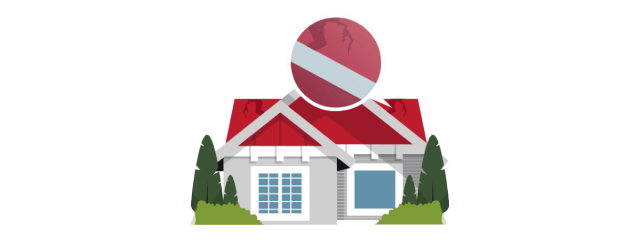
With climate change causing warmer summers, cool roofs seem to be growing in popularity. A cool roof is designed to reflect more sunlight than a standard roof and absorb less heat. These roofs are typically made from materials that are highly reflective, like certain tiles or coatings. They help to regulate the temperature inside the home, which reduces the need for air conditioning, resulting in lower energy bills.

Cool roofs also protect the roofing materials themselves. Excessive heat can cause traditional roofing materials to break down more quickly, leading to cracks and the need for regular repairs. Since cool roofs reduce heat absorption, they can also extend the lifespan of the roof, cutting down on long-term maintenance and replacement costs.

3. Synthetic Slate Roofing
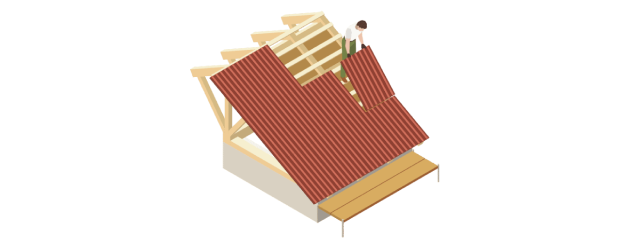
Synthetic slate roofing offers homeowners the elegance of traditional slate without the concerns. Natural slate has long been valued for its durability and classic look, yet it also has some serious drawbacks, such as being heavy, expensive and difficult to install. These problems are solved with synthetic slate, which has the same visual appeal at a significantly lower weight and expense.

Synthetic slate, which is made of materials like plastic or rubber, is intended to resemble actual stone and gives homes a luxurious look. Beyond appearances, though, it provides amazing durability. It is resistant to severe weather, including strong winds, heavy rains and even hail. Synthetic slate is more resilient and flexible than the traditional one. In addition to its durability and visual appeal, synthetic slates are made from recycled materials, making them more eco-friendly. To sum up, it is an attractive option for homeowners looking to reduce their environmental footprint and still enjoy a high-end look.

4. Custom Roof Colors

A new trend, Custom roof colors is giving homeowners more design freedom than ever before. Traditional roofing materials typically come in muted colors: grays, browns and blacks, but this is changing as more people are looking to personalize their homes with wider options.

For the roofing industry, this trend means expanding product offerings to include a wide variety of colors and finishes. Moreover, custom roof colors reflect a broader shift in the industry toward home design as a form of self-expression. Homeowners want to personalize every aspect of their homes, and the roof is no exception. This is especially important in areas with historic or architecturally unique homes, where custom colors help preserve or enhance the character of the property. In response to these demands, roofing companies are investing in new technologies and color-fast materials to meet consumer expectations.

5. Drone Inspections

Drone roof inspections are changing the way professionals and homeowners assess roof conditions. , inspecting a roof required ladders, scaffolding, and significant labor, often with potential risks of accidents or missed spots due to limited access to certain areas. Drones eliminate these obstacles, allowing inspectors to take high-resolution photos and videos of the roofs without ever setting foot on them. This technology is particularly useful for large or complex roofs, where certain areas may be difficult to access safely.

Drones equipped with powerful cameras and sensors can identify early signs of damage, such as leaks, cracks, or weak spots in roofing material. Many drones also come with thermal imaging capabilities, which can identify heat loss or insulation problems. This makes drone inspections faster and precise than traditional methods. For contractors, the benefits are clear, less time on-site, reduced risk of accidents and better service for their clients. And for homeowners, it means quicker, more accurate diagnostics, often at a lower cost.

Helpful Tips and Tools

  • Use 3D modeling or project management software to visualize roofing designs and improve workflow efficiency. Software like RoofSnap allows contractors to create precise roof models based on real property measurements.
  • For project management, tools like JobNimbus help track jobs, schedule tasks and manage both materials and labor, keeping everything organized and on track.
  • If you’re a contractor, drones are an essential tool for accurate and efficient roof inspections, especially for large-scale projects. DJI offers a range of high-quality drones designed for construction and inspection purposes. The DJI Mavic 3 Enterprise is a great example, offering advanced cameras and GPS capabilities to capture detailed roof footage.
  • If sustainability is a priority, work with suppliers who offer eco-friendly materials. Companies like GAF Energy are leaders in the field, offering innovative solar roofing systems that integrate directly into the roof. It is not only good for the planet, but it’s also a big selling point for eco-conscious clients.

Challenges You Might Face

For roofing business owners, one of the biggest challenges is managing the initial costs associated with adopting advanced materials and technologies. Investing in solar shingles, drones or energy-efficient roofing systems often requires significant capital.

Another challenge is the skill gap that comes with introducing new technologies. Integrating tools like drones for inspections or AI software for project management requires training and expertise. Many contractors may need to invest time and resources into upskilling their workforce, which can temporarily slow down operations.

Related Questions

How can I offer the most suitable energy-efficient roofing solutions for different climates?

Understanding which energy-efficient materials work best in various climates is essential for your business. For example, cool roofs may be more appropriate in hotter regions, while insulated materials like metal or foam may provide better protection in areas with fluctuating temperatures.

What long-term value can I demonstrate to customers when promoting sustainable roofing solutions?

When promoting sustainable roofing, emphasize long-term savings from reduced energy bills, lower maintenance costs due to durability, and the environmental benefits of reduced waste and carbon emissions. These factors add value beyond the initial investment, appealing to eco-conscious and cost-aware clients.

How can I integrate solar roofing options without disrupting ongoing projects?

To integrate solar roofing options without disrupting ongoing projects, plan by coordinating with certified solar installers early in the process.

Conclusion

The roofing industry in 2024-2025 is seeing a dynamic shift towards sustainability, technology and customization. Staying informed about these trends ensures that both homeowners and contractors can take full advantage of innovative solutions. Technologies like solar shingles, drones, and eco-friendly materials are changing how roofs are built, maintained and used. Remaining adaptable and knowledgeable is key to success as the industry continues to evolve.

Roofing Marketing Plan Checklist

Owning a Roofing business and want to make a bigger impact in your market? It all starts with a solid marketing plan. In this article, we will provide you the marketing plan checklist and guide you through the whole process.

Get Roofing Leads

Contact us

Before we start, let’s take a moment to understand why it’s so crucial for your business’s success.

A strong marketing plan can be the key to creating new opportunities, attracting more customers and eventually growing revenue. Without a clear plan in place, your company may struggle to distinguish itself from competitors and efficiently reach its target audience.

Key Benefits

📢 Brand Awareness – a decent marketing strategy increases your visibility and brand awareness among your target audience. It helps you position your company as the first choice when potential customers require roofing services.

👤 Customer Satisfaction – in simple terms, people begin to trust you when you demonstrate how good you are at your work and how much you care about making your clients happy. This trust keeps clients returning to you rather than going somewhere else. Plus, word-of-mouth referrals and testimonials help validate your reputation and increase your market credibility.

⚙️ Lead Generation – Lead generation is the process of discovering people who are interested in your roofing services and converting them into potential clients. With a great marketing strategy, you can attract the ideal audience who want what you have to offer.

Top 5 Roofing Marketing Plan Tips

  1. Google Your Roofing Company
  2. Offer Valuable Content
  3. Stay Updated
  4. Get Socials
  5. Team Up

1. Google Your Roofing Company

Google My Company

First things first, start by typing your roofing company’s name into Google. This simple step gives you a quick overview of how your business appears online. When you Google your roofing company, ideally, your website should appear at the top of the search results and appear those below listed:

  • Your Free Google My Business Listing – this listing includes essential details like your business address, phone number, operating hours and customer reviews
  • Google Maps Listing – it provides geographical information about your business location, making it easy for clients to discover you
  • Your Roofing Company Website
  • Your Roofing Company Facebook Page

If any of these elements are missing from the first page of Google search results, it’s important to take proactive steps, such as: Create or claim your listing on Google, focus on SEO for better visibility, create engaging content for Facebook, verify and update your roofing company address.

2. Offer Valuable Content

Engaging Contant for Roofing Marketing

We have already mentioned the importance of engaging content, so, what it is? Valuable content is the type of information or material that grabs people’s attention. Here, we provide a checklist that could benefit your online presence and reputation:

  • Informative Blog Posts – hare articles that truly answer the questions that potential customers or interested entities might have. Provide helpful tips&tricks and address industry trends related to roofing
  • Photos and Videos – share images and videos that will help audience visually see your expertise. Explain roofing techniques and even the customer testimonials
  • Interactive Content – people love participation and being part of something. Create quizzes and polls related to roofing to engage your audience.

3. Stay Updated

Stay Updated on Roofing Marketing Trends

Knowledge is power, as we have heard it already many times. In the roofing business staying constantly informed is essential. Keep yourself updated on latest trends, industry innovations and regulations. These could include everything, such as, new technologies, also just new roofing materials.

Regularly read publications and attend the seminars where these all is discussed. Training programs also keep your knowledge fresh and help you get better ideas!

4. Get Socials

Get Socials

Since we have already discussed the importance of social media presence such as Facebook. Let’s now focus more on other ones, namely, LinkedIn. LinkedIn offers unique opportunities to network with professionals and businesses in the roofing industry.

Create a LinkedIn profile for your roofing company and fill it with relevant keywords and a professional description of your services. Join roofing groups and participate in discussions to make connections and establish your expertise.

5. Team Up

Partnerships

Collaborating with other businesses in your area might result in mutually beneficial partnerships. Think about partnering with home improvement businesses, real estate agents, or property management organisations to expand your reach and provide bundled services.

Working together on marketing initiatives, events or promotions helps you leverage each other’s networks and attract new customers.

Conclusion

In this article, we’ve covered essential steps to boost your roofing business’s marketing efforts. From boosting your online presence to collaborating with others, these tips offer practical ways to grow your company. By using these strategies, you can take your roofing business to the next level.

Roofing Billboards Ideas in 2024

In the extremely competitive roofing sector in the United States, simply delivering high-quality roofing services is insufficient for advertising your company. To succeed, you must attract potential clients’ attention. Advertising platforms such as roofing billboards play an important role in increasing brand visibility and driving more customers.

Did you know that 71% of people pay attention to billboards while driving? That’s a lot of potential customers noticing your roofing business as they go about their day.

In this article, we show you how a simple billboard can make a big impact on your roofing business and how to apply billboard advertising to reach more customers and expand your brand.

Get Exclusive Roofing Leads Today

Contact Us

Benefits of Roofing Billboard Ads

Using billboards to promote your roofing business is a smart investment that can help you attract new customers and grow your brand in 2024. There are several benefits of applying those ads, such as:

  • Increase Brand Visibility – A well-designed billboard can raise awareness of your roofing company and make it easier to be recognized by prospective consumers.
  • Brand Identity – by strategically using logos, colors and messages, billboards portray the basis of your company, its values and its unique selling qualities.
  • Cost-Effective Advertising – Unlike other forms of advertising that require continuous investment, once built, your billboard will promote your brand 24 hours a day, seven days a week.

The Power of Visual Advertising

Statistics say that billboards make up 66% of total outdoor advertising revenue in the U.S. This means they’re extremely important for putting messages out there! Numbers show how effective billboards can be in reaching a large number of people. Billboards strategically placed in high-traffic areas, such as highways and city centers, are an excellent way to get your roofing company noticed by a big audience.

Roofing Billboard as a Marketing Strategy

Billboards are visually appealing, distinctive and have a broad reach. Integrating them into your marketing strategy will boost your roofing company’s visibility and growth. You can increase awareness of your roofing services and drive traffic to your business while also getting a high return on investment (ROI) compared to other types of advertising.

Overall, integrating billboards into your marketing strategy can help you promote a new service and demonstrate your expertise.

3 Most Creative Billboard Ideas For Roofers

To ensure the effectiveness of billboard advertising for roofing companies, it’s crucial to choose a style that connects with the target audience. Here are three widely successful billboard styles in the roofing industry:

1. Humorous Billboard


Statistics say, 56% of billboard viewers shared something funny they saw on a billboard with someone else. It highlights the social currency and word-of-mouth potential of these advertisements.

Create a comic billboard for the roofing sector using a playful scenario or smart tagline. This approach not only catches attention but also represents your company’s personality and expertise in an ‘informal’ and more friendly manner.

2. 3D Billboard

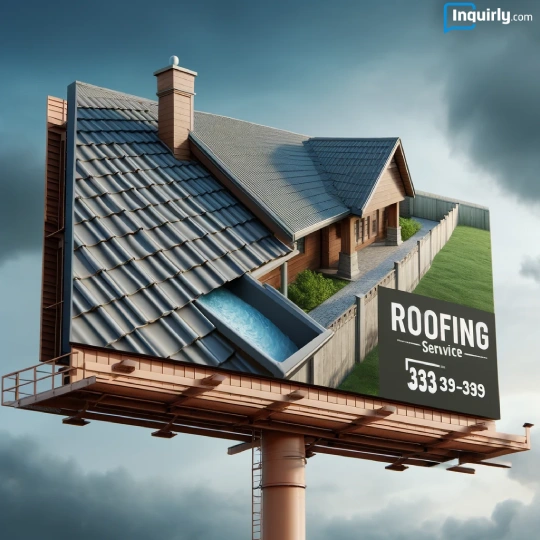
3D style roofing billboard idea

Create a three-dimensional billboard featuring a realistic image of a house with a dynamic roof. This eye-catching display will stand out from standard flat billboards and leave a lasting impact on visitors. You can use materials that resemble tiles or metal to add texture and depth and make it more realistic.

3. Visual Progress

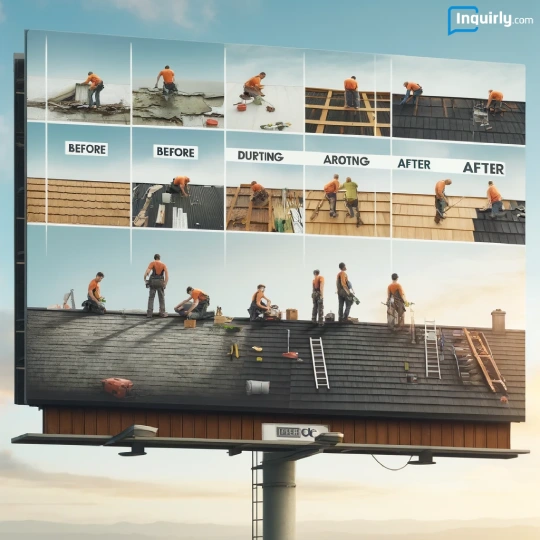
roofing billboard idea that showcases before and after

Create a billboard that shows the transformation of a roof over time. Begin with an old, worn-out roof, then gradually present the process of removing the old roofing materials and replacing them. This demonstrates the desired before-and-after results. The dynamic display captures attention and generates interest among viewers, pushing them to consider investing in quality roofing solutions for their own homes.

Colors and Visuals

When it comes to color and visual appeal in billboard design, there are a few rules to follow to ensure maximum impact.

✅ Use High-Contrast Colors to guarantee visibility even from a distance, use colors that align with your branding to maintain consistency and reinforce brand identity. The text should be large, clear and easy to read.

❌ Too many bright colors can be overwhelming and hard on the eyes. Irrelevant images and small, decorative texts, make it challenging for people to read the message or contact information.

Typography and Readability

✅ Select clear and readable fonts. Make sure that the text is large enough to be easily read from afar. Keep the text brief. Select colors for the text and background that offer strong contrast.

❌ Avoid too decorative fonts. Don’t use small fonts either, since they are almost impossible to read. Don’t overfill the billboard with too much text or information, as this can overwhelm viewers.

Message

Billboards have only a few seconds to capture passersby’s attention, that’s why message clarity and simplicity are very important.

✅ Keep it short. focus on the most important aspects of your message that are straight to the point. Highlight Key Benefits and use action words to encourage engagement. Make sure that contact information is also displayed to make your roofing business more user-friendly and easily reachable.

❌ Avoid jargon and any technical terms. Don’t overcomplicate and keep your message simple. Also, try to minimize distractions like a busy background.

Conclusion

In this article, we’ve explored the effectiveness of roofing billboard advertising in generating leads and building brand identity. It’s clear that in today’s marketing, where digital and traditional methods coexist, well-designed billboards play an important part in driving growth for roofing companies.

Google Ads for Roofers – Tips to Get More Leads

Did you know that businesses can boost their visibility on search engines by up to 80% using Google Ads? By targeting specific keywords and geo locations, roofers can maximize their advertising return on investment (ROI) and grow their business effectively.

So, want to generate more leads for your roofing business? Google Ads could be a great solution. In this article, we help you understand the essentials and provide tips on how Google Ads for roofers work.

Get Exclusive Roofing Leads Today

Contact us

Before we start with the tips it is important to have a little know-how about the benefits

🚀 Benefits of Google Ads for Roofers

  • Cost-Effectiveness – Google Ads uses a pay-per-click (PPC) method, which means you only pay if someone clicks on your ad. This is a perfect option for small and medium-sized roofing companies with limited marketing resources
  • Target Audience – you can tailor your ads to reach individuals who are actively looking for roofing services in your area
  • Quick Outcome – once your campaigns are up and running, you may begin drawing leads shortly thereafter

Now, let’s take a look at the tips to get more leads

Top 5 Google Ads Tips For Roofers

  1. Ad Copy
  2. Keyword Optimization
  3. Geo-Targeting
  4. Ad Extensions
  5. Negative Keywords
  6. Landing Page
  7. Conversion Tracking
  8. Ad Scheduling

1. Ad Copy

Words do have great power, even the statistics say that modifying a single word can increase your CTR by 161%, sounds great, right? That is why some businesses thrive while others struggle. It’s all about the Ad copy!

Ad copy is the first interaction that customers have with your brand. This encourages users to take action, click on your ad and discover what your company has to offer.

  1. Use easy-to-understand language and be concise. Try to highlight the benefits and unique selling aspects of your roofing services briefly. Do not use complicated sentences or jargon.
  2. Incorporate a powerful call-to-action (CTA) into your ad language to encourage users to act. It can be something like “Get a Free Quote” or “Book Your Appointment Today”.

2. Keyword Optimization

Keyword optimization is essential for the success of your roofing company’s Google Ads campaigns. Begin by selecting keywords that are highly related to your services and region, so that potential clients can simply find your ads when they search online.

Regularly review and refine your keyword strategy based on performance data. You can search for keywords using various online tools, such as Google Keyword Planner, SEMrush, or Ahrefs.

3. Geo-Targeting

Geo-targeting in Google Ads is a marketing technique that allows you to target your advertisements to specific geographical areas. This feature enables roofing companies to accurately target consumers in their service areas, ensuring that ads are seen by the most relevant people.

Advertisers can use geolocation data to build personalized campaigns, optimize ad performance and increase their return on investment.

4. Ad Extensions

You may use Ad extensions in your Google Ads to improve your ad’s visibility and relevancy in search engine results pages (SERP). Using ad extensions will increase your CTR (Click-through rate). There are several types of the Ad extensions, for example:

  • Sitelink Extensions – you can add additional links to specific pages on your website, directing users to landing pages or specific sections of your site.
Sitelink Extensions
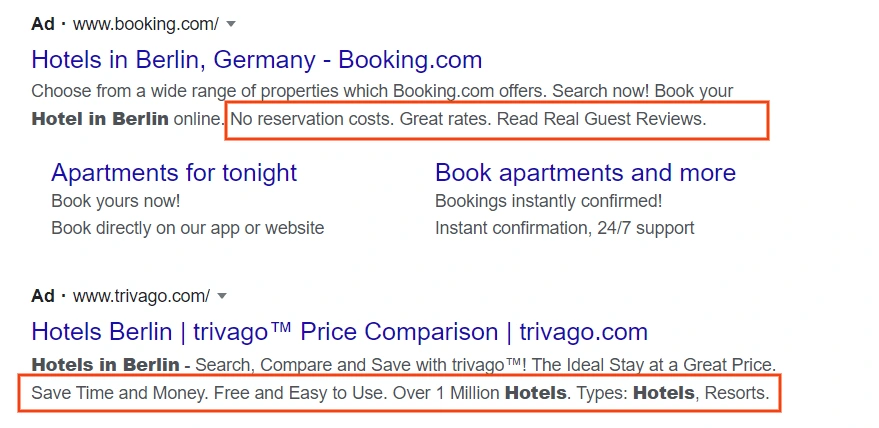
  • Callout Extensions – additional pieces of text that you can include in your Google Ads to highlight key selling points or offers. They display below your ad’s description and provide readers with additional information about the goods or services.
callout Extensions
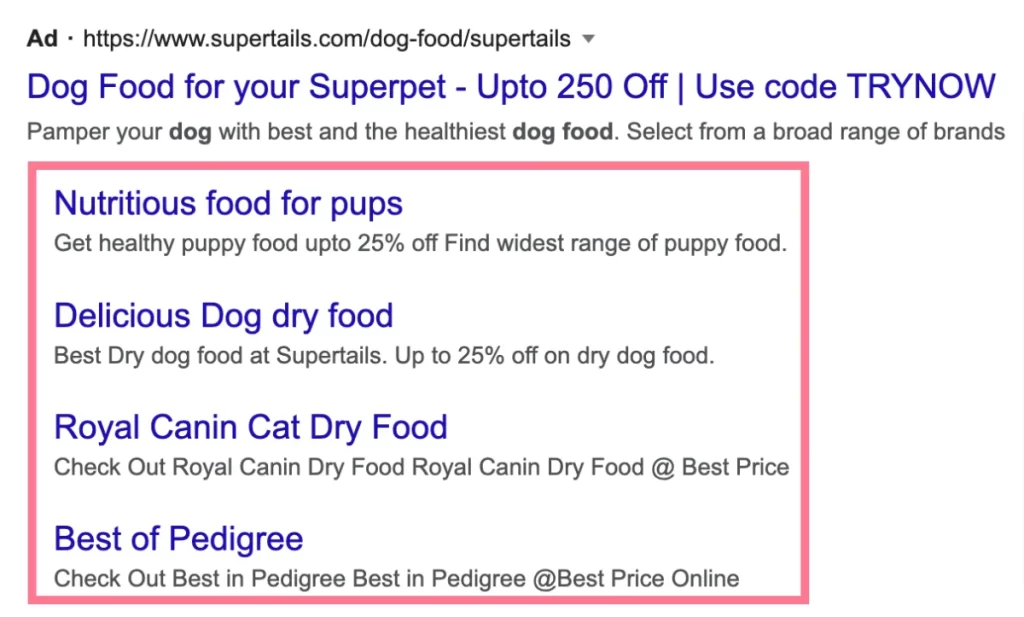
  • Structured Snippets – highlight specific characteristics of your products or services in an organized manner. These extensions appear below your ad description and showcase the categories or types of products/services your company provides. For example, if you run a roofing firm, you could use structured snippets to showcase various roofing materials, services, or warranty choices.
Structured Snippets

5. Negative Keywords

Keywords are good but now let’s talk about negative keywords. Briefly, negative keywords are phrases that you specify to prevent your ads from displaying when users include those keywords in their search queries.

Negative keywords in Google ads help businesses adjust their targeting and guarantee the ads are delivered to the most appropriate audience.

Negative keywords for a roofing business might include terms like:

  • “Free Roofing”
  • “Career/Training”
  • “DIY”

Regularly reviewing your search terms and implementing negative keywords is essential for lowering your cost per lead and increasing the relevance of the searches where your ads appear

6. Landing Page

Creating a dedicated landing page for your roofing business’s Google Ads will help you generate more leads. By creating a separate page for your ads, you can tailor the content and also measure how effectively your ads perform.

Focus on simplicity when making a landing page for Google Ads. Use a captivating headline that cuts the eyes of the users. Don’t forget, high-quality images are important to show the team, roofing projects and satisfied customers. Landing pages should be informative and easy to navigate, so potential customers can quickly find what they’re looking for and take action.

7. Conversion Tracking

Conversion tracking in Google Ads for roofing businesses is essential to increase lead generation. Tracking important actions such as form submissions or phone calls allows you to analyze the success of your ads and determine which campaigns generate the most value leads. This data enables you to optimize your ad spending and improve your targeting to get more quality leads.

  • Identify valuable behaviors on your website, such as form submissions or phone calls, that indicate leads or purchases generated by your Google ads.
  • In your Google Ads account, navigate to the “Tools & Settings” menu. Click on the “+ Conversion” button to create a new conversion action.
  • Test it to ensure it’s working correctly.

8. Ad Scheduling

Ad scheduling allows you to set certain hours and days for your advertisements to run, guaranteeing they reach your target audience when they’re most likely to convert.

There are a few steps to follow to set it up. First, it is important to identify the peak times when your roofing business receives the most clicks and conversions. Then in your Google Accounts access the Ad Scheduling tool and set your preference time and day you want your ads to appear. Lastly, monitor the ad performance and make adjustments if necessary.

What To Keep In Mind

When implementing Google Ads for roofers strategy for your roofing business, there are a few important things to remember. First, make sure your targeting is consistent with your ideal consumer demographics and geographic area. Second, keep track of and modify your budget allocation regularly to optimize spending. Third, stay up to date on industry trends. Lastly, prioritize quality score (a metric used by Google Ads) and ad testing to continuously improve your campaign’s effectiveness.

Conclusion

In this article, we provide all the essential information that will help you excel in mastering Google Ads for roofing businesses. Each of them carries significant importance in handling the complexities of online advertising successfully.

Implementing the tips and strategies discussed in this article can help you optimize your campaigns to generate more leads, enhance ad performance and eventually grow your roofing business.

5 Easy Ways to Get Roofing Leads

Did you know that in the US, the roofing industry is worth billions of dollars? and it is even expected to increase more 0.6% in 2024.

The numbers say it all, in such a competitive market to remain steady, as a roofer, you need to adapt new strategies and find new ways to get more roofing leads.

The strategies do not necessary mean focusing only on online presence. Keep in mind that word-of-mouth marketing and many other traditional methods have a lot to contribute in your roofing business. By combining online and offline strategies, you can reach more audience while staying competitive.

Get Exclusive Roofing Leads Today

Contact us

Top 5 Simple Steps To Generate More Leads

  1. Strategic Partnerships
  2. Lead Generation Companies
  3. Roofing Website
  4. Social Media Engagement
  5. Customer Testimonials
Strategic Partnerships to get more roofing leads

Networking is a key to success, as you have likely heard that phrase many times before. And.. it definitely is! From a broader viewpoint, it is obvious that teaming up with strategic partners helps generating more leads. But where to begin? After careful consideration of all the aspects, we present you some tips.

Firstly, don’t underestimate offline visibility. Attend relevant conferences, trade shows and every single event where you see the chances to network. Connect with businesses, like real estate agencies or hardware stores – they can send customers your way when their clients need roofing work done.

Another way is to find roofers or roofing companies in your local area, establish strategic partnerships and expand your business. You can also join local contractor groups, they often present valuable opportunities for growth.

2. Lead Generation Companies

Lead Generation Companies to get more roofing leads

Ever wished finding new clients was stress-free? Or want to focus more on other things? In that case, Roofing Lead Generation Companies should be your top choice.

Lead Generation Companies apply digital marketing strategies to convert interested individuals to real customers. Strategies, like digital advertising and search engine optimization (SEO), all together contribute in lead generation.

Companies such as, Inquirly focus on high-quality and exclusivity. In addition to drawing more clients, exclusive approach also helps to build better brand identity and reputation for your roofing business. In other words, Lead Generation Companies help you save your time and resources while increasing the return on investment (ROI).

3. Roofing Website

Roofing Website to get more roofing leads

First impression matters, that’s why a well-structured and visually appealing website is essential for your roofing business. Nice layouts and easy navigation result In user satisfaction and grant the possibility that they will stay on your website more time.

Still hesitant about it? Imagine, your roofing website can generate leads any time, without any time offs or breaks.

A well-designed roofing website enhances trust and credibility as well. Your roofing business will be seen as a recognized and respected authority. Additionally, keep in mind that you will always be several steps ahead of competitors who still have outdated or poorly optimized websites.

4. Social Media Engagement

Social Media Engagement to get more roofing leads

Having a strong presence on social media is just as important as having a well-designed website. Active interactions with your audience by posting content, participating in discussions or just replying to comments, help build your relationships and even attracting more potential customers.

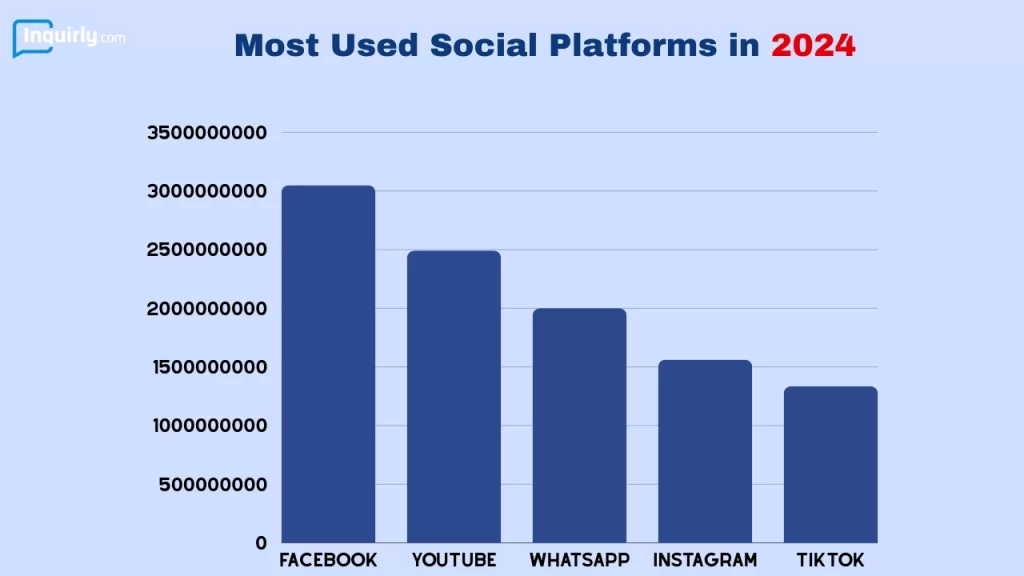
Recent statistics indicate that more than half of the world (62.3%) now uses social media. This numbers highlight the necessity of focusing the quality and engagement on your social media accounts. By improving your content, actively engaging with your audience and staying on top of current trends, you can easily use platforms to connect with potential customers and generate more leads.

Here, we provide some of the most interactive platforms

5. Customer Testimonials to get roofing leads

Customer Testimonials

Let’s take a look at another statistics, 92% of consumers read online reviews and testimonials when considering a purchase.

Customer reviews and testimonials are one of the best ways to get roofing leads. In other words, they are some kind of social proof that validates the quality of a good or service. When potential customers see the positive experiences of others, they feel more confident and secure in their decision to choose your roofing business.

Here we provide few essential steps to consider:

  1. Identify satisfied clients who have had good experiences with your roofing services
  2. Reach out and ask them to share their feedback about their experience
  3. Make sure you have clients’ permission to use their testimonials for marketing purposes
  4. Display all the testimonials on your website’s homepage and service pages

Conclusion

In conclusion, we have provided the insights about the easy ways to get roofing leads, each with its unique benefits. However, for optimal results, these strategies should support each other and work together.

By integrating above mentioned strategies into your overall marketing approach, you can develop an effective lead generation strategy that maximizes your range, engages the audience and boosts business growth in the roofing industry.

Types and Costs of Roofing Business Insurance in 2024

Have you just started your own roofing business and want to make sure it’s protected from potential issues? Roofing Business Insurance, as simple as that, is what keeps the company strong and secure. 

Roofing Business Insurance protects you against challenges like injuries and accidents and gives you a guarantee when things go south. Insurance isn’t just protection, it is a safety plan, ensuring both you and your business stay secure and thriving.

You can work without worrying about what-ifs because insurance has your back.

Get Exclusive Roofing Leads Today

Contact us

5 Types of Insurance for Your Roofing Company

  1. General Liability Insurance for Roofers
  2. Commercial Property Insurance
  3. Workers’ Compensation Insurance
  4. Commercial Auto Insurance
  5. Professional Liability Insurance

Wondering what are the average costs of each Roofing Business Insurance? We will break it down in this article.

1. General Liability Insurance for Roofers

General liability insurance is the main policy for roofing companies. It provides broad protection against various risks and liabilities that can arise in the roofing industry. This insurance covers:

Bodily Injury – coverage guarantees the safety of individuals in your roofing domain. Whether it’s a client inspecting your worksite or a passerby near your project, in case an accident occurs, both medical costs and potential legal complications are fully handled by general liability insurance.

Property Damage – warranty ensures that if an unanticipated incident damages a client’s property, your company will not be responsible for the repair costs, maintaining your reputation as a trustworthy roofing provider.

Advertising Injury – If a competitor claims that your advertisements have harmed their reputation, this component can help you avoid legal issues. It ensures that your company’s reputation remains positive, even in the heat of verbal disagreements in the roofing industry.

Coverage Amount: $1 million per occurrence

Cost on Average: $200-$600/month

General liability insurance is a key risk-management tool. Obtaining it is necessary for keeping your roofing business secure and reliable.

2. Commercial Property Insurance

Commercial Property Insurance protects the physical assets and properties owned by the company. This coverage is designed especially to protect against financial harm caused by the loss or damage to business properties. It involves maintaining your office space, tools, equipment, supplies, and other elements that make up your business property.

This protection covers incidents such as fire, theft, vandalism, and natural disasters like storms or hail. 

Cost on Average: $30-$70/month

3. Workers’ Compensation Insurance

Insurance for workers’ compensation is an essential protection mechanism for businesses and workers alike. It covers medical expenses and provides partial wage replacement for employees who are injured or become ill due to work-related activities.

In cases of long-term disability or death, it offers disability benefits and financial support to the employee’s dependents. 

This insurance is often mandatory for employers and helps them to maintain a secure and supportive work environment.

Cost on Average: $250/month

4. Commercial Auto Insurance

Commercial Auto Insurance is targeted according to the specific risks of roofing operations. Coverage includes everything from accidents to theft and weather-related damage. This insurance ensures that your work vehicles, which are important assets for your business, are protected on the road, so you can feel secure and worry less about unexpected setbacks. 

When purchasing Commercial Auto Insurance, make sure your coverage complies with your state’s rules. It’s essential to keep things simple and legal for your roofing business.

Coverage Amount: $1 million

Cost on Average: $175/month

5. Professional Roofing Liability Insurance

Professional Liability Insurance offers financial protection in the face of legal challenges related to the quality of roofing work. This insurance covers legal defense costs and potential settlements if a client raises concerns about the adequacy or standard of the roofing services provided by your company.

Cost on Average: $75/month

Key Aspects of Roofing Business Insurance Costs

The cost of insurance for roofing businesses can depend on various factors, such as the type and level of coverage, business size, location, claims history, risk assessment, safety measures, deductibles, coverage limits, experience, industry trends, and the choice of insurance provider.

Evaluating these aspects helps determine the premiums and ensures that the selected coverage aligns with the roofing business’s needs and budget.

How to Get Roofing Leads from Insurance Companies

Conclusion

Starting a roofing business comes with its challenges, and securing the right insurance is crucial for long-term success.
The article highlights five crucial insurance types for roofing companies, underscoring their importance in providing extensive coverage against potential risks and unexpected events.

Prioritizing these insurances allows companies to strengthen their stability and protect their reputation in a world of potential threats.