Author Archives: Autumn Andel

Top Tools and Technologies for Modern Appliance Repair

In 2025 appliances are packed with smart technology, delicate electronics and high-efficiency systems that demand more from technicians than just basic skills. To keep up, appliance repair pros need specialized tools, sharper diagnostic methods, and a solid understanding of how different systems work together inside today’s machines.

If you’re planning to get into appliance service, level up your skills, or just make sure you’re ready for that next unexpected breakdown at home, it all starts with having the right tools. Knowing how to find quality appliance parts online, building a maintenance tool list that actually covers real-world repairs and understanding the basics of testing and diagnosing appliances – these are the essentials that make repairs faster, safer and more reliable.

This guide gets straight to the point. You’ll get a clear look at the most important appliance repair tools, smart diagnostic gear worth investing in, and real answers to questions like “What tools are needed for appliance repair?” and “How do you test for faulty appliances?” Let’s get into it.


Table of Contents

  1. Essential Appliance Repair Tools Every Technician Needs
  2. Advanced Diagnostic Technologies for Appliance Repair
  3. Specialized Tools for Different Appliances
    • Washer Repair Tools
    • Refrigerator Repair Tools
  4. Where to Find Quality Appliance Parts Online
  5. Maintenance Tips for Appliance Repair Tools
  6. FAQs About Appliance Repairs and Tools

Appliance Repair Tools Every Technician Needs

What tools are needed for appliance repair? Let’s build a foundation first. Every technician should have a reliable, well-rounded technician tools list that covers the basics and anticipates modern challenges. Each of these appliance repair tools are to repair home appliances efficiently without damaging sensitive components. Here’s a breakdown:

  • Multimeter
    A must-have for anyone serious about repairing appliances. It measures voltage, continuity, and resistance – needed for diagnosing electrical faults safely.
  • Nut Drivers and Socket Sets
    Most modern appliances use hex-head fasteners. A good set of nut drivers (both metric and SAE) saves time and frustration during disassembly and reassembly.
  • Screwdrivers (Phillips and Flathead)
    Look for magnetic tips and insulated handles. Many appliances require reaching into tight spaces or dealing with delicate electronics.
  • Putty Knife
    Perfect for opening sealed components, removing panels and scraping gasket materials.
  • Pliers and Wrenches
    Basic gripping and turning are needed daily. For pliers and wrenches, what is required for proper maintenance? Regular cleaning, lubrication, and rust prevention – important for both tool longevity and safe use.
  • Appliance Diagnostic Tool
    Many brands like LG, Samsung, and Whirlpool offer proprietary handheld diagnostic tools or apps that plug into appliances and read error codes, speeding up repairs.
  • Flashlight or Headlamp
    Good lighting is essential when you’re working behind, under, or inside appliances.

Advanced Diagnostic Technologies for Appliance Repair

The way technicians diagnose appliances has completely transformed over the past few years. Experience and manual testing will always matter, but with modern appliances integrating complex electronics, sensors, and smart technologies, relying solely on intuition isn’t enough anymore.

Today’s appliance repairs demand faster, more accurate and data-driven diagnostics.
Here’s a closer look at the key technologies shaping modern diagnostics and why every technician should master them.

Smart Diagnostic Apps
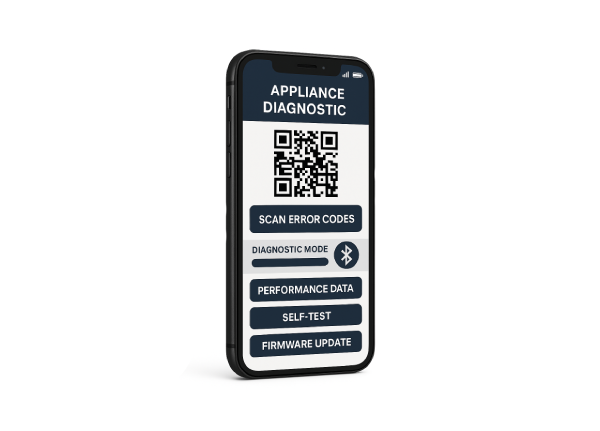
Modern appliances – especially washers, dryers, refrigerators and ovens – now come equipped with Wi-Fi or NFC (Near Field Communication) connectivity. Manufacturers like LG, Samsung, Whirlpool, and GE offer dedicated mobile apps that allow technicians (and sometimes homeowners) to interact directly with the appliance.

With smart diagnostic apps, you use a smartphone or tablet to connect directly to the appliance. Once connected, you can scan for error codes, check real-time performance data, and even run built-in self-diagnostic tests, all without needing to take the appliance apart. Some apps also allow you to update the appliance’s firmware remotely, fixing certain issues without the need for any physical repairs.

Smart apps reduce guesswork dramatically. Instead of manually checking multiple components to find a fault, a technician can receive precise error codes and diagnostic information in minutes. This speeds up repairs, helps with accurate machine repairs, and reduces unnecessary part replacements. It’s especially valuable when working with unfamiliar brands or newer models.

Thermal Imaging Cameras

Thermal Imaging Cameras appliance repair tools

Thermal imaging was once limited to high-end industrial repairs, but it’s becoming a must-have tool even for everyday appliance repairs.

Curious about how it works?

  • A thermal camera detects infrared energy (heat) and translates it into a visible image.
  • Areas with unusual heat patterns, such as a motor that’s running hot or a wire that’s overheating stand out immediately.


Many appliance failures are thermal in nature. A failing motor, shorted heating element, or overloaded circuit often shows heat signatures long before a complete breakdown occurs.
Using thermal imaging:

  • Technicians can diagnose issues without taking the appliance apart.
  • Problems like blocked ventilation in dryers, short circuits in ovens, or overloaded compressors in refrigerators become immediately visible.
  • Repairs become more targeted and cost-effective, and unnecessary disassembly is avoided.

Leak Detectors for Refrigerators
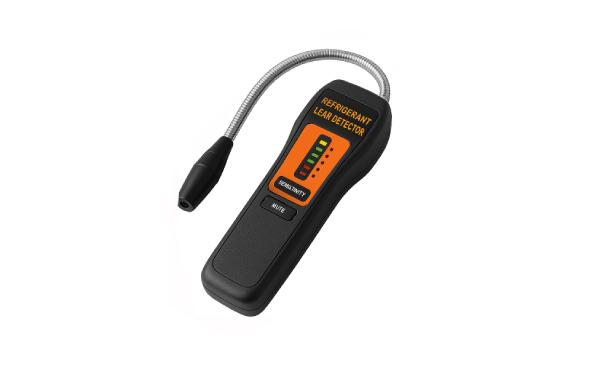
Leak Detectors for Refrigerators

Detecting leaks in sealed refrigeration systems (like those found in refrigerators and freezers) is crucial, especially since newer refrigerants are environmentally sensitive and highly regulated. A leak in a refrigeration system is a critical failure. If not found quickly, it can lead to complete appliance failure, compressor burnout and poor cooling performance.

Using an accurate leak detector (a standard part of any refrigerator repair kit) ensures that the source of the problem is pinpointed without “blindly” recharging the system or replacing costly parts that aren’t broken.

Electronic leak detectors are designed to detect refrigerant gases leaking from a system into the environment. They work by sensing small traces of refrigerant in the air, often using specialized technologies like heated diode sensors or ultrasonic sensors to pick up even the tiniest leaks. When a leak is detected, the device provides a clear signal, either through a flashing visual indicator or an audible alarm, to help the technician pinpoint the exact location of the problem quickly and accurately.

Specialized Tools for Different Appliances

Washer Repair Tools

Washers, especially front-load models, have unique repair challenges. Here are essentials:

  • Spanner wrenches for removing tubs
  • Spring expansion tools for gasket replacement
  • Agitator pullers for older top-load models These washer repair tools allow safe, efficient disassembly without damaging plastic or delicate drum components.

Refrigerator Repair Tools

What are instrument tools and materials needed in the repair and maintenance of refrigeration? Here is the list:

  • Vacuum Pumps: Remove moisture and air before recharging systems.
  • Refrigerant Gauges: Monitor system pressures accurately.
  • Leak Detectors: Find leaks quickly without disassembling the unit.
  • Digital Thermometers: Check internal temperatures precisely.
  • Recovery Systems: Safely capture refrigerants, complying with EPA regulations.

Where to Find Quality Appliance Parts Online

Finding reliable appliance parts online can be the difference between a repair that lasts and one that fails prematurely.

Here’s what to look for:

  • OEM Parts: (Original Equipment Manufacturer) Always prefer OEM for critical components like control boards, motors, and sensors.
  • Clear Return Policies: A reputable seller will offer straightforward return options if parts are incorrect or defective.
  • Technical Support: Good suppliers can cross-reference part numbers and models, saving you hours of research.

Trusted sources include:

Maintenance Tips for Appliance Repair Tools

Taking care of your appliance repair tools is critical to extending their life and ensuring they work when you need them most. Neglecting maintenance leads to unsafe repairs, slower work, and eventually higher costs to replace tools prematurely. Here’s a simple checklist to make sure your appliance repair tools stay reliable and ready for every job:


✅ Wipe down tools after every use.
After each repair, take a moment to clean your tools with a cloth. Removing debris, grease, and metal shavings prevents long-term damage and keeps tools performing smoothly.

✅ Inspect for wear and damage.
Check screwdriver tips, plier joints, and sockets regularly. Replace anything that shows signs of cracking, excessive wear, or rust to avoid frustrating breakdowns in the middle of a job.

✅ Lubricate moving parts.
Use a light machine oil on pliers, wrenches, and other moving tools. Lubrication keeps joints flexible and protects against corrosion, extending the life of your equipment.

✅ Organize and store tools properly.
Always store your tools in a dry, padded toolbox or on wall-mounted racks. Good storage prevents rust, keeps your tools organized, and makes your workflow more efficient when you’re on the job.

Read more about appliance repair here:

FAQ

How do you test for faulty appliances? +
What are the most critical appliance repair tools? +
Can I repair appliances without formal training? +
What is the best way to buy appliance parts online? +

HVAC Industry Events and Trade Shows to Attend in 2025

The HVAC world doesn’t look like it did five years ago, and it won’t stay the same for long. Between new tech, tighter environmental rules, and the pressure to build greener, more efficient spaces, everything’s moving fast. Heat pumps are pushing into colder climates. Smart systems can now flag issues before anyone even notices a problem. And those old high-GWP Global Warming Potential) refrigerants? They’re on their way out. If you want to stay in the loop, trade shows and events are a must this year. They’re where you see what’s actually working, what’s on the way, and how others are dealing with the same challenges you are.

2025’s lineup of HVAC events is looking especially important.

Table of Contents

  1. The HVAC Industry Transformation in 2025
  2. Why Attend HVAC Trade Shows This Year?
  3. Top International HVAC Events
  4. North American HVAC Expos
  5. Specialized HVAC Conferences
  6. Maximizing Your Trade Show ROI
  7. Final Recommendations


A Industry in Transformation

We are witnessing nothing short of a revolution in HVAC technologies. The push toward electrification, the phaseout of traditional refrigerants, and the integration of artificial intelligence into climate control systems are fundamentally changing how we approach temperature management in buildings. These changes represent a complete reimagining of what HVAC systems can and should do in an era of climate consciousness and smart buildings.

Why 2025 Matters More Than Ever

2025 is particularly significant for several reasons. New efficiency standards take effect across multiple markets, refrigerant transitions accelerate, and governments worldwide implement stricter decarbonization policies. For HVAC professionals, staying ahead of these changes equals to survival in an industry undergoing rapid transformation.

The Value of Face-to-Face Connections

While digital resources provide valuable information, there’s no substitute for the hands-on experience, personal connections, and live demonstrations that only major HVAC expos and conventions can offer. These events serve as the lifeblood of our industry, where innovations are unveiled, partnerships are formed, and the future of HVAC takes shape through meaningful in-person interactions.

Read more about The Role of Networking Events in HVAC Lead Generation

Premier HVAC Events: Expos and Conventions

Chillventa 2025

October 13-15 Nuremberg, Germany

Website: https://www.chillventa.de/en

As Europe’s premier refrigeration and heat pump exhibition, Chillventa offers North American contractors and engineers a valuable glimpse into technologies that will likely dominate our market in 2-3 years. The 2025 edition promises to be particularly significant with several key focuses:

Refrigerant Transition Solutions

  • Hands-on demonstrations of CO₂ systems optimized for commercial applications
  • New safety protocols for ammonia-based systems
  • Hydrocarbon solutions for specific market segments


Heat Pump Innovations

  • Industrial-scale heat pumps capable of delivering high-temperature water (up to 90°C)
  • Hybrid systems combining multiple renewable heat sources
  • Cold climate models with proven performance data from Scandinavian installations

Educational Opportunities

The concurrent conference program includes technical sessions you won’t find at U.S. events, particularly around:

  • European approaches to decarbonizing commercial refrigeration
  • Integration of heat pumps with district energy systems
  • Latest developments in compressor technology


European manufacturers are consistently 3-5 years ahead of North America in refrigerant transition and heat pump adoption. The insights you gain here will prepare you for changes coming to our market.

CIBSE Build2Perform Live

November 19‑20 • London, UK

website: https://elementallondon.show

This premier building services event offers HVAC professionals a unique opportunity to dive deep into system optimization and future trends. The 2025 program focuses on three critical areas:

1. Net-Zero HVAC Strategies

  • Case studies from the UK’s most ambitious low-carbon building projects
  • Practical approaches to heat pump retrofits in existing structures
  • Integration of thermal storage with mechanical systems

2. Smart Building Integration

  • AI-driven HVAC controls that continuously optimize performance
  • Interoperability between different building systems
  • Cybersecurity considerations for connected HVAC equipment


3. Professional Skills Development

  • Workshops on system commissioning and troubleshooting
  • New tools for energy performance analysis
  • Emerging standards and how to implement them


North American HVAC Events Worth Your Time

AHR Expo Mexico 

September 23-25 • Mexico City

website: https://www.ahrexpomexico.com/en/home/

AHR Mexico has become one of the most important regional HVAC events in North America. What makes it special is how it focuses specifically on solutions for Latin American markets. You’ll see equipment that’s been specially adapted for the local climate and building styles, something you won’t find at the bigger U.S. shows.

For networking, you can’t beat the access to manufacturers’ Latin American teams and contractors who understand the unique challenges of working in these markets. Many U.S. companies actually use this show to quietly test new products before launching them more widely – if you want to spot the next big trends before your competitors do, this is the place to be.

The more intimate setting actually works in your favor, making it easier to have real conversations with exhibitors and other attendees without the overwhelming crowds of larger shows. Just be ready to walk the show floor with an open mind – some of the most innovative solutions here come from local manufacturers you may not have heard of yet.


Specialized HVAC Conferences

HVAC Excellence Educators Conference

March 16-19 • Las Vegas

website: https://nasrc.org/event/2025

This often-overlooked event plays a crucial role in shaping the future of the HVAC workforce. It features cutting-edge training methods such as VR and AR applications for HVAC education, new tools designed to teach refrigerant transition, and best practices for developing hands-on skills.

The event also focuses on industry alignment, offering updates on certification requirements, strategies to address the ongoing technician shortage, and guidance on developing curriculum for emerging technologies.

Maximizing Your Event Experience

To derive full value from these gatherings, professionals should adopt a strategic approach. Begin by clearly defining your objectives – whether they involve sourcing specific technologies, developing professional skills, or expanding your network. Prioritize events that align most closely with your current business needs and growth areas.

Preparation is key. Review exhibitor lists and conference programs in advance, identifying must-see booths and sessions. Schedule meetings with key contacts well before the event to ensure quality face time. During the show, balance structured activities with open exploration – some of the most valuable discoveries happen in unexpected conversations.

Post-event follow-through separates successful attendees from mere visitors. Organize collected materials promptly while impressions remain fresh, and initiate follow-up communications within days of returning. Consider how to share key learnings with colleagues who couldn’t attend, multiplying the value of your investment.

Want to learn more about Hvac?
Check out:

Networking Strategies to Grow Your HVAC Business

Growing a successful HVAC business today takes more than just technical skill, it takes people skills. While digital HVAC marketing and advertising are crucial, word-of-mouth and real-world connections still hold massive value in this industry.

In fact, many HVAC businesses find their most reliable, high-quality leads come not from online ads, but from relationships they’ve built, whether with contractors, property managers, suppliers, or even satisfied customers. Trust, once earned, becomes a powerful driver of repeat business and referrals.

HVAC networking is a core growth strategy. It opens the door to long-term partnerships, strengthens your local presence, and positions your brand as a dependable solution within your market.

In this guide, we’ll cover practical, actionable strategies to build your HVAC network, generate leads through relationships, and elevate your presence in both your local community and industry.

Why Networking is Essential for HVAC Businesses

When you think about how to market your HVAC business, your mind probably jumps to paid ads, SEO, and social media. While all of these play a role, personal connections are often the catalyst for real growth, especially for local service-based businesses like HVAC.

In other words, HVAC networks are a long game with high ROI. Here’s why:

  • Referrals close faster – A recommendation from someone they trust makes customers more likely to hire you.
  • Trust is built-in – HVAC is often urgent work. People want someone they know or who comes recommended.
  • Long-term value – Relationships with other businesses can bring in steady, repeat leads over time.

Start Local: Build Your Base

Before trying to scale, start with your own neighborhood. Local HVAC networking helps you establish a strong foundation.

Join Your Local Chamber of Commerce

It may sound old-school, but Chambers are powerful. You’ll meet local business owners who may need your services or know someone who does.

Partner With Complementary Businesses

Create informal referral agreements with:

  • Electricians
  • Plumbers
  • Real estate agents
  • Property managers

For example, if a real estate agent has a client moving into an older home, you could be their go-to HVAC contact. And you do the same in return.

Attend Local Events and Home Shows

Even in a digital world, face time matters. Have a booth, give away branded swag, or do a demo. Don’t hard sell, just show up, offer value, and build trust.

Industry-Specific HVAC Networks

Beyond your zip code, there’s a whole world of HVAC networks out there. Joining them can expose you to business best practices, vendor deals, and peer support.

Join Professional Associations

Organizations like:

  • ACCA (Air Conditioning Contractors of America)
  • RSES (Refrigeration Service Engineers Society)

…aren’t just for technical certifications. They’re a hub for HVAC marketing, shared job leads, and networking.

Engage in Online HVAC Communities

From Reddit threads to private Facebook groups to forums like HVAC-Talk, your peers are everywhere. Ask questions, answer others, share your work. Be helpful, not spammy. Your reputation will grow naturally.

Go to Trade Shows and Conferences

These events are dense with opportunity. Bring business cards, listen more than you speak, and follow up with everyone you meet.

Here you will see the more detailed info about The Role of Networking Events in HVAC Lead Generation

Online HVAC Networking

While in-person connections are powerful, digital networking expands your reach.

LinkedIn for B2B Connections

  • Connect with property managers, facility directors, and other professionals who hire HVAC contractors.
  • Share industry insights to establish authority.

Facebook & Nextdoor for Local Leads

  • Join local community groups where homeowners ask for HVAC recommendations.
  • Answer questions without being overly promotional.

Online Reviews & Testimonials

  • Encourage satisfied customers to leave Google or Yelp reviews.
  • Positive feedback builds trust with potential clients.

Incentives for Referrals

People refer businesses they trust, but a little incentive never hurts.

  • Discounts for Referrals – “Get $50 off your next service for every friend who books with us.”
  • Partnership Commissions – Offer a small fee to contractors who bring you jobs.
  • Loyalty Rewards – Reward repeat customers with free maintenance checks.

Conclusion

If you’re trying to figure out how to market your HVAC business, keep this in mind: not everything happens online. Some of the best opportunities come from real conversations, teaming up with local businesses, chatting at industry events, or just being visible in your community.

Combining local partnerships, community engagement, online presence, and referral incentives, create a steady stream of leads without relying solely on HVAC advertising.

Start small, stay consistent, and watch your network and your business expand.

Need help with HVAC marketing? Check out our guide on how to market your HVAC business for more strategies.

The Benefits of Joining Professional Appliance Repair Associations

The appliance repair field has changed a lot in recent years. The tools, the technology, and even the expectations from customers have evolved. Today, running a repair business means staying up to date, not just with how machines work, but with how the industry operates. Amid this shift, many professionals are turning to professional appliance repair associations.

These associations play a practical role in the day-to-day lives of appliance repair professionals. They offer access to hands-on training, updates on industry regulations, and a space to connect with others facing the same challenges. For independent technicians and small teams, this kind of support can be hard to come by and incredibly valuable.

Table of Contents

  1. Appliance Repair Industry Overview
  2. What Are Appliance Repair Associations?
  3. Understanding the Role of Appliance Repair Unions
  4. Top Benefits of Joining a Professional Appliance Repair Association
  5. How Associations Support Independent Appliance Repair Professionals
  6. United Appliance Servicers Association (UASA)
  7. 7 Benefits of Hiring a Professional to Fix Your Appliances
  8. Conclusion

Appliance Repair Industry

Industry revenue of appliance repair in the United States has grown at a CAGR of 1.9 % over the past five years, to reach an estimated $6.5bn in 2025, according to IBISWorld. With households increasingly relying on smart appliances and high-end machines, the demand for skilled technicians has never been higher.

However, the industry faces its own set of challenges: a shortage of skilled labor, regulatory changes, fluctuating demand, and increased customer expectations. For both newcomers and experienced professionals, staying informed and competitive requires continuous learning and community support.

What Are Appliance Repair Associations?

Appliance repair associations like the United Appliance Servicers Association (UASA) and the Appliance Services Union are organized groups that serve the business and professional development needs of those in the repair trade. They provide:

  • Access to certified training and courses
  • Industry news, legal updates, and regulatory alerts
  • Local and national networking opportunities
  • Operational tools and templates
  • Group discounts on insurance, software, and supplies

In short, they function as knowledge centers and support systems for individuals and businesses operating within the appliance repair ecosystem. and broader appliance service group community.

Understanding the Role of Appliance Repair Unions

Unions aim to secure better pay, fair work conditions, and labor rights for technicians. While not every technician joins a union, being part of one can offer:

  • Collective bargaining power
  • Legal representation in disputes
  • Retirement and health benefits

For those in metropolitan areas or working in larger firms, union membership can significantly improve job stability.

Top Benefits of Joining a Professional Appliance Repair Association


a. Strengthening Credibility with Clients and Partners

When you’re part of a respected appliance repair association, it signals to clients and partners that you’re committed to quality and professionalism. Many associations have codes of conduct or ethics guidelines, and customers often look for those affiliations when deciding who to trust with expensive appliances. In B2B scenarios, such as subcontracting or partnerships, your membership can be seen as a qualification filter, especially with insurance providers and warranty companies.

b. Ongoing Training, Certifications, and Skill-Building

Technology in the appliance repair industry changes quickly. Associations like the United Appliance Servicers Association (UASA) offer specialized training on diagnosing and repairing smart appliances, understanding energy efficiency standards, handling refrigerants under EPA Section 608, and working with new brands or imported models.

These training sessions can be delivered through live webinars, self-paced video modules, or in-person workshops at industry events. Besides sharpening your skills, certified training also helps when negotiating higher service fees or applying for contracts that require credentialed technicians.

Some associations even provide manufacturer-specific training, giving you early access to service documentation that isn’t always publicly available.

c. Legal Guidance and Industry Advocacy

Navigating local licensing laws, safety regulations, and warranty policies can be overwhelming, especially for small businesses. Associations often provide direct access to legal templates, such as service contracts, non-compete agreements, and liability waivers, saving you the cost of hiring an attorney.

They also keep members updated on legislation that could affect how you run your business, such as changes to independent contractor classifications, extended producer responsibility laws, or appliance disposal regulations. In some cases, they even advocate at the state or federal level to protect the interests of repair professionals.

d. Networking Opportunities and Sustainable Growth

One of the more overlooked benefits is the access to a peer network. From in-person meetups at the Annual Service Training Institute (ASTI) to active private forums and regional chapters, you’re able to connect with technicians, mentors, and even suppliers.

Groups like the Top Fix Service Group have expanded their operations through referrals and partnerships built during association events. If you’re a small outfit, this kind of visibility can help you secure subcontracting work, find experienced technicians, or even explore mergers and acquisitions if you’re thinking long-term.

Some associations also maintain member directories and job boards where potential customers and hiring managers can find verified professionals.

e. Tools, Discounts, and Operational Support

Membership comes with access to exclusive tools and services that can save both time and money. These may include:

  • Diagnostic software with access to appliance schematics
  • Parts lookup systems and repair databases
  • CRM platforms like Housecall Pro or ServiceTitan
  • Marketing kits and editable customer forms
  • Discounted business insurance, uniforms, and supplies


For solo operators, these resources function almost like a virtual back-office team, helping you streamline daily operations and improve the customer experience.

How Associations Support Independent Appliance Repair Professionals

For many, independent appliance repair is a solo or small-team operation. This means limited time and access to resources. Associations act as a force multiplier, providing:

  • Templates for service agreements
  • Best practice guidelines
  • Insurance group rates
  • Shared job boards and technician finders

Being part of an appliance service group can open the door to scaling your business or even collaborating with larger entities.

United Appliance Servicers Association (UASA)

United Appliance Servicers Association (UASA)


The United Appliance Servicers Association is one of the most active and resource-rich organizations in the sector. Their highlights include:

  • ASTI (Annual Service Training Institute): A major yearly event with classes, vendor showcases, and networking.
  • Business Boot Camps: Designed to help owners streamline operations, improve margins, and grow their customer base.
  • Online Resource Center: A library of video training, compliance checklists, and downloadable business documents.


Website: United Appliance Servicers Association

7 Benefits of Hiring a Professional to Fix Your Appliances

When customers choose a certified technician or a company tied to an appliance repair association, they benefit from:

  1. Accurate diagnostics and efficient repairs
  2. Lower long-term costs through proper fixes
  3. Warranty-compliant service
  4. Safe handling of gas and electrical systems
  5. Longer appliance lifespan
  6. Environmentally conscious repairs
  7. Post-service support and reliability

Associations often run public education campaigns around these benefits to raise awareness and build trust in the profession.

Looking for Exclusive Appliance Repair Leads?
Contact us Today

Conclusion

Joining a professional group like the United Appliance Servicers Association or the Appliance Services Union offers more than surface-level perks. It’s a practical way to improve how you work, stay protected, and tap into a broader network of people facing the same challenges.

Independent or part of a larger service group, connecting with these organizations can make your business sharper, stronger, and more resilient in a constantly evolving market.

Explore your options, connect with others in the trade, and give your business the support it deserves.

How to Use Social Media to Increase Appliance Repair Leads

Nowadays in the home appliances market, staying visible to potential customers goes far beyond listing your services on a website or handing out flyers. Social media has evolved into a dominant tool for lead generation, especially in the appliance repair industry. As a core part of modern appliance repair marketing, platforms like Facebook, Instagram, and even YouTube now play a central role in shaping consumer decisions, and appliance repair companies can no longer afford to treat them as afterthoughts.

The consumer appliances industry is filled with businesses competing for attention. People searching for a fast fridge fix or a reliable technician to diagnose a noisy washer will often start online. But being listed isn’t enough. You need to be found, trusted, and remembered. That’s where a focused, well-managed social media presence becomes one of your strongest marketing tools.

Get Exclusive Appliance Repair Leads

Contact us

Social Media for Appliance Repair Companies

Beside social media being for brand awareness, it also plays a direct role in generating appliance repair leads and building trust with your local audience. It allows you to:

  • Build credibility through educational and behind-the-scenes content
  • Reach homeowners at the moment they’re searching for help
  • Encourage satisfied customers to refer friends and family
  • Retarget previous visitors who didn’t book yet
  • Showcase successful repairs in real homes, not stock images


When paired with targeted advertising, the potential multiplies. A well-executed appliance repair marketing strategy on social media can help you own your local market, stand out from low-cost competitors, and turn new visitors into long-term customers.

How to choose the Right Platforms?

Not all social media platforms are equally effective when it comes to appliance repair marketing. Each has its own strengths, audience behavior, and relevance to the consumer appliances industry. The goal is to be where your ideal customers spend time and where your content can actually make an impact.

Understanding your audience is the starting point. In the household appliance market, the primary customers tend to be:

  • Homeowners, often aged 30–65
  • Landlords and property managers responsible for multiple homes
  • Renters seeking repair services recommended by peers
  • Local businesses needing appliance repair for breakrooms, kitchens, etc.

With that in mind, here’s a breakdown of platforms and their role in a well-rounded appliance repair marketing strategy:


Facebook

Facebook remains the strongest platform for local service businesses. Over 70% of U.S. adults use it regularly, with particularly high usage among homeowners and older age groups, those most likely to need appliance repair services.

Key strengths for appliance repair companies:

  • Local Targeting: You can run ads within specific ZIP codes or towns, reaching only nearby residents.
  • Booking Features: You can add a “Book Now” button, integrate Messenger for direct quotes, and collect reviews.
  • Community Groups: Local groups are filled with residents seeking recommendations. Participating in these groups can bring free exposure and trust.


Instagram

Instagram is highly visual and widely used by homeowners aged 25–45. It’s especially powerful for demonstrating your work, building brand personality, and catching attention quickly with photos and video.

Key strengths:

  • Before-and-After Content: A compelling visual of a fixed oven or restored dryer builds instant credibility.
  • Stories and Reels: Short-form videos showing repairs, tools, or maintenance tips perform well.
  • Local Hashtags: Hashtags like #AustinRepair or #BrooklynHomeServices can attract nearby users.


YouTube

YouTube is the second-largest search engine in the world. Many people turn to it before calling a technician, hoping to understand a problem or try a DIY fix. This creates a golden opportunity: provide helpful videos, and they’ll trust you first when it’s time to hire someone.

Key strengths:

  • Educational Content: Tutorials on appliance maintenance or common failures can drive long-term traffic.
  • Local Optimization: Adding city names in your video titles (e.g., “How to Fix a Leaky Dishwasher in Miami”) helps with local search.
  • Lead Magnet: YouTube viewers are often more ready to buy, they’re actively looking for help.


Nextdoor

Nextdoor is a neighborhood-focused platform built specifically for hyperlocal communication. It’s a place where real people recommend services they’ve used, and neighbors ask for trusted referrals.

Key strengths:

  • Hyperlocal Exposure: Posts are shown only to people nearby, so every view is a potential lead.
  • Reputation-Based: Referrals from neighbors carry more weight than ads or SEO results.
  • Free Listings: You can create a verified business profile for your appliance repair company, making you easier to find.

Content

People book an appliance repair service because they trust the technician knows what they’re doing. Every post should reflect that trust.

Here’s what works well in the home appliances industry:

  1. Before-and-After Repair Photos – These are simple but powerful. Post a short story with each: “Repaired this dryer for a family in downtown Houston. Heating element was worn out—good as new now.”
  2. Short Troubleshooting Videos – Quick videos explaining how to reset a tripped breaker or clean a dishwasher filter show expertise. It also makes homeowners more likely to call you for bigger jobs.
  3. Customer Testimonials – Ask happy clients to leave a short video or allow you to post their written feedback with a photo of the fixed appliance.
  4. Seasonal Maintenance Tips – In winter, post tips on maintaining heating systems. Before summer, talk about fridge or A/C maintenance. These establish your brand as proactive, not just reactive.
  5. “Meet the Tech” Introductions – Introduce your team. A friendly face and a short bio make people more comfortable reaching out, especially for in-home service.

Using Paid Social Ads the Right Way

Organic content builds reputation. Paid content drives immediate action. Appliance repair advertising on social media can target by ZIP code, homeowner status, age group, and even recent search behavior.

Here’s how to approach it:

  • Run “Book Now” Facebook Ads targeted to users within a 15-mile radius of your service area. Use real photos of your team at work. Avoid stock images.
  • Use Retargeting Ads for people who’ve visited your website but didn’t book. Show them a reminder ad two days later, offering a small incentive like $10 off a service call.
  • Promote Time-Sensitive Offers like “Free diagnostics this week only” with a strong call to action.


If you’re not familiar with Facebook Ads Manager, it’s worth considering appliance repair marketing companies that specialize in local lead generation. The best appliance repair marketing services will test ad formats, adjust audience settings, and manage budgets while you focus on repairs.

Engage with the Community

One of the biggest mistakes appliance repair companies make is treating social media like a one-way street. Posting and ignoring comments is not enough.

  • Respond Quickly to Comments and Messages. Treat every interaction as a potential lead. A comment asking, “Do you work with Samsung washers?” is a hot lead, not just a question.
  • Join Local Groups on Facebook where residents ask for recommendations. Follow group rules and contribute genuinely.
  • Encourage Shares and Tags by running small giveaways, like a free dryer vent cleaning for someone who tags a friend needing repairs.

Track Results and Improve

To grow your appliance repair business, you need to measure what works. Here’s how to track your results effectively:

Purpose Tool What It Does
Social media analytics Meta Business Suite Tracks reach, engagement, and clicks for Facebook and Instagram posts & ads.
Call tracking CallRail Tracks which campaigns generate phone calls using unique numbers.
Link performance tracking Google Campaign URL Builder Creates UTM-tagged links to track traffic and conversions.
Website traffic & conversions Google Analytics Monitors visitor behavior and identifies lead sources.
CRM + job management Housecall Pro Manages bookings, customers, invoicing, and lead tracking in one platform.


Looking for more info about appliance repair business?

Check out our Sales Tips for Appliance Repair Businesses  and Appliance Repair Billboard Ideas in 2025

Conclusion

If you’re serious about using social media to grow your appliance repair business, the most valuable step you can take now is to build a system, not just content. A consistent appliance repair marketing approach means creating a calendar, deciding how often you’ll post, assigning someone to respond to messages, setting up call tracking, and reviewing results each month.

This doesn’t need to be complicated, but it does need to be consistent. Social media only starts producing results when it’s treated as a real part of your appliance repair marketing efforts.

Show your actual work. Use your own photos. Let people see how you solve problems. That’s what builds trust and that’s what turns views into calls. Set up your system, commit to it for 90 days, and see what’s actually working. That’s how you get real leads, not just likes.

How to Get Free Plumbing Leads 

The plumbing industry is evolving and fast. Customers no longer flip through the Yellow Pages or wait for postcards in the mail. When a pipe bursts, a toilet overflows, or a renovation requires new lines, they grab their phones and type one thing into Google: “plumber near me.” If your business doesn’t show up, you’re not just missing visibility, you’re missing out on proven plumbing opportunities that your competitors are already capitalizing on.

Companies that understand online visibility, local trust signals, and lead capture are already winning the plumbing jobs you want.

And here’s the good news: you don’t have to buy overpriced leads, flood your inbox with junk jobs, or compete in a race to the bottom on marketplaces.

There are smarter ways to get plumbing leads and many of them cost nothing but time, consistency, and a bit of know-how.

Let’s break down 5 proven plumbing lead generation strategies that will help you get more plumbing customers in 2025 and beyond, without paying for every click.

Table of Contents

  1. Own the Map: Google Business Profile & Local Pack Visibility
  2. Build a Website That Captures Leads 24/7
  3. Turn SEO into a Long-Term Engine for Proven Plumbing Leads
  4. Get Listed in Free High-Authority Directories
  5. Leverage Reviews and Referrals to Multiply Your Reach

1. Optimize Your Google Business Profile

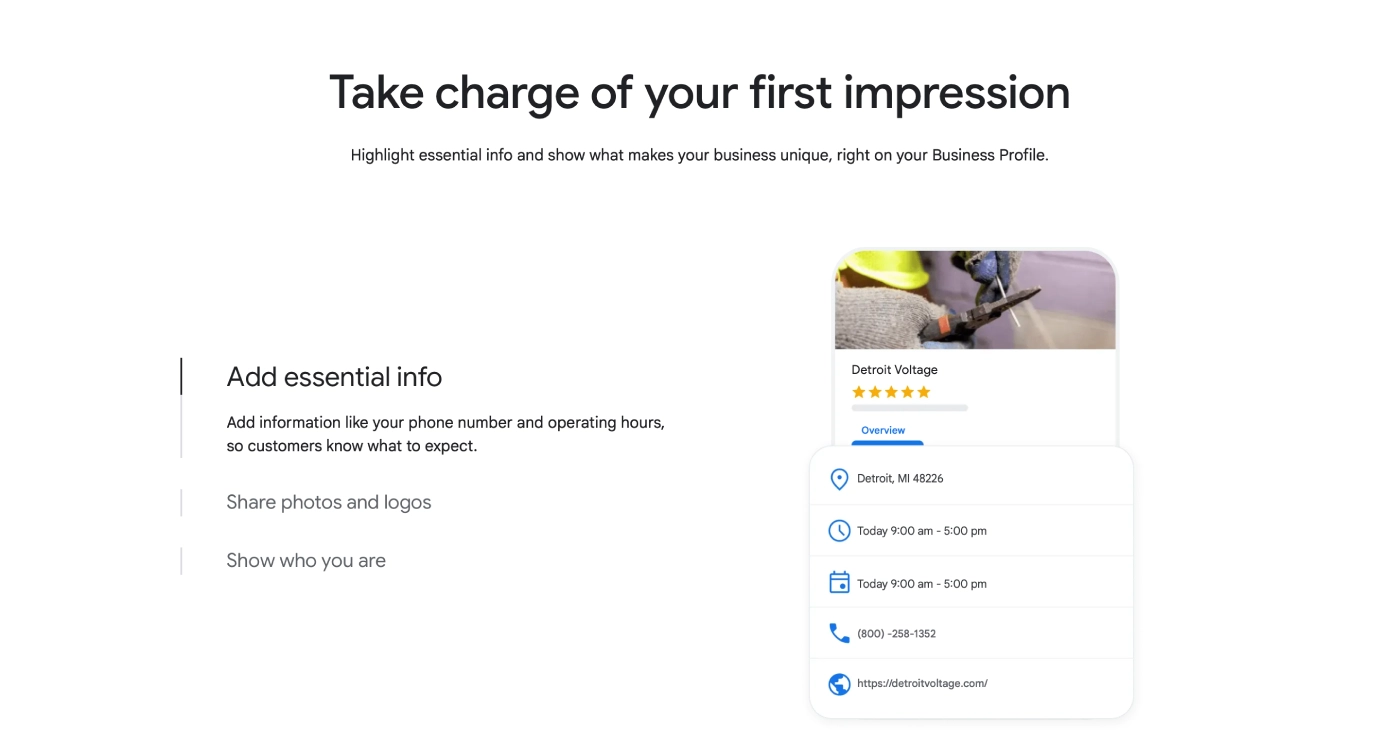
One of the fastest ways to get plumbing leads near you without paying, is to fully optimize your Google Business Profile (GBP).

If someone in your service area types “plumber near me” into Google, and your business doesn’t show up in the top three results (called the “local pack”), you’re invisible. And you’re losing out on the easiest, most high-intent plumbing job leads available every single day.

Roughly 70% of all service-related searches start on Google, and local results dominate those screens, especially on mobile. When a homeowner’s basement is flooding, they’re not comparing options for 30 minutes. They’re clicking the first local result that looks trustworthy.

That’s why your Google Business Profile (GBP) needs to be fully optimized and active. It’s not just a listing, it’s your storefront in the digital world.

What To Do Step-by-Step:

1. Claim and Verify Your Listing

Go to Google Business and make sure your profile is claimed, verified, and correctly associated with your service category (e.g., “Plumber”).

2. Add Complete Business Info

  • Accurate name, address, phone (NAP)
  • Your exact service areas (use neighborhoods and zip codes)
  • Business hours (and note if you offer emergency service)

3. Upload Real Photos

Images of your team, trucks, tools, jobsites, and even your office help build trust and improve conversions. Google favors listings with recent, high-quality photos.

4. Use Google Posts Weekly

These mini-updates let you promote seasonal offers, share blog content, or highlight a 5-star review. Google rewards activity.

5. Get (and Respond to) Reviews

More on this in Strategy #5, but understand this: Google reviews affect ranking. A 4.9-star profile with 80+ reviews will almost always beat a 3.5-star profile with 10.

Mistakes to Avoid

  1. Using a P.O. Box or virtual address (Google will remove your listing)
  2. Forgetting to update hours during holidays or emergencies
  3. Ignoring the “Questions & Answers” section (answer your own FAQs here!)

Tool Suggestions

Whitespark or BrightLocal for citation tracking and GBP Insights (built-in) to track profile views, direction requests, and calls

Before you start blogging, emailing, or networking, this is the one thing you must get right. It’s your online foundation. Everything else stacks on top of this.


2. Build a Website


When a homeowner finds your business on Google, Yelp, Facebook, or a referral link, there’s one place they’re going to end up before deciding: your website.

And if your site doesn’t load fast, answer their questions clearly, and make it easy to reach you, it’s a lost lead. Every single day, plumbing companies lose thousands of dollars in potential work because their websites are too generic, too slow, or too vague.

Here’s how to fix that and turn your website into a lead-generating machine.

Your website is your virtual shop window and it’s open 24/7. Even if you’re not running ads, even if you’re not posting on social, your website is silently doing one of two things:

  • Booking jobs
  • Losing them to competitors


A well-optimized website converts visitors into phone calls and estimate requests, even while you’re out on another job. And Google favors websites that are fast, mobile-friendly, and rich in location-based plumbing content.

What To Do Step-by-Step:

1. Speed Is Important

Google found that 53% of mobile users leave a site that takes longer than 3 seconds to load. Use tools like GTmetrix or PageSpeed Insights to test your speed and optimize images, code, and hosting if needed.

2. Clear, Conversion-Focused Design

  • Top of every page: Phone number (clickable), “Request Service” button
  • Above the fold: What you do, who you serve, and where
  • Use real images of your team and trucks, not stock photos
  • Have a sticky header so contact options follow the user as they scroll

3. Service Pages That Match Searches

Don’t lump everything onto one generic “Services” page. Build individual, keyword-rich pages for:

  • Drain Cleaning
  • Water Heater Repair
  • Emergency Plumbing
  • Leak Detection
  • Sewer Line Repair
  • Commercial Plumbing


Each page should include: Service description; Benefits of choosing you; Location keywords (e.g., “pipe repair in Cleveland”) and CTA: “Book Service,” “Get a Free Estimate,” etc.

4. Make Contact Effortless

You’d be surprised how many plumbers hide their contact form on a separate tab or bury it at the bottom of the page. Add a simple form on every page and Include click-to-call for mobile visitors.

Mistakes to Avoid

  1. Using a template with vague filler content (like “We value your plumbing needs” without saying what you actually do)
  2. Forgetting to update the site for mobile (60–80% of your traffic is on smartphones)
  3. No SSL certificate (https://) – Google may penalize you in rankings

Tool Suggestions


A plumbing site with proper structure and speed typically sees a great increase in conversions over a DIY site or outdated template. That means more plumbing service leads, more booked jobs, and fewer price-shoppers.

Companies that implement conversion-focused design often reduce their cost-per-lead by 30% or more, even without running ads.


3. Turn SEO into a Long-Term Engine for Proven Plumbing Leads

SEO is not only about stuffing keywords into a blog post and hoping you rank. It helps building a long-term pipeline of high-intent visitors, homeowners and property managers who are actively looking for a plumber and are ready to book.

And unlike Google Ads or lead marketplaces, SEO traffic doesn’t stop when your budget does. Done right, it becomes your most cost-efficient and consistent lead source.

People don’t go to page 3 of Google to find a plumber. In fact, 75% of users never scroll past the first page. When someone searches for “slab leak repair in Austin” or “emergency plumber near me,” you want your site showing up, not your competitors’.

This is what plumbing SEO lead generation is all about: showing up in the right place, at the right time, with the right offer.

Good SEO helps you:

  • Show up organically for dozens (or hundreds) of search phrases
  • Reduce dependency on third-party lead generation platforms
  • Attract customers ready to book, not just browse

What To Do Step-by-Step:

1. Build Keyword-Rich Service Area Pages

If you serve multiple cities or zip codes, you need individual pages targeting each one. Example:

  • /plumber-san-diego/
  • /drain-cleaning-in-irvine/
  • /emergency-plumber-oc/


Each page should include:

  • Service-specific keyword in the URL, H1, and meta description
  • Content tailored to that city (mention local landmarks, neighborhoods)
  • Embedded map and directions


These pages are how proven plumbing lead generation companies often dominate local SEO, because they create volume and relevance.

2. Create Deep-Dive Blog Content

Blog for the questions your customers are asking, such as:

  • “How to unclog a sink without chemicals”
  • “Why does my water heater keep leaking?”

3. Optimize the Technical Side

  • Fast loading speed (under 3 seconds)
  • SSL security (https)
  • Proper use of header tags (H1, H2, H3…)
  • Alt text for all images (include relevant keywords)
  • Schema markup for local business (to help Google understand your services)


Use tools like:

  • Google Search Console – monitor indexing, keywords, performance
  • Yoast SEO (if using WordPress) – on-page optimization
  • Screaming Frog – site health and crawl issues

4. Build Local Backlinks

Links from other reputable sites tell Google your site is worth showing. Easy ways to get links:

  • Sponsor a youth sports team (they’ll link to you)
  • Join local business directories
  • Contribute a plumbing tip to your Chamber of Commerce website
  • Get featured on trade partner websites (HVAC, contractors, roofers)


This is a secret sauce of proven plumbing SEO and what sets you apart from companies only doing surface-level content.

Mistakes to Avoid

  • Writing generic content with no location targeting
  • Overusing keywords (“keyword stuffing”), Google will penalize you
  • Ignoring mobile performance, Google uses mobile-first indexing
  • Not updating content stale pages lose rankings over time

Tool Suggestions

  • Ahrefs or SEMrush – keyword research, competitive analysis
  • Google Trends – understand seasonal demand (e.g., frozen pipes in winter)
  • Local Falcon – shows how your GBP ranks by exact geo coordinates

4. Get Listed in Free High-Authority Directories


Most plumbing business owners focus on Google Ads or word-of-mouth, but they overlook one of the easiest ways to generate proven plumbing leads online, getting listed in the directories people already use to find service pros.

These directories dominate the top of Google search results and often attract leads with strong purchase intent. The best part? Many of them offer free listings that generate visibility without requiring a paid subscription.

When a homeowner searches “emergency plumber near me,” there’s a good chance they’ll see Yelp, Angi, Thumbtack, or Nextdoor in the results even before they see individual plumbing companies.

These platforms already rank well in local searches and bring in millions of monthly visitors. By listing your business properly, you can grab leads that are actively looking to hire without having to buy plumbing leads or run pay-per-click ads.

What To Do Step-by-Step

1. Claim and Optimize Profiles on Major Platforms

Start with the big five:

Other good options:


Each platform allows you to add your NAP (name, address, phone) ; Write a detailed service description and upload real photos of past work and your team, as well as, to collect customer reviews.

2. Use Keywords in Descriptions

Tailor each listing with search-friendly copy:

“We provide 24/7 emergency plumbing repair, water heater installation, and drain cleaning in [Your City]. Call now for fast, friendly service.”

Don’t forget to use terms like commercial plumbing leads, plumbing leak repair, or clogged drain service to match high-volume searches.

Mistakes to Avoid

  • Copy/pasting the same description across all platforms (Google may flag this as duplicate content)
  • Inconsistent contact details (NAP), hurts SEO
  • Ignoring reviews or failing to respond to negative feedback


Why This Strategy Matters? You don’t need to pay for placement to be present where customers are already searching. Directory listings work because they borrow credibility from platforms that already dominate Google and they’re one of the few true set-it-and-forget-it lead generators.

5. Reviews and Referrals

Let’s be clear: 5-star reviews are conversion engines.

When homeowners scan search results and see a plumber with 147 glowing reviews and another with 6 and a few complaints, they already know who they’re calling.

Referrals and online reviews are two of the most powerful ways to get plumbing customers and they cost you nothing but good service and a little follow-up.

What To Do Step-by-Step

1. Make Review Requests Part of Your Process

Don’t wait for the customer to offer. Ask.

After every completed job:

  • Send a text with a direct Google review link
  • Include the tech’s name and a thank-you message
  • Ask for specific feedback (“We’d love to hear what you thought of the service!”)

2. Respond to Every Review – Good or Bad

Customers want to know you care. Thank every reviewer personally, and if someone leaves a 3-star or lower, respond professionally, offer to make it right, and move on. It shows accountability and boosts trust.

3. Set Up a Referral Program

Simple is best:

“Refer a friend, and when they book, you both get $25 off your next service.”

Track referrals via:

  • CRM tags
  • Coupon codes
  • A simple Google Form


Offer small incentives: discounts, gift cards, VIP perks. Over time, this builds a referral flywheel of repeat business and word-of-mouth plumber leads.

Mistakes to Avoid

  • Only asking for reviews after “perfect” jobs, every good experience counts
  • Letting negative reviews pile up without a response
  • Offering cash in exchange for reviews (this violates most platforms’ policies)

Tool Suggestions

  • Grade.us or Podium for review generation
  • Jobber or Housecall Pro for tracking referrals and sending follow-ups
  • Canva – create easy-to-share referral graphics or flyers

Conclusion

Getting proven lumbing leads without paying for them is what smart, growth-minded plumbing businesses are doing every day. You don’t need to outspend your competitors. You just need to out-strategize them.

From dominating local search with your Google Business Profile to building a lead-generating website, optimizing SEO, leveraging directory listings, and creating a referral and review engine, you now know the ways to attract free, exclusive, proven plumbing leads consistently.