
Tag Archives: plumbing leads

How to Manage Plumbing Leads: A Comprehensive Guide to Conversion

Generating plumbing leads is the lifeblood of any successful service company. Whether those leads come from a glowing Google review, a targeted PPC campaign, or a trusted source where you buy plumbing leads, the common denominator for failure or success is management.

A high volume of raw inquiries is meaningless if your system leaks qualified opportunities. In fact, for many plumbing companies, the biggest constraint to growth isn’t generating more leads for plumbing, but optimizing the processes that convert the leads they already have.

This guide will take you through the five pillars of effective lead management, ensuring every incoming inquiry is prioritized, acted upon instantly and converted into booked revenue.

1. Instant Lead Triage and Response

In the emergency-driven world of plumbing, time is quite literally money. If a homeowner has a burst pipe or a non-functioning water heater, they are calling the first three numbers on Google. The contractor who answers fastest and schedules a technician wins.

The 5-Minute Rule: Why Speed is Important

Studies consistently show that conversion rates drop by over 80% if a lead is not contacted within the first five minutes. For high-urgency plumbing leads, that window is even smaller.

  • The Race to Answer: The first company to confirm a service slot usually gets the job. Your goal is to move the lead from “Inquiry” status to “Booked Job” status as fast as possible.
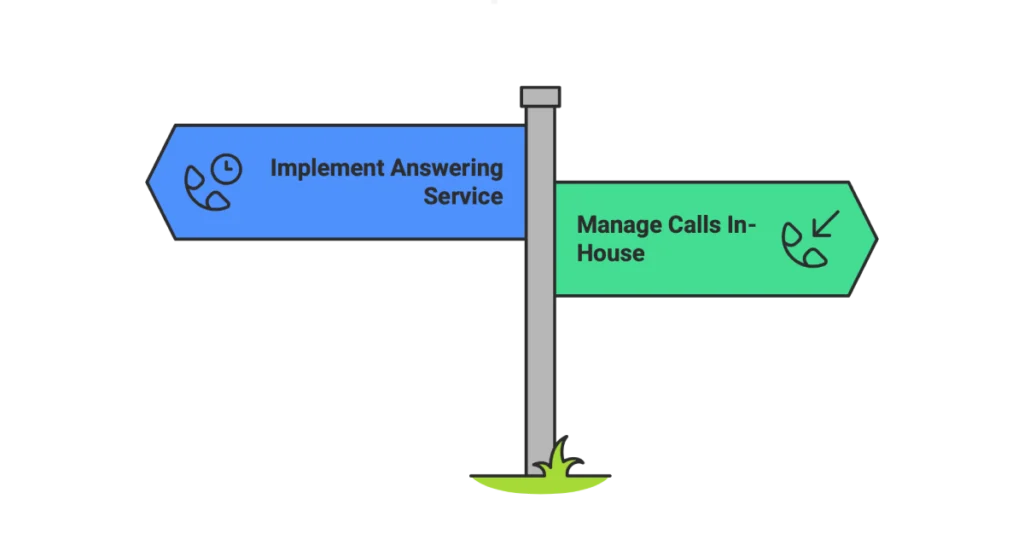
  • Avoid Voicemail: Never let high-value leads for plumbing hit a generic voicemail box. Instead, implement a Call Tracking and IVR (Interactive Voice Response) system. These automated softwares capture contact details and immediately send an SMS notification to the on-call dispatcher or technician, ensuring 24/7 coverage and instant follow-up, even when staff are busy.

Implementing Multi-Channel Immediate Response

Your response must adapt to the channel the lead came from:

  1. Phone Calls: Route calls to a dedicated answering team 24/7. Even if the call is after hours, the team should be equipped to quote standard emergency fees and confirm an arrival window for the next morning.
  2. Web Forms/Chatbots: The moment a web form is submitted, the lead should trigger two actions:
    • An automated, personalized text message confirming receipt and providing a number to call if the emergency is critical.
    • An immediate notification and call script to the office staff to attempt a call-back within 90 seconds.
  3. Text Messages (SMS): Ensure your business number is enabled to receive and respond to texts. Many customers prefer texting over talking, especially for less urgent inquiries. Automate simple responses to buy your team time.

2. Lead Scoring and Prioritization
Effective lead management is about allocating your most valuable resources (skilled technicians and estimators) to the highest-value opportunities. This requires a robust lead scoring system.

Criteria for Plumbing Lead Scoring

Score every incoming plumbing lead based on two main factors: Urgency and Value.

Scoring FactorLow Score (Low Priority)High Score (High Priority)
UrgencyRoutine maintenance, aesthetic fixture replacement.Burst pipe, no hot water, major blockage.
Service ValueMinor drain cleaning, faucet repair (under $300).Water heater replacement, re-piping, slab leak detection (over $1,500).
Customer TypeOne-time residential client.Property manager, commercial client, existing service contract holder.
Lead Source QualityShared lead list (high competition).Exclusive, high-intent call or long-term referral partner.


The Prioritization Queue

Once scored, your leads for plumbing should be filtered into distinct queues:

  • Priority 1 (Red Alert): High Urgency + High Value (e.g., Burst pipe at a commercial restaurant). Action:Immediate dispatch, dropped everything else.
  • Priority 2 (Hot): High Urgency + Medium Value (e.g., Residential hot water heater failure). 
    Action: Schedule within 2-4 hours, immediate follow-up.
  • Priority 3 (Warm): Low Urgency + High Value (e.g., Quote requested for a full bathroom remodel). Action:Schedule estimator visit within 24-48 hours.
  • Priority 4 (Nurture): Low Urgency + Low Value (e.g., Routine drain cleaning quote request). 
    Action: Automated scheduling options, non-urgent follow-up, and placed into a long-term nurturing campaign.

3. The Power of Exclusive Leads and Direct Acquisition

When managing your lead pipeline, the source profoundly affects your management workload and conversion metrics. Shared leads create massive administrative strain; exclusive leads streamline operations.

Why Quality Trumps Quantity

Shared plumbing leads (often sold to 3-5 contractors) require the fastest response, immediate quoting, and often result in a price war. This means more time wasted by your office staff and estimators on jobs you may not win, raising your Cost Per Acquisition (CPA).

Exclusive leads, on the other hand, mean the customer has only heard from you, allowing you to focus on selling the value of your service, reliability, and expertise, rather than just the lowest price.

Integrating High-Quality Lead Generators

The decision to buy plumbing leads should be viewed as an optimization strategy, not a volume play. At Inquirly.com, we believe in delivering high-intent, exclusive calls to pre-qualify the lead and significantly reduce your administrative burden.

Inquirly is the specialized platform focused on delivering these high-quality, exclusive opportunities. We ensure the consumer is already ready to hire, so you spend less time vetting and more time serving.

  • Management Advantage: Less time spent qualifying, more time spent quoting and scheduling. Our exclusive leads require a robust but simple management system focused on tracking the time-to-close and the job value.

Learn more about Exclusive Plumbing Leads Here.

4. Centralized Management: CRM

The only way to execute rapid response, accurate scoring, and effective follow-up is by using a centralized Customer Relationship Management (CRM) or Field Service Management (FSM) platform. This is the nervous system of your lead management strategy.

Recommended CRM/FSM Tools

Selecting the right platform is critical. Here are a few top-tier CRM and Field Service Management (FSM) platforms commonly used by successful plumbing businesses:

  • Service Fusion: Offers a strong balance of features including complex scheduling, inventory tracking, and custom reporting.
  • Jobber: Highly recommended for residential service due to its excellent Customer Hub and communication features.
  • Housecall Pro: Ideal for small to mid-sized teams needing easy-to-use mobile dispatch, online booking, and quick invoicing.
  • FieldEdge: A robust solution often favored by larger plumbing operations for complex scheduling, service agreement management, and integration with accounting software.


Essential CRM Features for Plumbing Leads

Lead Source Tracking

Automatically records where each lead came from (Google Ads, website, referral, Inquirly) so you can attribute revenue and calculate ROI.

Time-to-Respond (TTR) Timer

Starts the moment a lead hits your system and alerts a manager if TTR exceeds five minutes—driving faster replies and higher close rates.

Automated Follow-Up Sequences

Sends scheduled texts/emails for unaccepted quotes (e.g., 24–48 hours) and appointment confirmations, saving staff time and reducing no-shows.

Digital Job Histories

Stores every note, quote, photo, and invoice under the client profile—vital for repeat work, warranty tracking, and technician handoffs.

Mobile Dispatching

Lets dispatch assign jobs directly to a technician’s phone, moving work from “Quote” to “In Progress” without paperwork or back-and-forth.


The Lead Management Workflow

An ideal workflow within your CRM follows a standard cycle:

  1. Capture: Lead enters via phone, web, or direct integration (e.g., a service where you buy plumbing leads).
  2. Triage: Automated scoring and TTR timer start. Dispatcher attempts contact.
  3. Convert: Quote provided; job is booked. Lead status moves to “Job Scheduled.”
  4. Service: Job completed. Technician records notes/photos in the system.
  5. Follow-Up: Automated text requests review/feedback. Client enters the long-term nurturing sequence.

5. Nurturing Unconverted and Past Leads

Not every lead converts immediately, and not every customer is a one-time transaction. Effective lead management includes robust strategies for long-term nurturing and turning old leads into new business.

Re-Engagement Campaigns for Unconverted Leads

A homeowner who requested a quote for a water heater replacement but didn’t book might have simply been sticker-shocked or busy. Don’t discard them.

  • The 30/60/90 Day Check-in: Set automated reminders to follow up at 30, 60, and 90 days. The messaging should shift from “Did you accept the quote?” to “We noticed your quote expired; prices are changing. Can we discuss alternatives?”
  • Value-Driven Content: Send email campaigns focused on the specific service they requested (e.g., “5 Signs Your Old Water Heater is a Safety Risk”). This keeps your company top-of-mind without being overly aggressive.

Maximizing Customer Lifetime Value (CLV)

Your best leads for plumbing are your past customers. They already trust you and are cheaper to convert than any new lead source.

  • Maintenance Contracts: Every closed job should be an opportunity to sell a preventative maintenance plan (e.g., annual water heater flush, drain line camera inspection). This provides predictable revenue and guaranteed plumbing leads for the following year.
  • Targeted Re-Marketing: If a customer had a repair (like a minor leak), target them with ads for related preventative services (like whole-home leak detection systems) 6-12 months later.

6. Continuous Analysis and Optimization

The final pillar of lead management is using your data to make smarter spending decisions. If you don’t track the journey of every single plumbing lead, you are managing in the dark.

Calculating True Return on Investment (ROI)

Effective management requires knowing the performance of every dollar spent.

ROI = (Revenue Generated from Source − Cost of Source) Cost of Source × 100


  • Example: If you spend $5,000 on Google Ads and it generates $25,000 in revenue, the ROI is 400%. If you spend $5,000 on a shared lead list and only generate $6,000 in revenue, the ROI is 20%. The high-quality, high-CPL leads often yield the highest ROI due to superior conversion rates.

Optimization Checklist

Reviewing these metrics monthly allows you to optimize your strategy:

  1. Conversion Rate by Source: Which source provides the best conversion rate from lead-to-booked job? (Hint: It’s usually referrals or high-intent exclusive sources where you buy plumbing leads). Invest more here.
  2. Cost Per Acquisition (CPA) by Source: Which source gives you the cheapest customer? Cut spending on sources with an unsustainable CPA.
  3. Time-to-Close (TTC): Monitor the average time it takes from initial inquiry to job completion. If this metric is too high, it indicates bottlenecks in scheduling, dispatch, or quoting that need to be addressed by your management team.

Conclusion

The most successful plumbing companies in 2025 will be defined not by how many plumbing leads they generate, but by their surgical efficiency in managing them.

By adhering to the 5-Minute Rule, implementing robust scoring, leveraging technology (CRM/FSM), and focusing your energy on high-quality exclusive leads from proven partners, you transform your business from a reactive service provider to a proactive, revenue-driven machine. Effective lead management is the gateway to scalable growth, predictable revenue, and lasting profitability.
Best Ways to Get Plumbing Leads During Winter Season

The winter season, with its plummeting temperatures, is a high-stakes, high-reward period for professional plumbers. While slower months might require heavy reliance on maintenance work and remodeling, the cold weather brings a predictable spike in high-urgency, high-value emergency calls. Burst pipes, failed water heaters, and frozen lines turn the homeowner’s search for a plumber into a desperate race against the clock.

The goal is to aggressively position your business as the immediate, trusted solution for these critical winter crises. Mastering lead generation for plumbers during this time requires a strategic blend of digital urgency, preemptive maintenance marketing and smart partnership building.

Here are the best ways to get high-quality leads for plumbing during the winter season.

1. Capitalize on Emergency Demand with Digital Advertising

In winter, a large percentage of lucrative plumbing work comes from time-sensitive emergencies. When a pipe bursts, the homeowner is not browsing for a quote; they are searching for the nearest, most credible emergency plumber. This urgency means that immediate digital visibility is paramount.

Google Local Service Ads (LSAs)

For emergency plumbing lead generation, LSAs are essential. These ads appear at the very top of Google search results, above traditional Pay-Per-Click (PPC) ads and organic results.

  • The Trust Factor: LSAs feature the “Google Guaranteed” badge, which instantly builds trust with homeowners panicking over a flood. This badge signifies that Google has vetted your business, providing a powerful psychological advantage over non-guaranteed competitors.
  • Pay-Per-Lead Model: Crucially, you pay per qualified lead, not per click. This structure is often more cost-effective for high-intent emergency searches, as you avoid paying for casual browsing clicks.
  • Focus Keywords: Focus your LSA targeting on high-urgency winter keywords like “burst pipe repair,” “emergency plumbing,” and “no hot water.”

Targeted Pay-Per-Click (PPC) Campaigns

While LSAs target a broad emergency base, standard Google Ads allow for more granular control over messaging and keywords.

  • Seasonal Ad Copy: Create ad copy that specifically addresses winter problems: “Frozen Pipe? 24/7 Emergency Service,” or “Water Heater Failure? We Arrive in 60 Minutes.”
  • Call-Only Ads: On mobile devices, use call-only ads for your highest-urgency services. This allows a distressed homeowner to call your office with a single tap, removing any friction or delay. Given that many emergency searches happen on mobile, this is a vital conversion step.
  • Negative Keywords: Use negative keywords (like “DIY,” “free guide,” “plumbing jobs”) to filter out non-emergency searches and ensure your ad budget is only spent on genuine, paying leads.

2. Proactive Lead Generation

While emergency calls are highly lucrative, your business cannot rely solely on disaster. A significant opportunity in winter is preemptive maintenance, which provides a steady flow of scheduled, non-emergency work. This strategy relies heavily on content, email marketing, and seasonal promotions.

Winterization and Audit Offers

The key is to market services that prevent the emergencies your customers fear most.

  • The “Frozen Pipe Prevention” Package: Offer a special, limited-time service that includes insulating exposed outdoor pipes, draining and winterizing hose bibs, and checking crawl spaces. This is a clear, valuable service with a set price.
  • Water Heater Tune-Ups: Water heaters work harder in the winter. Market a “Winter Efficiency Check” that involves flushing the tank to remove sediment, checking the pressure relief valve, and insulating the tank and pipes. This saves the customer money on energy and prevents a costly failure.
  • Targeted Email Campaigns: Use your customer database for email marketing. Send out a series of seasonal tips in late autumn/early winter, titled, “Don’t Let This Happen to You: 3 Tips to Prevent a Burst Pipe” or “Is Your Water Heater Ready for the Deep Freeze?” Link these emails directly to a booking page for your winter maintenance package.

Local SEO and Content Marketing

Your website and online presence must reflect winter-specific problems to capture long-tail organic search traffic.

  • Create Winter Content Hubs: Publish dedicated, well-optimized blog posts or landing pages for common winter queries:
    • “Signs of a Frozen Pipe and What to Do in [Your City]”
    • “How to Thaw a Frozen Drain Line Safely”
    • “Water Heater vs. Tankless: Which is Better for Winter?”

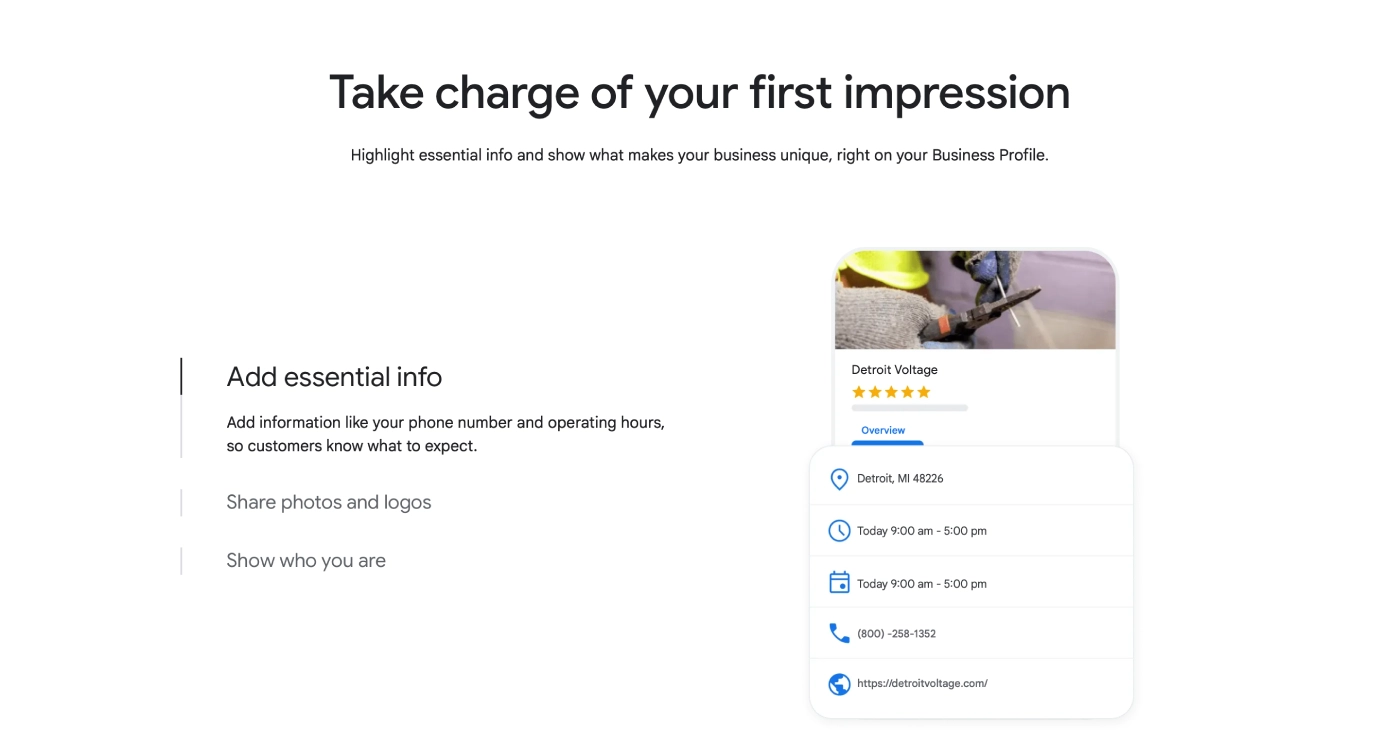
  • Optimize Your Google Business Profile (GBP): Regularly post “updates” or “offers” on your GBP related to winter services. Post photos of your team working on frozen pipes or water heater replacements. This keeps your profile active, helps your local search ranking, and demonstrates your expertise in seasonal issues.

3. Strategic Partnerships and Referral Ecosystems

In the plumbing industry, trust is built on recommendations. Creating and maintaining a strong network of referral partners is a non-digital way to ensure a steady stream of high-quality, pre-qualified exclusive plumbing leads.

Plumbers & Other Trades

  • Property Managers & Homeowner Associations (HOAs): Properties managed by third parties are a prime source of winter leads. Property managers need a single, reliable plumber they can call for all emergencies across multiple units. Offer them a small, professional discount or a commission for referring all their emergency work.
  • General Contractors & Remodelers: Winter is often a slower time for new construction but busy for remodeling. General contractors need plumbers they can trust to handle new kitchen, bathroom, or basement rough-ins. Consistent, professional communication and on-time service will make you their go-to partner.
  • HVAC Technicians: HVAC and plumbing problems often overlap (e.g., boiler issues, leaking condensate lines). Establish a reciprocal referral relationship with a non-competing local HVAC company. When they encounter a water issue, they call you, and vice-versa.

The Insurance Connection

A burst pipe immediately turns into an insurance claim. Cultivating relationships with local insurance agents can be one of the highest-value sources of how to get more plumbing leads.

  • Become a Preferred Vendor: Identify agents who frequently write policies in your service area. Introduce your business, emphasizing your rapid response time, expertise in water mitigation, and professional documentation for claims. Being on a local agent’s list of “trusted professionals” means you get the call before the homeowner even searches Google.

4. Business Software for Plumbers

Housecall Pro

Small Teams / Transitioning
Key Features
  • Online booking (Google integration)
  • Drag-and-drop scheduling & dispatch
  • Automated estimate follow-ups

Jobber

Residential Focus
Key Features
  • Client Hub for customer self-service
  • Automated text/email follow-ups for quotes
  • Lead source & conversion tracking

Simpro

Large / Commercial Projects
Key Features
  • End-to-end job management with advanced workflows
  • Reporting on marketing ROI & job profitability
  • Asset & maintenance management

Kickserv

Paperless & Simple CRM
Key Features
  • Centralized client history in a full CRM
  • QuickBooks integration
  • Mobile-friendly for field access

Tradify

Admin / Quoting Speed
Key Features
  • Create quotes and estimates 2× faster
  • Automatic reminders for unaccepted quotes
  • Enquiries engine to capture leads from multiple sources

5. Exclusive Plumbing Leads

For businesses focused on rapid scalability or those who prefer to focus purely on service delivery, a dedicated lead generation service can be an effective way to buy plumbing leads.

Exclusive vs. Shared Leads: The most valuable leads are exclusive plumbing leads, meaning you are the only contractor purchasing that specific job inquiry. While more expensive than shared leads (where you compete with 3-4 other plumbers), the conversion rate is significantly higher, resulting in a much better ROI. Platforms like Inquirly.com specialize in providing these types of high-intent, exclusive leads.

Pay-Per-Call Platforms: Look for platforms that deliver live, inbound phone calls from homeowners who have already searched for a service. These leads have the highest intent.

Filter for Quality: When engaging a lead provider, ensure you can filter leads based on service (e.g., only burst pipe and water heater leads, not minor drain clogs) and location, especially during winter when you want to focus on high-ticket emergencies.

Ready for Exclusive, High-Quality Leads?

See how Inquirly.com can connect you directly with customers needing your specific high-value plumbing services – without the competition.

Conclusion

Winter is a pivotal revenue period for plumbing companies, best approached with a balanced strategy that pairs proactive scheduling with rapid emergency response. Prioritize visibility for urgent searches by running Google Local Services Ads and tightly targeted PPC on high-intent terms (e.g., frozen or burst pipes, no hot water) to capture immediate demand.

In parallel, drive preventive work through seasonal email or SMS campaigns and maintenance packages, such as water-heater tune-ups, winterization and sump-pump checks, to secure a predictable, pre-booked pipeline. Strengthen lead quality and close rates by cultivating referral relationships with property managers, restoration firms, and insurance agents. Finally, streamline operations with purpose-built business software so every inquiry is captured, acknowledged within minutes, scheduled efficiently, and tracked to payment – turning winter surges into consistent, profitable growth.

Why Most Paid Plumbing Leads Go Nowhere (and How to Fix It)

You’ve paid for leads. You’ve waited for the phone to ring. You’ve responded within minutes and still… no job. Sound familiar?

In 2025, plumbers may now generate leads more easily than ever before. Ironically, though, it’s also gotten more frustrating. Many plumbers are investing hundreds (or even thousands) every month into paid lead platforms, only to see minimal return. Why? Because most of those leads are either low-quality, poorly timed, or simply not real prospects.

This article breaks down exactly why most paid plumbing leads go nowhere, and more importantly, how to fix it using smarter strategies that focus on quality, intent and conversion.

The Harsh Truth About Paid Plumbing Leads

Most plumbers who say, “Paid leads don’t work” are really saying, “Bad leads don’t work.” And they’re right. Not all lead platforms have your best interest at heart. Many of them work on volume. They collect as many homeowner inquiries as possible, qualified or not, and sell them to multiple contractors in your area. Their goal? Maximize their profit, not yours.

The result? You end up chasing vague leads like:

  • “Looking for quotes”
  • “Maybe next week”
  • “Just checking prices”


But what makes a lead “bad”? It could be:

Outside Your Service Area

The lead is located too far away, wasting your time and fuel, with little chance of booking profitably.

Just Price Shopping

The customer is contacting multiple plumbers with no urgency – often looking only for the cheapest quote.

Shared with Competitors

This lead has also been sent to 3-5 other plumbers, turning your follow-up into a stressful bidding war.

Spam or Fake Submission

Not a real job, just bot traffic, fake contact info, or a lead that never responds or answers the phone.

The Problem with Shared Leads

Shared leads are still the industry standard across many lead generation platforms. These companies collect a single homeowner inquiry, someone needing plumbing help and sell that same lead to four, five, or even six plumbers at once. The customer, often unaware of this, suddenly gets a wave of phone calls within minutes. It’s overwhelming.

Instead of competing based on quality or trust, you’re forced into a race: who can respond fastest, who will drop their price, and who’s most aggressive on the phone. In many cases, the customer gives up altogether, frustrated before anyone even gets a chance to book the job.

This approach creates several familiar problems for plumbing professionals. Response rates drop. Stress rises. Time gets wasted chasing jobs you were never going to win. And return on investment suffers.

Where Most Paid Leads Break Down

Even when you receive a genuine lead from a paid platform, there’s still a high chance things won’t convert. That’s because the problem often isn’t the lead itself, it’s what happens after it lands in your inbox or rings your phone.

One of the most common issues is slow follow-up. In the world of home services, especially plumbing, timing is everything. If you’re calling the lead five or ten minutes after it comes in, chances are the customer has already booked someone else. In most cases, the first plumber to respond is the one who gets the job.

Then there’s the matter of communication. Many contractors don’t realize how much tone, clarity, and confidence matter. If your script sounds unsure, rushed, or generic, the lead will lose interest quickly. Today’s customers expect quick and clear answers.

Another silent killer is lack of tracking. If you’re not monitoring where each lead is coming from, how many you’ve followed up with, or which platforms actually convert, you’re flying blind. Without that data, it’s impossible to refine your strategy or cut waste.

Finally, not having a proper follow-up system, such as CRM, automated reminders or even a structured call-back plan, leads to missed opportunities. The best plumbing companies treat every lead like it’s a booked job waiting to happen. They stay organized, act fast, and never let a good opportunity slip through the cracks.

In the end, getting a lead is just the beginning. What determines your return is what happens next.

The Role of Exclusive Leads for Plumbers

One of the most impactful changes for plumbing businesses in recent years, especially smaller or growing operations, has been the shift toward using exclusive leads. Unlike shared leads, which are distributed to several contractors at once, exclusive plumbing leads are delivered to one plumber only. This alone changes the entire dynamic of the sales process.

While exclusive leads do come at a higher price, typically ranging from $30 to $120 per lead, they often justify the cost through higher conversion rates, especially when the service area, response time and communication are aligned with customer expectations.

Platforms like Inquirly.com are helping plumbers get out of the volume game and into a results-driven model. The focus itself isn’t on sending as many leads as possible, it’s on sending better leads, filtered for intent, location, and job type. That shift from quantity to quality is giving tradespeople more control, less stress and better return on their marketing investment.


Want to Learn More About Exclusive Plumbing Leads?

Discover how top plumbing businesses are growing faster with verified, high-intent leads that aren’t shared with your competitors.

👉 Learn how it works and get started today »

What to Avoid When Buying Plumbing Leads

Ignoring your cost-per-job metrics

Focusing only on how much you pay per lead is misleading. What really matters is how much it costs you to book a job. For example, paying $30 for a lead that never converts is far worse than paying $80 for one that books a $600 repair. If you’re not tracking your cost per acquisition (CPA), it’s impossible to know which platforms are actually profitable.

Relying only on volume instead of quality

More leads don’t mean more revenue if they’re not the right leads. A flood of low-intent or shared leads can eat up your time and leave you burnt out. Instead, focus on acquiring leads that are exclusive, well-targeted, and more likely to convert, even if they cost more per lead. One solid lead is better than ten bad ones.

Failing to track which channels work best

Not all lead sources are created equal. Some platforms may bring you quick wins, while others only produce tire-kickers. Without tracking where each lead comes from and how many convert into paying jobs, you can’t improve or scale your marketing. Use a basic CRM or even a spreadsheet to log results and adjust your strategy based on real data.

FAQs

What’s the fastest way to get plumbing leads in 2025?

The fastest way to generate plumbing leads today is through Google Local Services Ads (LSAs). These appear at the very top of Google search results when someone types in queries like “emergency plumber near me”. They come with a Google Guarantee badge, which builds instant trust, and the platform charges you only when a valid lead contacts you directly, typically by phone. These leads are high-intent and often ready to book immediately.

That said, LSAs aren’t the only effective fast-track solution. Several lead generation companies that specialize in exclusive plumbing leads, give you direct access to real, verified homeowners without the stress of shared competition.

Are exclusive plumbing leads worth the higher cost?
Yes – in most cases, exclusive leads are well worth the investment. While they typically cost more than shared leads, they aren’t distributed to multiple contractors. That means no racing to respond, no bidding wars, and a significantly higher likelihood of converting the lead into a paying customer. 

How can I improve my lead response rate and close more jobs?
Speed and professionalism are key. Aim to respond to every lead within 60 seconds, especially if it’s a phone call or form submission. Use a call tracking system to monitor inbound calls, and a CRM (Customer Relationship Management) tool to log, follow up and organize leads. 

Where Do the Best Plumbing Leads Come From in 2025?

Let’s take a closer look at what modern plumbing lead generation really means in 2025.
At its core, a lead is a potential customer – someone who has expressed interest in your plumbing services. But not all leads are created equal. Some are genuinely in need of immediate assistance and ready to book on the spot. Others are casually browsing, comparing prices or simply exploring their options without any urgency.

The quality of leads, not just the quantity, is frequently what separates a successful plumbing business from one that is barely making ends meet.

Why Lead Quality Matters More Than Quantity?

Many plumbing companies fall into the trap of chasing more leads, assuming that quantity equals profit. But any plumber who’s relied on low-quality leads knows that ineffective plumbing lead generation can drain time, energy and money.

High-quality plumbing leads are different. They tend to be:

Locally Relevant

Leads are located within your actual service area, ensuring you don’t waste time on jobs outside your range.

Clearly Defined Needs

Customers explain their plumbing issue upfront, often with details or urgency, making it easier to quote and schedule.

Ready to Act

These prospects are not just shopping – they need a plumber soon and are prepared to book within hours or days.

Trust-Driven

They’re looking for licensed, reliable professionals – not the cheapest bid. Reputation and reviews matter to them.

The Shift Toward Exclusive Plumbing Leads

One of the biggest changes in 2025 is the growing move toward exclusive lead generation. For years, plumbers have used online services, only to find out that the same lead was sold to multiple businesses at once.

With shared leads, your chances of closing a job drop dramatically. You’re essentially in a race to call the customer first, offer the lowest price, or convince them in a matter of seconds why you’re better than the rest.

Exclusive leads work differently. These are matched directly to your business only. There is no competition, no price battle, and no rush to beat others to the call. Yes, they tend to cost more per lead, but the return on investment is higher because your conversion rates improve substantially. More importantly, you preserve your reputation by not sounding like just another random caller.

Inquirly.com is one of the notable platforms in 2025 specializing in exclusive plumbing leads. It connects you only with jobs that match your services and location, and it verifies that the customer is genuinely looking to hire a plumber. For many contractors, this kind of system has become a core part of their marketing strategy.

Google Local Services Ads: A Must-Have for Visibility

Another powerful source of quality plumbing leads comes directly from Google through its Local Services Ads (LSAs). These ads appear at the top of search results when someone types in queries like “emergency plumber near me.” Because they include the Google Guaranteed badge, they immediately convey trust.

Unlike traditional pay-per-click advertising, LSAs charge per lead rather than per click. That means you only pay when someone actually contacts your business through the ad. These leads are typically high intent, especially when related to urgent services like pipe leaks, broken water heaters, or clogged drains.

The key to success with LSAs is fast response times and maintaining a strong Google Business Profile. Google favors businesses that consistently answer calls, have good reviews, and maintain accurate information. When used correctly, LSAs can become a steady pipeline of leads without the unpredictability of other marketing channels.

Local SEO: The Foundation of Organic Plumbing Leads

While paid platforms deliver faster results, organic plumbing lead generation still holds incredible value in 2025. When someone searches for a plumber in your city or neighborhood, you want your business to appear not just in ads, but also in the organic results and Google Maps listings.

That starts with optimizing your Google Business Profile. Ensure your hours, services, photos, and customer reviews are up to date. Regularly posting updates, answering Q&As and asking happy customers to leave reviews helps build your visibility organically.

Plumbers who invest in SEO-rich websites with service-specific landing pages for example, “sewer line repair in Austin” or “24-hour drain cleaning in Chicago” tend to build stronger brand recognition and authority over time. These leads often convert well because they stem from trust and research, not impulse.

Lead Platforms in 2025: What Works (And What Doesn’t)

Platform Summary
Inquirly.com Exclusive, high-quality plumbing leads tailored to your service area. Real-time delivery, verified customers, no competition.
Thumbtack Still widely used. Good for fast response plumbers, but increasing competition and mixed lead quality are concerns.
Angi (HomeAdvisor) High lead volume but often shared with multiple contractors. Lower close rates and strict refund policies reported.
Facebook & Instagram Ads Great for local brand awareness and promos. Requires good targeting and creative design. Best for marketers with ad experience.
Yelp Ads Useful in review-heavy cities. ROI depends on reputation (4.5+ stars recommended) and consistent customer engagement.

How to Spot the Best Plumbing Leads

Beyond the platform itself, it’s essential to recognize what separates a good lead from a poor one. The best plumbing leads tend to come from customers who are specific in their inquiry. They’ll mention symptoms, timeframes, and sometimes even their availability. They don’t ask ten plumbers for a quote, they ask one or two and commit based on trust and professionalism.

On the other hand, vague inquiries like “need plumbing help soon” or “just looking for prices” are often signs of low urgency or high competition. These are the leads that cost time and rarely convert. The best sources, whether through SEO, LSAs or services like Inquirly, filter those out for you.

Conclusion:

In 2025, the best plumbing leads come from systems built on urgency, trust, and intent. That’s why the most effective plumbing lead generation strategies combine exclusive partnerships with platforms like Inquirly, strong SEO foundations, and the right use of Google Local Services Ads.

Social media advertisements and shared lead platforms still have a role, but they are no longer the mainstay of an effective lead generation strategy. The most profitable plumbing companies are those who put quality before quantity, monitor performance over time, and collaborate with platforms that protect their time and reputation.

How to Get Free Plumbing Leads 

The plumbing industry is evolving and fast. Customers no longer flip through the Yellow Pages or wait for postcards in the mail. When a pipe bursts, a toilet overflows, or a renovation requires new lines, they grab their phones and type one thing into Google: “plumber near me.” If your business doesn’t show up, you’re not just missing visibility, you’re missing out on proven plumbing opportunities that your competitors are already capitalizing on.

Companies that understand online visibility, local trust signals, and lead capture are already winning the plumbing jobs you want.

And here’s the good news: you don’t have to buy overpriced leads, flood your inbox with junk jobs, or compete in a race to the bottom on marketplaces.

There are smarter ways to get plumbing leads and many of them cost nothing but time, consistency, and a bit of know-how.

Let’s break down 5 proven plumbing lead generation strategies that will help you get more plumbing customers in 2025 and beyond, without paying for every click.

Table of Contents

  1. Own the Map: Google Business Profile & Local Pack Visibility
  2. Build a Website That Captures Leads 24/7
  3. Turn SEO into a Long-Term Engine for Proven Plumbing Leads
  4. Get Listed in Free High-Authority Directories
  5. Leverage Reviews and Referrals to Multiply Your Reach

1. Optimize Your Google Business Profile

One of the fastest ways to get plumbing leads near you without paying, is to fully optimize your Google Business Profile (GBP).

If someone in your service area types “plumber near me” into Google, and your business doesn’t show up in the top three results (called the “local pack”), you’re invisible. And you’re losing out on the easiest, most high-intent plumbing job leads available every single day.

Roughly 70% of all service-related searches start on Google, and local results dominate those screens, especially on mobile. When a homeowner’s basement is flooding, they’re not comparing options for 30 minutes. They’re clicking the first local result that looks trustworthy.

That’s why your Google Business Profile (GBP) needs to be fully optimized and active. It’s not just a listing, it’s your storefront in the digital world.

What To Do Step-by-Step:

1. Claim and Verify Your Listing

Go to Google Business and make sure your profile is claimed, verified, and correctly associated with your service category (e.g., “Plumber”).

2. Add Complete Business Info

  • Accurate name, address, phone (NAP)
  • Your exact service areas (use neighborhoods and zip codes)
  • Business hours (and note if you offer emergency service)

3. Upload Real Photos

Images of your team, trucks, tools, jobsites, and even your office help build trust and improve conversions. Google favors listings with recent, high-quality photos.

4. Use Google Posts Weekly

These mini-updates let you promote seasonal offers, share blog content, or highlight a 5-star review. Google rewards activity.

5. Get (and Respond to) Reviews

More on this in Strategy #5, but understand this: Google reviews affect ranking. A 4.9-star profile with 80+ reviews will almost always beat a 3.5-star profile with 10.

Mistakes to Avoid

  1. Using a P.O. Box or virtual address (Google will remove your listing)
  2. Forgetting to update hours during holidays or emergencies
  3. Ignoring the “Questions & Answers” section (answer your own FAQs here!)

Tool Suggestions

Whitespark or BrightLocal for citation tracking and GBP Insights (built-in) to track profile views, direction requests, and calls

Before you start blogging, emailing, or networking, this is the one thing you must get right. It’s your online foundation. Everything else stacks on top of this.


2. Build a Website


When a homeowner finds your business on Google, Yelp, Facebook, or a referral link, there’s one place they’re going to end up before deciding: your website.

And if your site doesn’t load fast, answer their questions clearly, and make it easy to reach you, it’s a lost lead. Every single day, plumbing companies lose thousands of dollars in potential work because their websites are too generic, too slow, or too vague.

Here’s how to fix that and turn your website into a lead-generating machine.

Your website is your virtual shop window and it’s open 24/7. Even if you’re not running ads, even if you’re not posting on social, your website is silently doing one of two things:

  • Booking jobs
  • Losing them to competitors


A well-optimized website converts visitors into phone calls and estimate requests, even while you’re out on another job. And Google favors websites that are fast, mobile-friendly, and rich in location-based plumbing content.

What To Do Step-by-Step:

1. Speed Is Important

Google found that 53% of mobile users leave a site that takes longer than 3 seconds to load. Use tools like GTmetrix or PageSpeed Insights to test your speed and optimize images, code, and hosting if needed.

2. Clear, Conversion-Focused Design

  • Top of every page: Phone number (clickable), “Request Service” button
  • Above the fold: What you do, who you serve, and where
  • Use real images of your team and trucks, not stock photos
  • Have a sticky header so contact options follow the user as they scroll

3. Service Pages That Match Searches

Don’t lump everything onto one generic “Services” page. Build individual, keyword-rich pages for:

  • Drain Cleaning
  • Water Heater Repair
  • Emergency Plumbing
  • Leak Detection
  • Sewer Line Repair
  • Commercial Plumbing


Each page should include: Service description; Benefits of choosing you; Location keywords (e.g., “pipe repair in Cleveland”) and CTA: “Book Service,” “Get a Free Estimate,” etc.

4. Make Contact Effortless

You’d be surprised how many plumbers hide their contact form on a separate tab or bury it at the bottom of the page. Add a simple form on every page and Include click-to-call for mobile visitors.

Mistakes to Avoid

  1. Using a template with vague filler content (like “We value your plumbing needs” without saying what you actually do)
  2. Forgetting to update the site for mobile (60–80% of your traffic is on smartphones)
  3. No SSL certificate (https://) – Google may penalize you in rankings

Tool Suggestions


A plumbing site with proper structure and speed typically sees a great increase in conversions over a DIY site or outdated template. That means more plumbing service leads, more booked jobs, and fewer price-shoppers.

Companies that implement conversion-focused design often reduce their cost-per-lead by 30% or more, even without running ads.


3. Turn SEO into a Long-Term Engine for Proven Plumbing Leads

SEO is not only about stuffing keywords into a blog post and hoping you rank. It helps building a long-term pipeline of high-intent visitors, homeowners and property managers who are actively looking for a plumber and are ready to book.

And unlike Google Ads or lead marketplaces, SEO traffic doesn’t stop when your budget does. Done right, it becomes your most cost-efficient and consistent lead source.

People don’t go to page 3 of Google to find a plumber. In fact, 75% of users never scroll past the first page. When someone searches for “slab leak repair in Austin” or “emergency plumber near me,” you want your site showing up, not your competitors’.

This is what plumbing SEO lead generation is all about: showing up in the right place, at the right time, with the right offer.

Good SEO helps you:

  • Show up organically for dozens (or hundreds) of search phrases
  • Reduce dependency on third-party lead generation platforms
  • Attract customers ready to book, not just browse

What To Do Step-by-Step:

1. Build Keyword-Rich Service Area Pages

If you serve multiple cities or zip codes, you need individual pages targeting each one. Example:

  • /plumber-san-diego/
  • /drain-cleaning-in-irvine/
  • /emergency-plumber-oc/


Each page should include:

  • Service-specific keyword in the URL, H1, and meta description
  • Content tailored to that city (mention local landmarks, neighborhoods)
  • Embedded map and directions


These pages are how proven plumbing lead generation companies often dominate local SEO, because they create volume and relevance.

2. Create Deep-Dive Blog Content

Blog for the questions your customers are asking, such as:

  • “How to unclog a sink without chemicals”
  • “Why does my water heater keep leaking?”

3. Optimize the Technical Side

  • Fast loading speed (under 3 seconds)
  • SSL security (https)
  • Proper use of header tags (H1, H2, H3…)
  • Alt text for all images (include relevant keywords)
  • Schema markup for local business (to help Google understand your services)


Use tools like:

  • Google Search Console – monitor indexing, keywords, performance
  • Yoast SEO (if using WordPress) – on-page optimization
  • Screaming Frog – site health and crawl issues

4. Build Local Backlinks

Links from other reputable sites tell Google your site is worth showing. Easy ways to get links:

  • Sponsor a youth sports team (they’ll link to you)
  • Join local business directories
  • Contribute a plumbing tip to your Chamber of Commerce website
  • Get featured on trade partner websites (HVAC, contractors, roofers)


This is a secret sauce of proven plumbing SEO and what sets you apart from companies only doing surface-level content.

Mistakes to Avoid

  • Writing generic content with no location targeting
  • Overusing keywords (“keyword stuffing”), Google will penalize you
  • Ignoring mobile performance, Google uses mobile-first indexing
  • Not updating content stale pages lose rankings over time

Tool Suggestions

  • Ahrefs or SEMrush – keyword research, competitive analysis
  • Google Trends – understand seasonal demand (e.g., frozen pipes in winter)
  • Local Falcon – shows how your GBP ranks by exact geo coordinates

4. Get Listed in Free High-Authority Directories


Most plumbing business owners focus on Google Ads or word-of-mouth, but they overlook one of the easiest ways to generate proven plumbing leads online, getting listed in the directories people already use to find service pros.

These directories dominate the top of Google search results and often attract leads with strong purchase intent. The best part? Many of them offer free listings that generate visibility without requiring a paid subscription.

When a homeowner searches “emergency plumber near me,” there’s a good chance they’ll see Yelp, Angi, Thumbtack, or Nextdoor in the results even before they see individual plumbing companies.

These platforms already rank well in local searches and bring in millions of monthly visitors. By listing your business properly, you can grab leads that are actively looking to hire without having to buy plumbing leads or run pay-per-click ads.

What To Do Step-by-Step

1. Claim and Optimize Profiles on Major Platforms

Start with the big five:

Other good options:


Each platform allows you to add your NAP (name, address, phone) ; Write a detailed service description and upload real photos of past work and your team, as well as, to collect customer reviews.

2. Use Keywords in Descriptions

Tailor each listing with search-friendly copy:

“We provide 24/7 emergency plumbing repair, water heater installation, and drain cleaning in [Your City]. Call now for fast, friendly service.”

Don’t forget to use terms like commercial plumbing leads, plumbing leak repair, or clogged drain service to match high-volume searches.

Mistakes to Avoid

  • Copy/pasting the same description across all platforms (Google may flag this as duplicate content)
  • Inconsistent contact details (NAP), hurts SEO
  • Ignoring reviews or failing to respond to negative feedback


Why This Strategy Matters? You don’t need to pay for placement to be present where customers are already searching. Directory listings work because they borrow credibility from platforms that already dominate Google and they’re one of the few true set-it-and-forget-it lead generators.

5. Reviews and Referrals

Let’s be clear: 5-star reviews are conversion engines.

When homeowners scan search results and see a plumber with 147 glowing reviews and another with 6 and a few complaints, they already know who they’re calling.

Referrals and online reviews are two of the most powerful ways to get plumbing customers and they cost you nothing but good service and a little follow-up.

What To Do Step-by-Step

1. Make Review Requests Part of Your Process

Don’t wait for the customer to offer. Ask.

After every completed job:

  • Send a text with a direct Google review link
  • Include the tech’s name and a thank-you message
  • Ask for specific feedback (“We’d love to hear what you thought of the service!”)

2. Respond to Every Review – Good or Bad

Customers want to know you care. Thank every reviewer personally, and if someone leaves a 3-star or lower, respond professionally, offer to make it right, and move on. It shows accountability and boosts trust.

3. Set Up a Referral Program

Simple is best:

“Refer a friend, and when they book, you both get $25 off your next service.”

Track referrals via:

  • CRM tags
  • Coupon codes
  • A simple Google Form


Offer small incentives: discounts, gift cards, VIP perks. Over time, this builds a referral flywheel of repeat business and word-of-mouth plumber leads.

Mistakes to Avoid

  • Only asking for reviews after “perfect” jobs, every good experience counts
  • Letting negative reviews pile up without a response
  • Offering cash in exchange for reviews (this violates most platforms’ policies)

Tool Suggestions

  • Grade.us or Podium for review generation
  • Jobber or Housecall Pro for tracking referrals and sending follow-ups
  • Canva – create easy-to-share referral graphics or flyers

Conclusion

Getting proven lumbing leads without paying for them is what smart, growth-minded plumbing businesses are doing every day. You don’t need to outspend your competitors. You just need to out-strategize them.

From dominating local search with your Google Business Profile to building a lead-generating website, optimizing SEO, leveraging directory listings, and creating a referral and review engine, you now know the ways to attract free, exclusive, proven plumbing leads consistently.

Top 5 Plumbing Industry Trends for 2024

The plumbing industry is a critical component of modern infrastructure, ensuring clean water and proper sanitation for millions. According to statistics, the worldwide plumbing market is predicted to reach $82.2 billion in 2030, with an annual growth rate of roughly 5.4%.

Get Exclusive Plumbing Leads

Contact Us

Staying on top of current plumbing industry developments is important for maintaining a competitive advantage. Awareness of industry trends allows businesses to prepare for market demands, optimize processes and provide upgraded services, these all ultimately lead to customer satisfaction. Let’s take a look at the advantages of getting familiar with industry trends

✅ The Benefits of Being Aware of Trends

  • Operational Efficiency adopting the newest trends and technology can help you optimize your operation, reduce waste and save money.
  • Competitive advantage being ahead of competitors by staying up to date can help your plumbing business get the most recent and inventive solutions.
  • Future Preparation – understanding trends helps you to foresee changes in the market and customer preferences, so then you can adapt your business strategy according to the plans. It ensures stability and long-term success.

Top 5 Plumbing Industry Trends for 2024

  1. Smart Plumbing Systems
  2. Pipe Materials
  3. Sustainable and Green Plumbing
  4. Tankless Water Heaters
  5. Augmented Reality (AR)

1. Smart Plumbing Systems

Modern technology has made life easier for everyone, including those in the plumbing industry. Smart plumbing systems use Internet of Things technology to provide more efficient and responsive plumbing solutions. These developments include smart water heaters, leak detection systems and water use monitoring.

Smart systems can optimize water heating and usage, which leads to reduced bills. These systems usually come with mobile apps that allow users to manage their plumbing remotely. For example, if a leak is discovered while you are away from home, you can switch off the water supply.

2. Pipe Materials

The plumbing sector is seeing serious improvements in pipe materials, which are gradually replacing classic options such as copper and galvanized steel. In addition, modern pipe materials are engineered to be more resistant to common problems such as corrosion and scale.

These new materials have a number of advantages that improve the efficiency, durability and cost-effectiveness of the whole system. They are also typically more adaptable and usually less expensive. The flexibility of modern pipe materials simplifies the installation procedure.

Two most popular examples are PEX (cross-linked polyethylene) and CPVC (chlorinated polyvinyl chloride). These plumbing industry trends are replacing traditional materials.

3. Sustainable and Green Plumbing

Smart technology not only makes plumbing more convenient and cost-effective but also meets a top customer priority – sustainability. Nowadays, people are very aware of their impact on the planet and want plumbing solutions that help reduce damage and support eco-friendly practices.

Eco-friendly plumbing options are becoming more common. Customers can choose low-flow toilets and systems that connect to renewable energy sources. For example, Water-Efficient Shower-heads, which are designed to use less water while maintaining strong water pressure.

4. Tankless Water Heaters

Traditional water heaters store a significant amount of water in a tank and keep it warm at all times, ready to use. Tankless water heaters, in contrast, do not store any water. They use high-powered burners or electric tools to heat water as it flows through the machine.

Tankless water heaters are energy efficient, you can avoid energy loss and also save money on the bills.

5. Augmented Reality (AR)

Augmented Reality (AR) is a modern technology, which projects digital elements into the real world using devices such as smartphones, tablets, or special eyewear.

AR is revolutionizing traditional plumbing workflows by giving plumbers valuable tools for training, diagnostics and maintenance. You can establish realistic training simulations and diagnoses.

AR provides plumbers with advanced capabilities. Businesses are able to transform their operations, increase efficiency and provide better service to their customers.

Future Forecast of the Plumbing Industry

The plumbing industry is on the edge of major changes. From smart technology to sustainable practices, the way we think about and interact with plumbing is evolving quickly. Smart plumbing systems, which include sensors and artificial intelligence, have the power to transform the whole system of how we manage water, detect leaks and maintain our plumbing infrastructure.

Nowadays, sustainable methods like as water recycling, energy-efficient fixtures, and eco-friendly materials are becoming very important in plumbing design and installation.

Conclusion

In this article, we’ve discussed the future prospects and plumbing industry trends, as well as, the reasons why It’s essential to stay updated on these advancements. By doing so, you, as a plumbing business owner, can properly embrace innovation and sustainability while also meeting the needs of customers and converting to eco-friendly solutions.